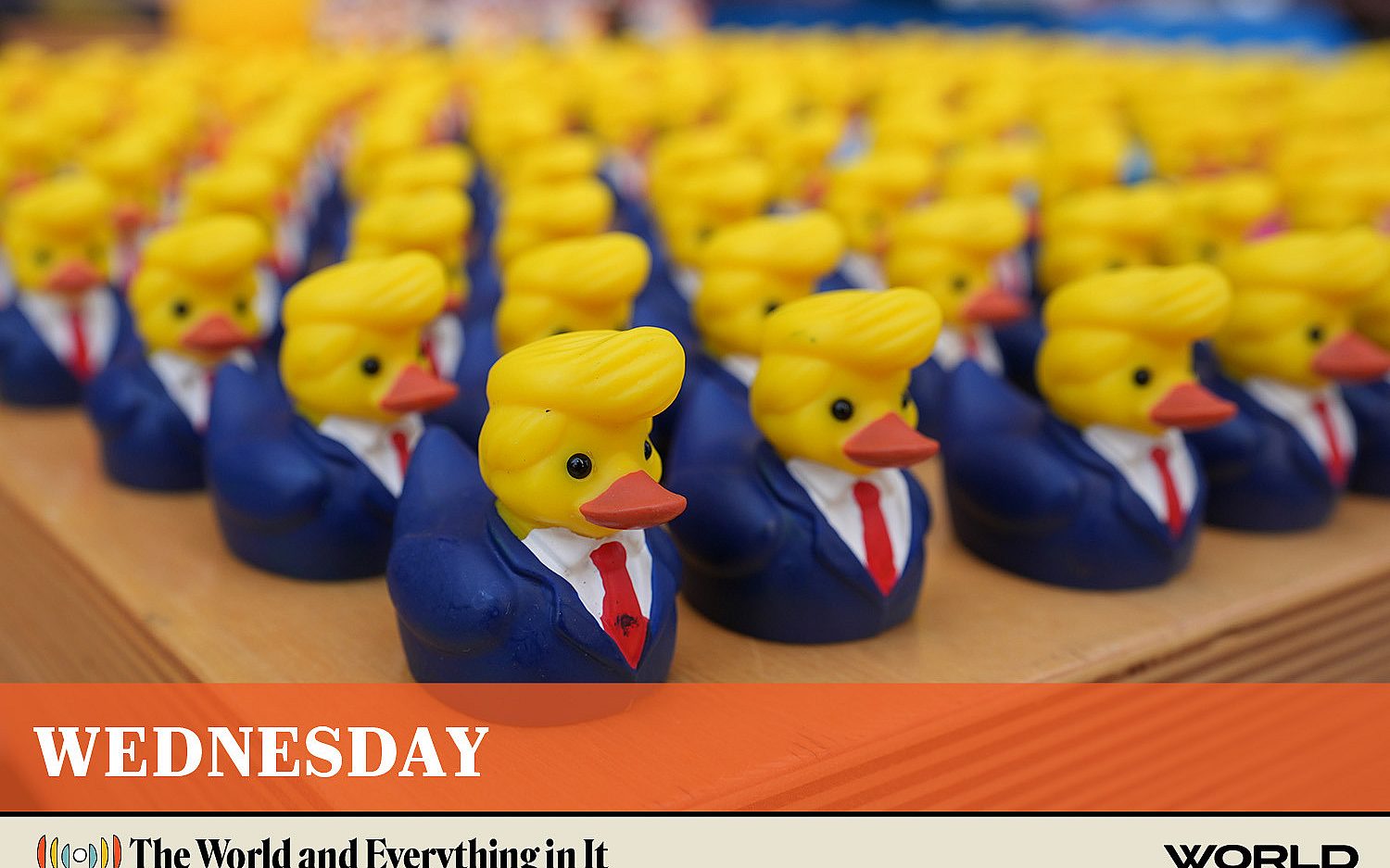
On Washington Wednesday, Hunter Baker weighs Republicans’ gamble to make the midterms feel like a Trump election. World Tour follows Britain’s speech laws from a Facebook video to 17 days in custody and a 17-minute acquittal. At the 9/11 Memorial, one sister makes the names personal, while Cal Thomas asks what a new generation must remember. Plus: a black bear walks into a fire station.
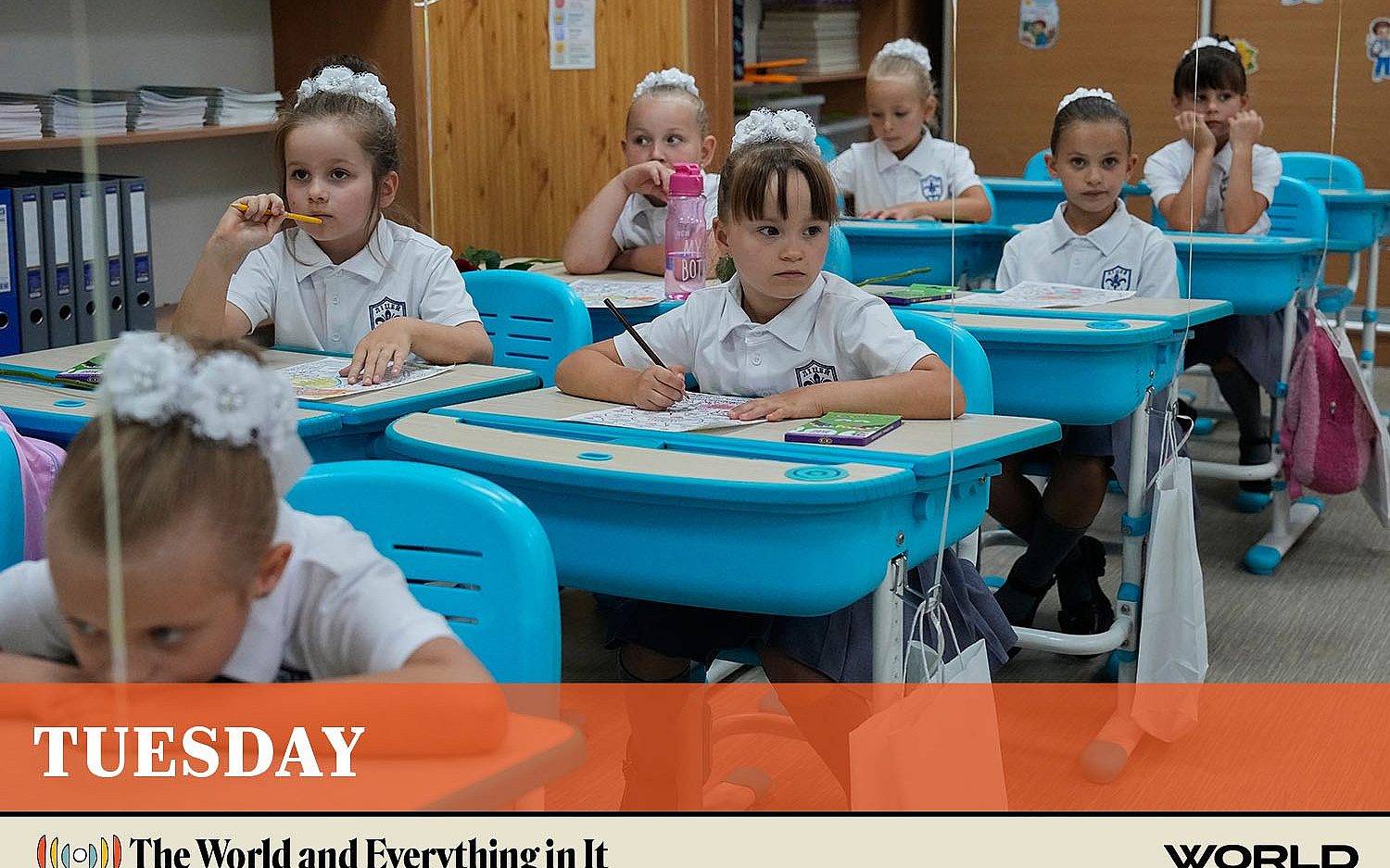
Ukrainians build classrooms Russia may destroy, while one rural Michigan paramedic works most of a 200-hour stretch. Frank Turek hears new questions after Charlie Kirk’s assassination, and Janie B. Cheaney traces the troubling turn of the “poster child.” Plus: California may chill fraud-busting journalism, and the Ig Nobels keep science weird.
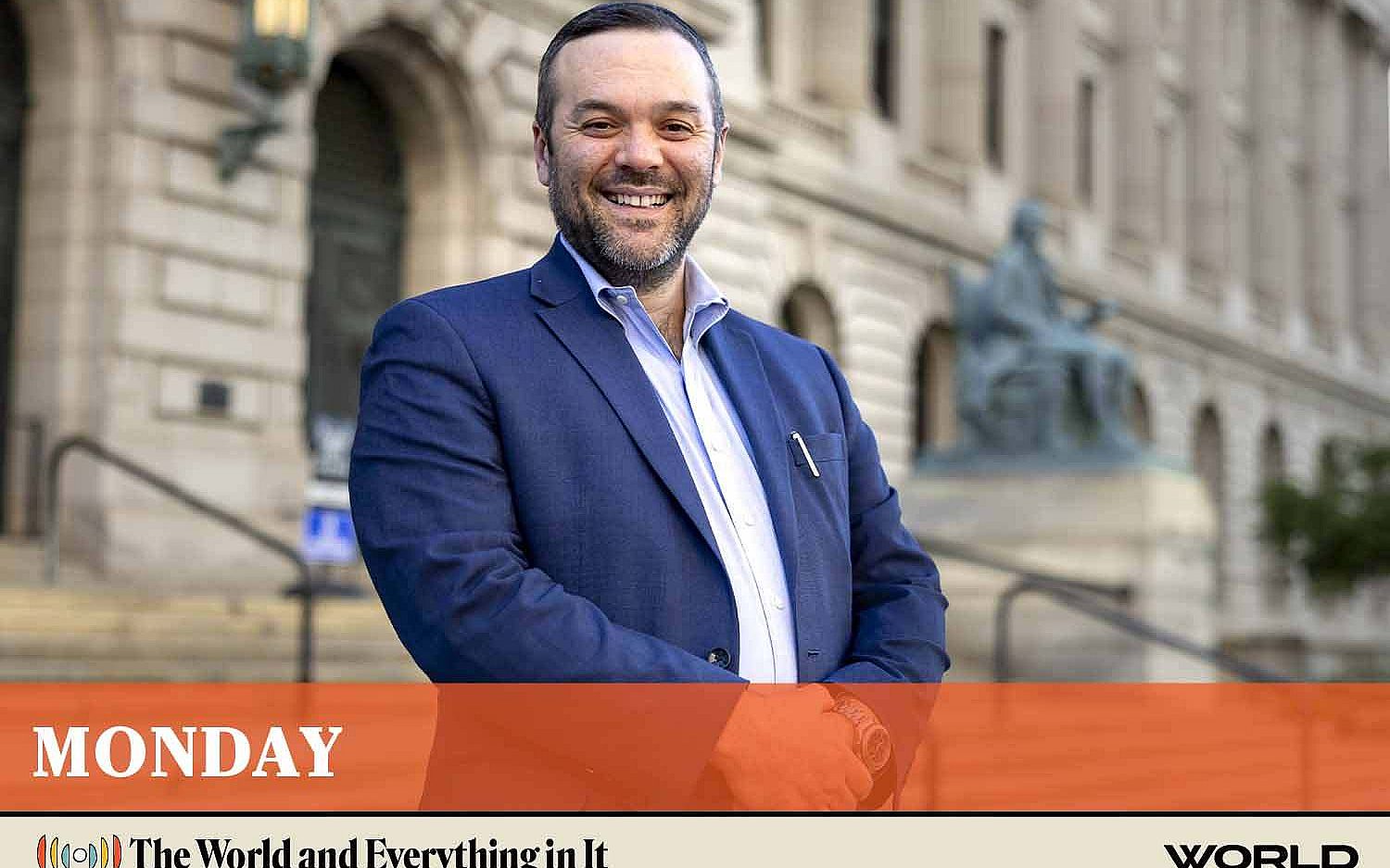
Legal Docket follows an Ohio homeowner who stopped gathering for Sabbath prayer after a city order—and lower courts said he still had more process to finish before he could sue. David Bahnsen’s Monday Moneybeat asks when AI’s staggering investment begins to pay and, on Labor Day, why work is rooted in the image of God. Plus: the WORLD History Book on the night Ed Sullivan’s “never” ran into Elvis.
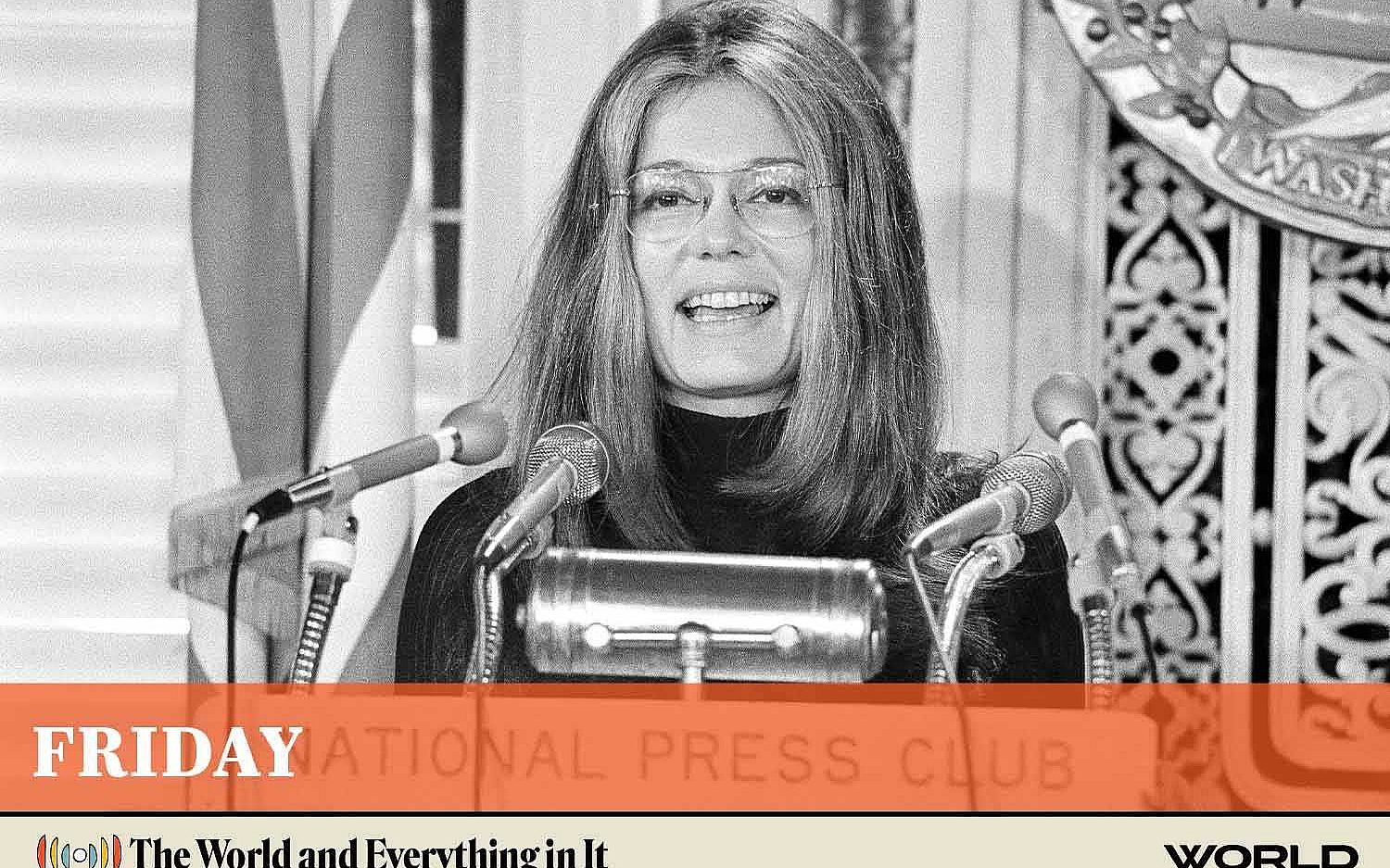
This week on Culture Friday, John Stonestreet moves from Gloria Steinem’s legacy and the baby bust to commercialized weddings. Also: half a century later, All the President’s Men keeps analog reporting gritty, and George Grant unpacks the unexpected evolution of everyday English—on Wordplay.
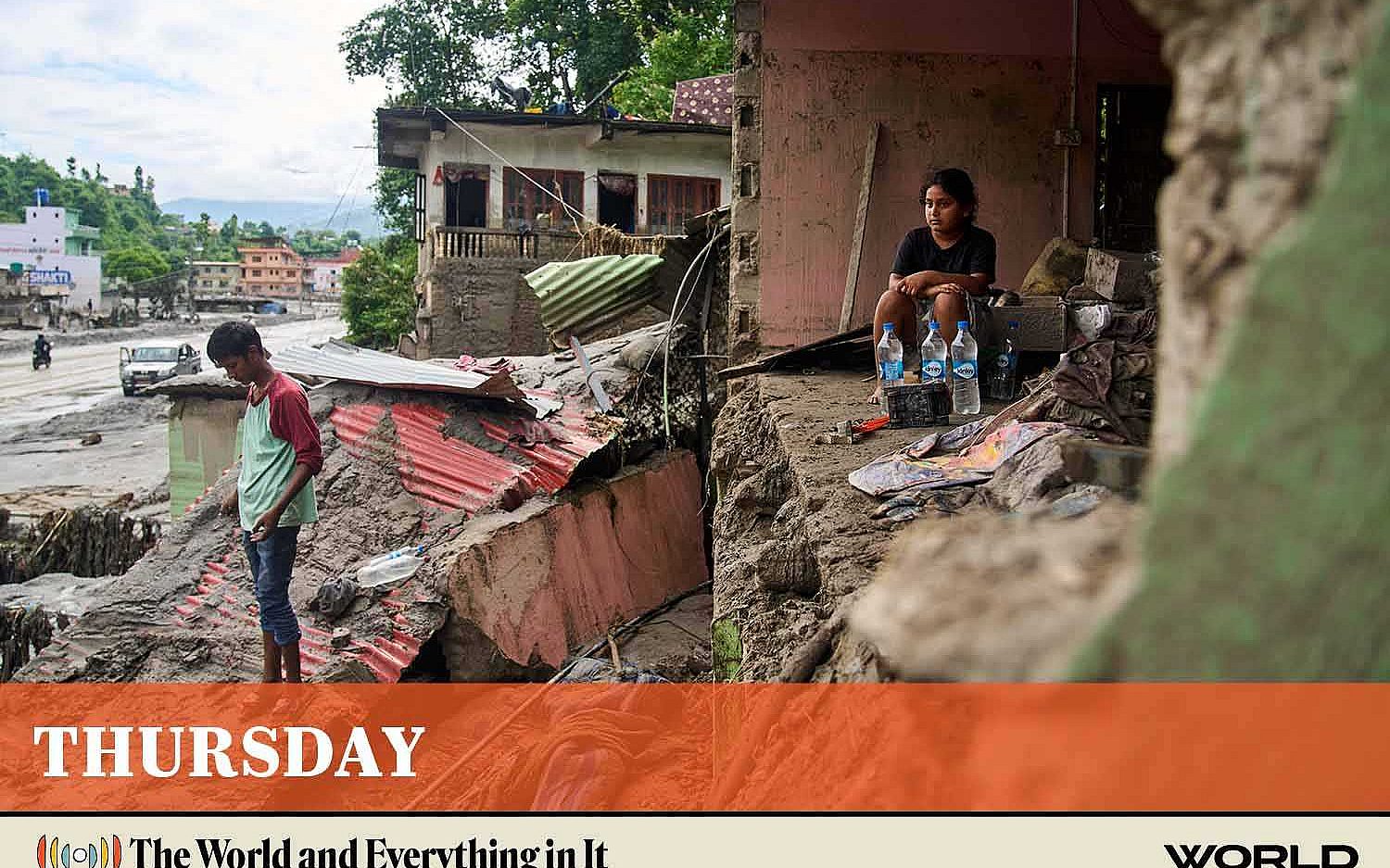
Collapsed roads strand thousands beyond easy reach in flood-ravaged Nepal, while a 25-year counterterrorism review asks whether America is ready for threats armed with drones and AI. A prenatal screen can raise life-and-death questions before diagnosis. Plus: an electrician spends six hours trapped inside a 130-foot truck-stop sign, musicians make joy from wind and steam, and Daniel Suhr considers the leverage behind Seattle’s narrowly averted teachers strike.
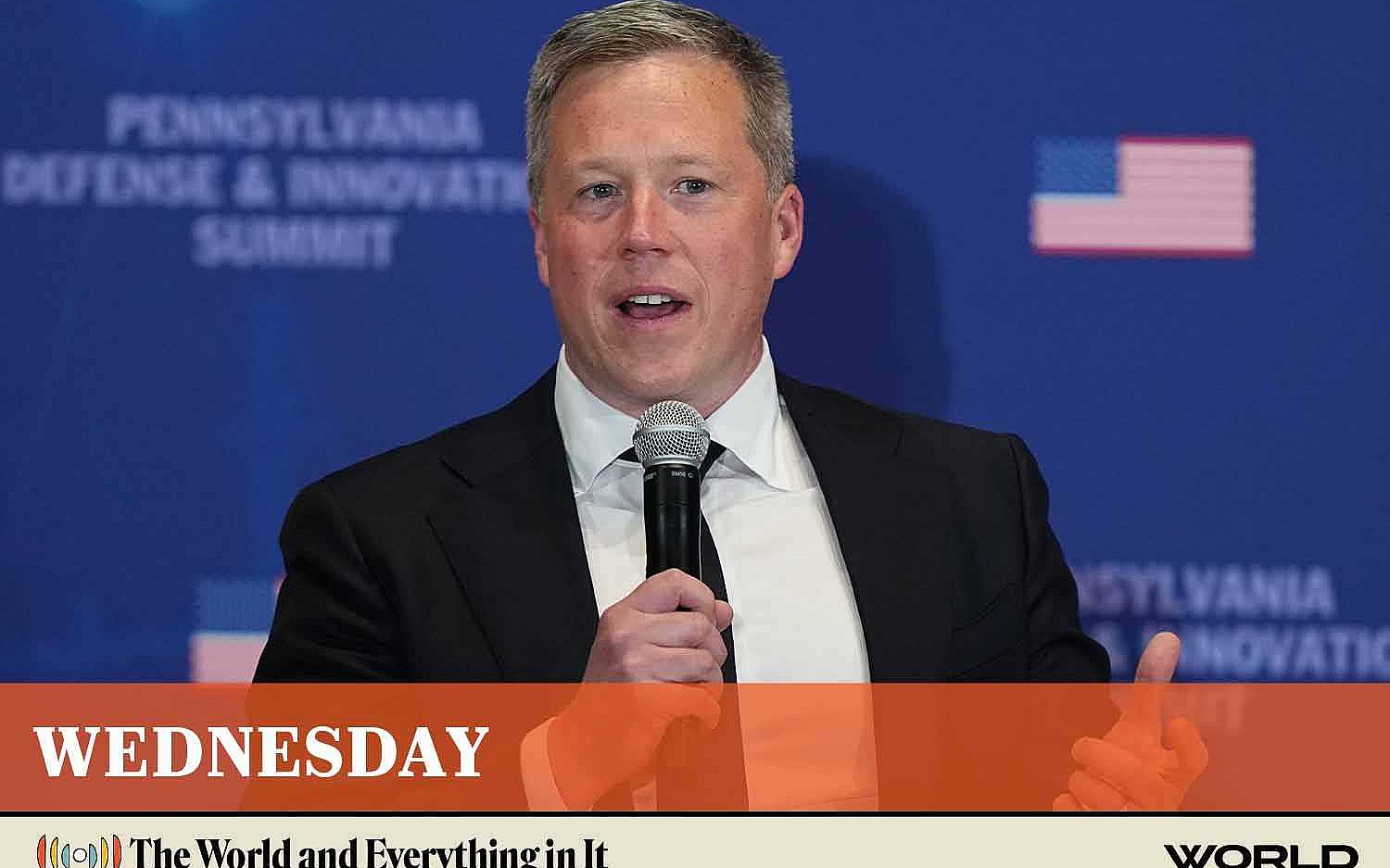
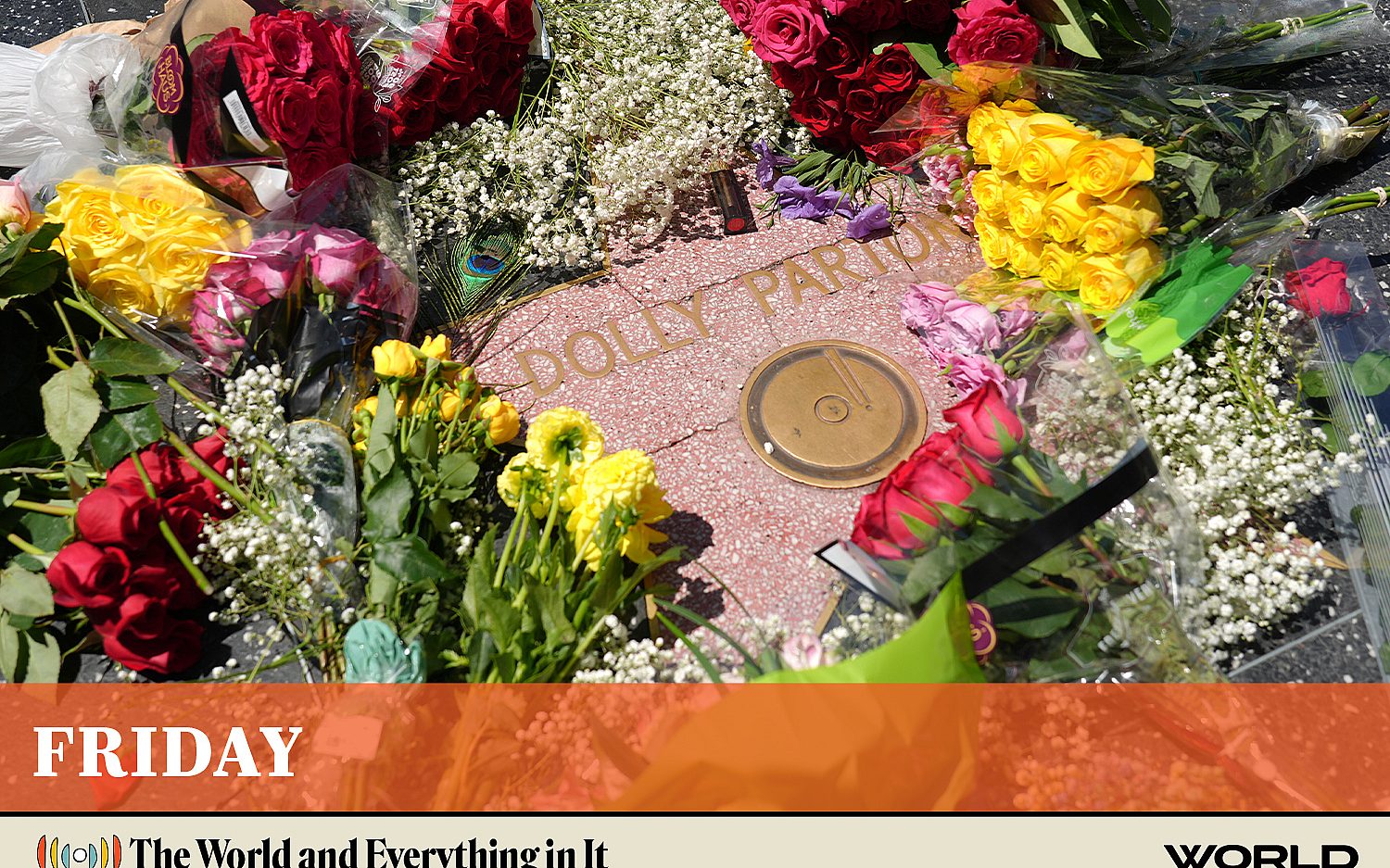
Hunter Baker has more Washington than Wednesday can hold: Pentagon upheaval, the politics of AI data centers, Social Security’s looming reckoning—and a lightning round besides. In Venezuela, an earthquake exposes a crisis years in the making, while Mary Muncy looks past Dolly Parton’s carefully built image to the faith and roots beneath it. Plus: cheaper raccoon permits, and Maria Baer on the friend who asks.
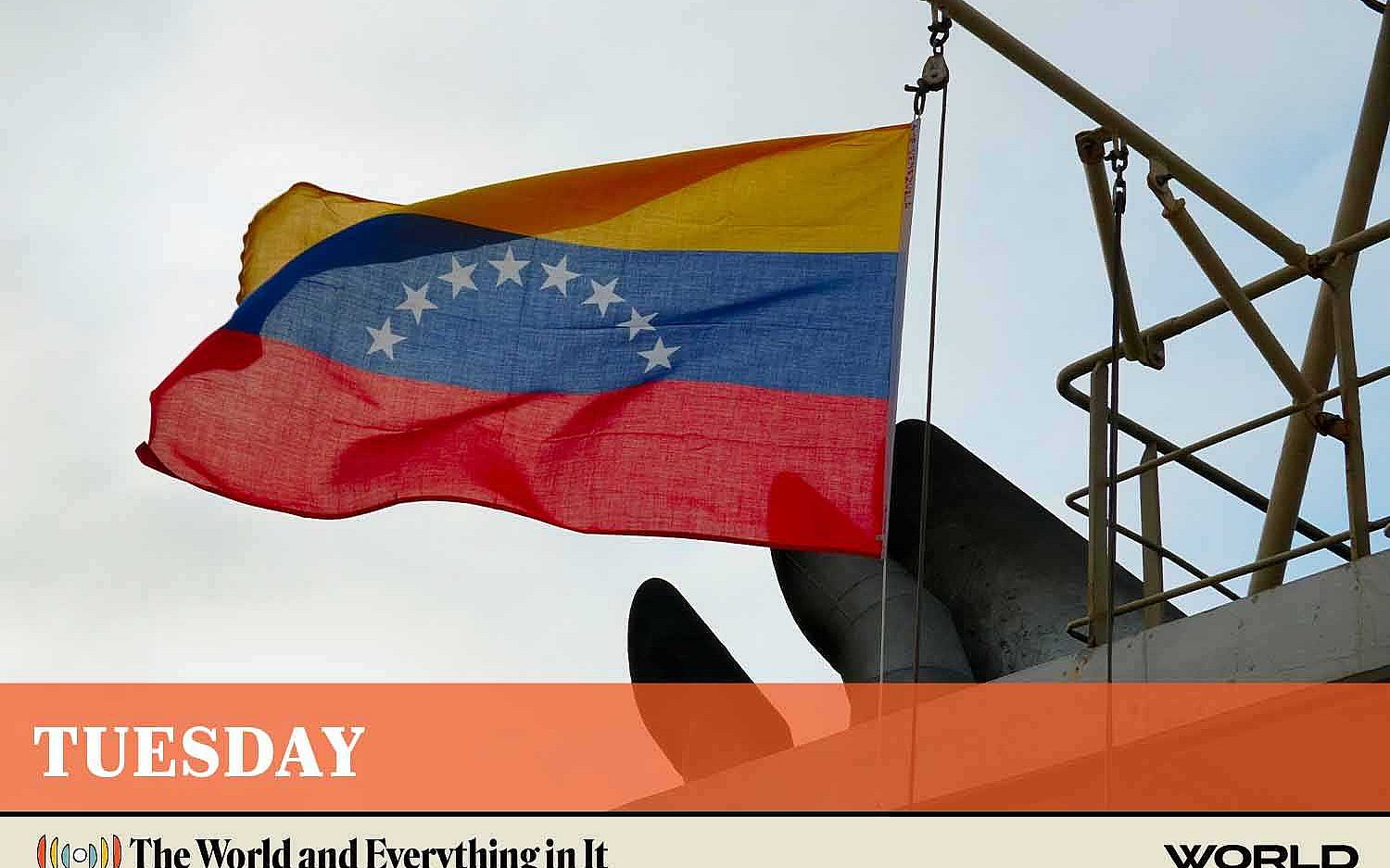
Venezuela makes a once-unimaginable turn toward American oil investment, privacy advocates propose “collective bargaining” for personal data, and Trump’s FDA nominee inherits a long-stalled review of the abortion pill. Plus: Where religion becomes rule, Cal Thomas on the test that caught his cancer, and a Vermont woman growing a dress so slowly the fashion trend may come back around.
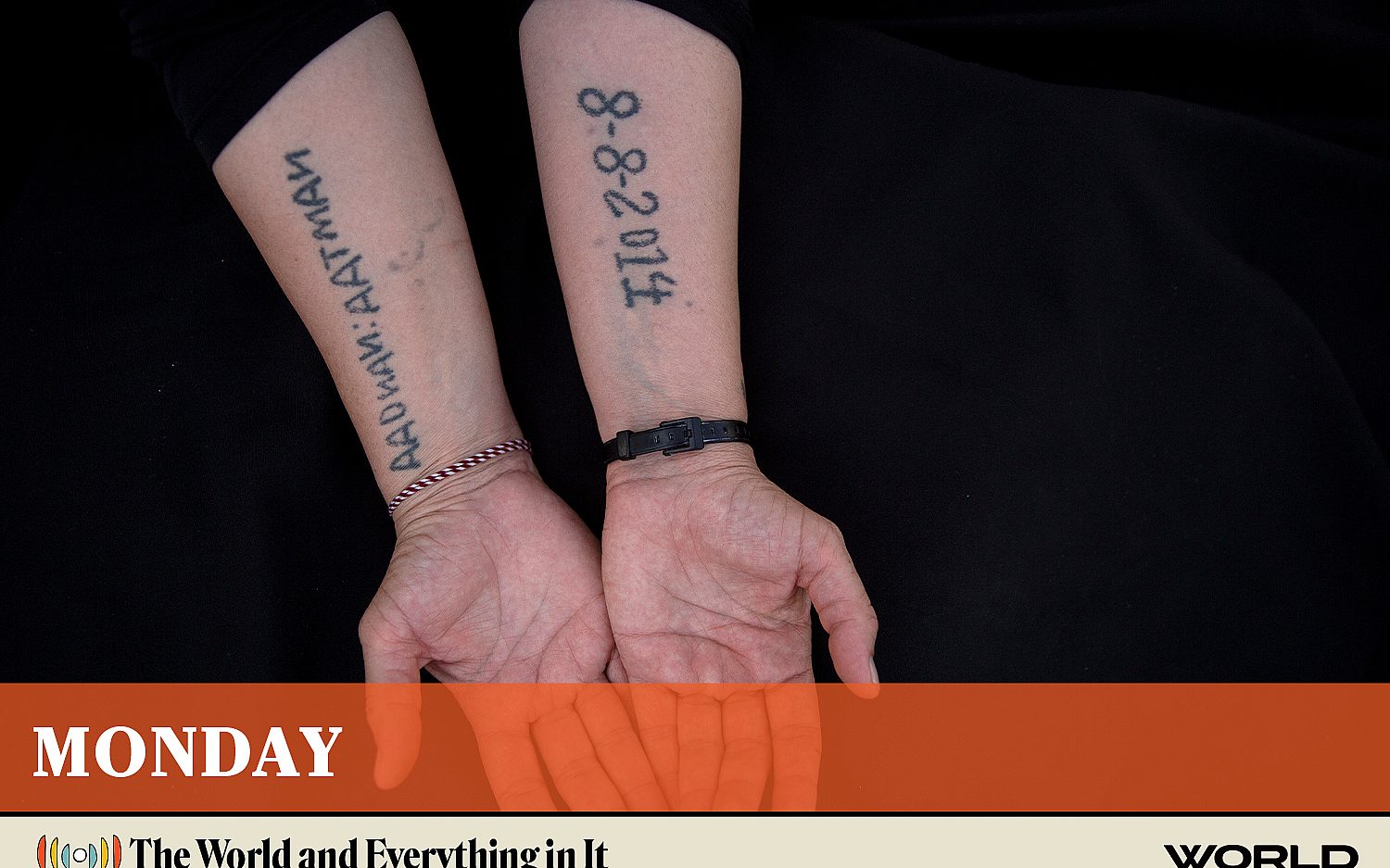
Previewing a Supreme Court clash over whether Colorado can require Catholic preschools to set aside religious standards for public funding even as secular providers tailor enrollment. New Fed Chairman Kevin Warsh on a quieter central bank. And Yazidi families are still searching for more than 2,000 missing since the ISIS genocide. Legal Docket, Moneybeat, WORLD History Book—and the morning news on this last Monday of August.
On Culture Friday, John Stonestreet considers what allowed Dolly Parton to rise above the political fray, why “no contact” is a poor substitute for honoring difficult parents, and the WNBA’s sudden need to define woman. Then Wile E. Coyote finally gets his day in court, and listeners tell us which WORLD stories and moments stayed with them.
Washington tightens the financial squeeze on Iran while keeping Gulf oil moving, and families devastated by crimes committed by illegal immigrants explain why enforcement feels personal. Congress tries to shrink Washington’s role in education, while VA cost-cutting forces one Vietnam veteran to start over. Plus: sushi goes sightseeing in Tokyo, and Daniel Suhr considers what Meta’s new safeguards can—and cannot—do for teens.