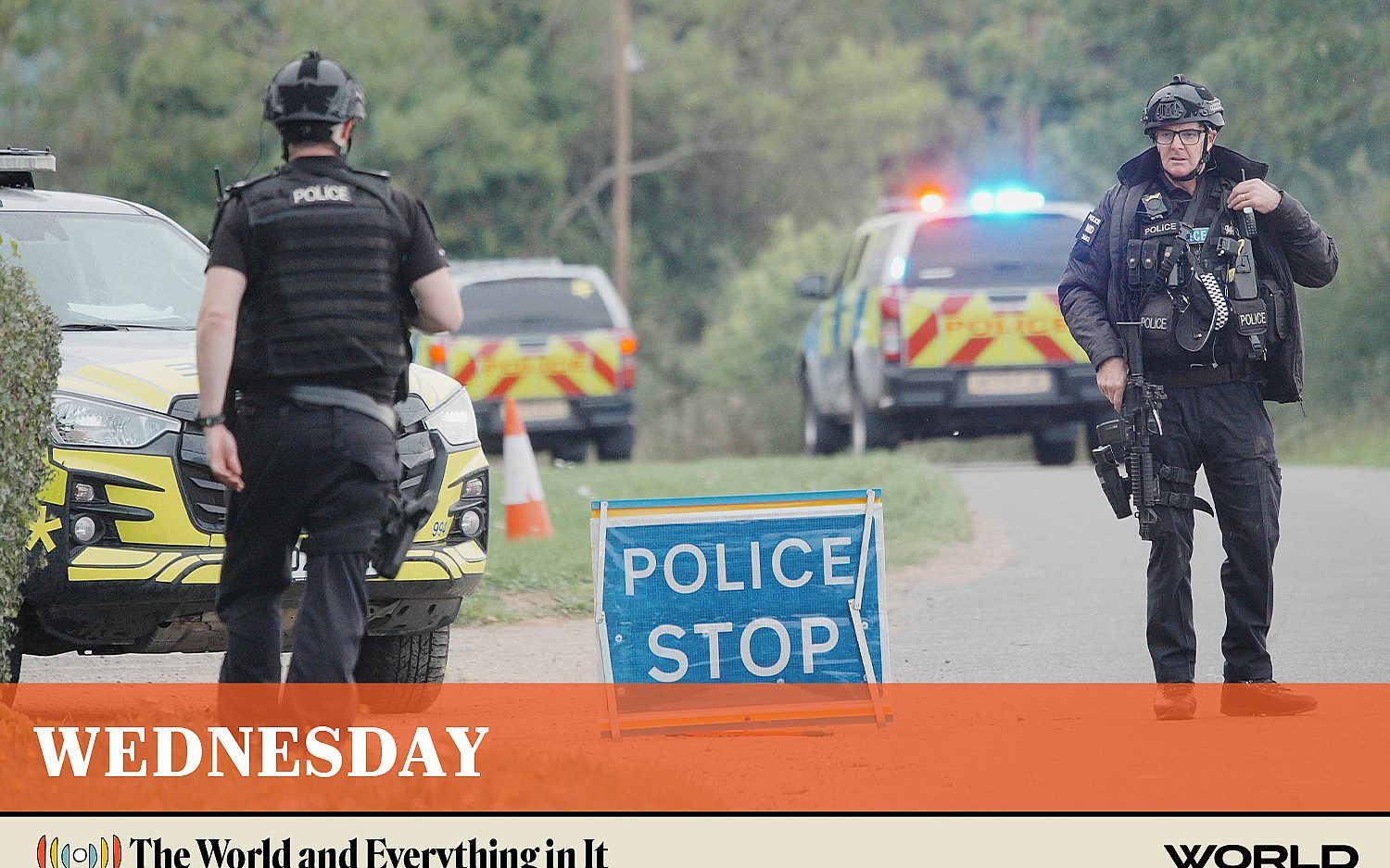
On Washington Wednesday, Hunter Baker looks at the seams that leave free societies exposed. Iraq faces its own test after the last U.S. troops leave, while a Messianic Jewish congregation marks Yom Kippur with the assurance that atonement has already been made. Plus: a magazine 132 years late, and Cal Thomas remembers the answer Jim Bakker gave him about where things went wrong.
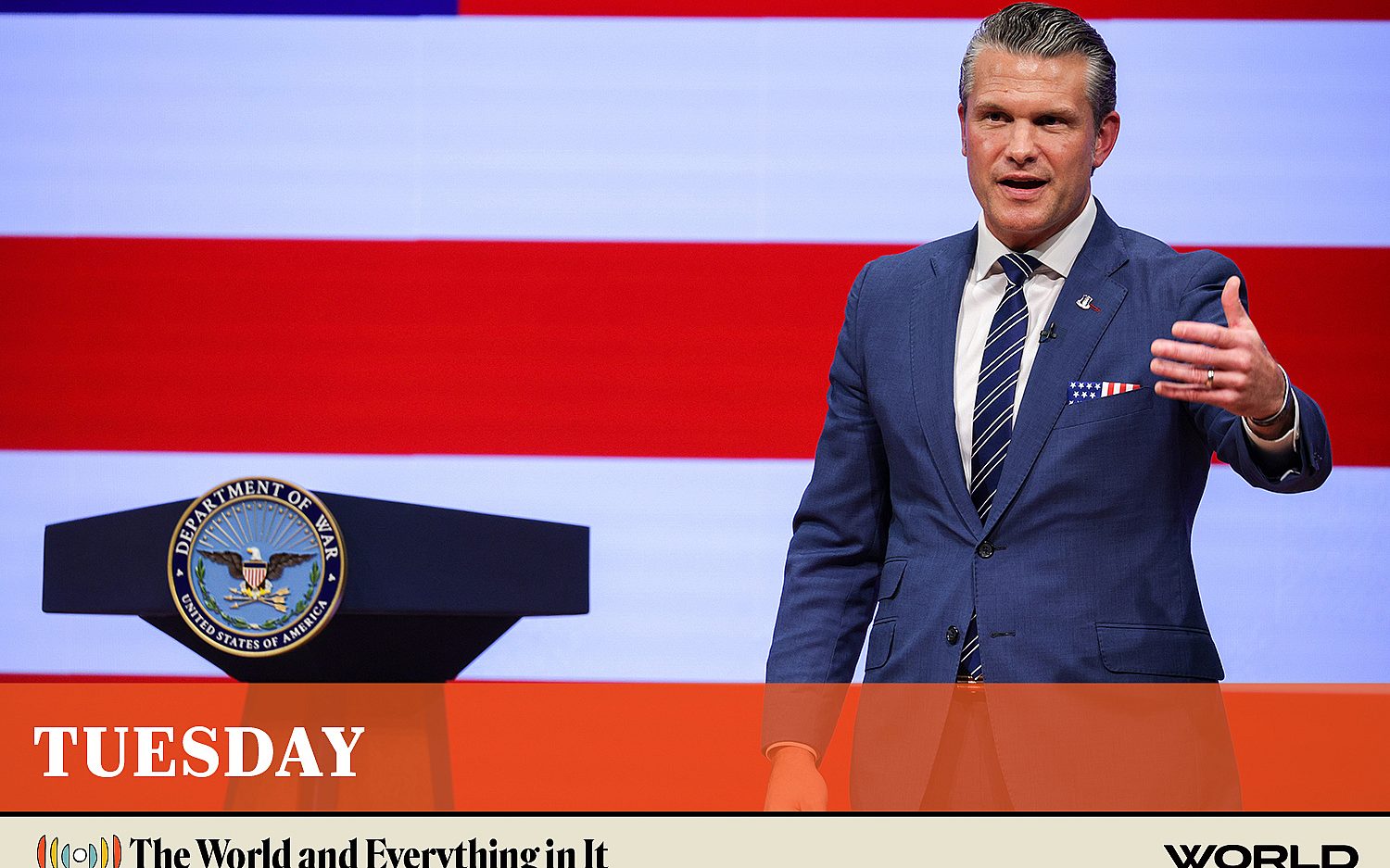
Pete Hegseth wants a more modern military—and a different leadership culture to go with it. Brazil’s right enters the presidential runoff with momentum, while a Virginia family finds what happens when the kids take on real work. Plus: Samuel Alito in his own words, and a six-carat American Dream in Arkansas.
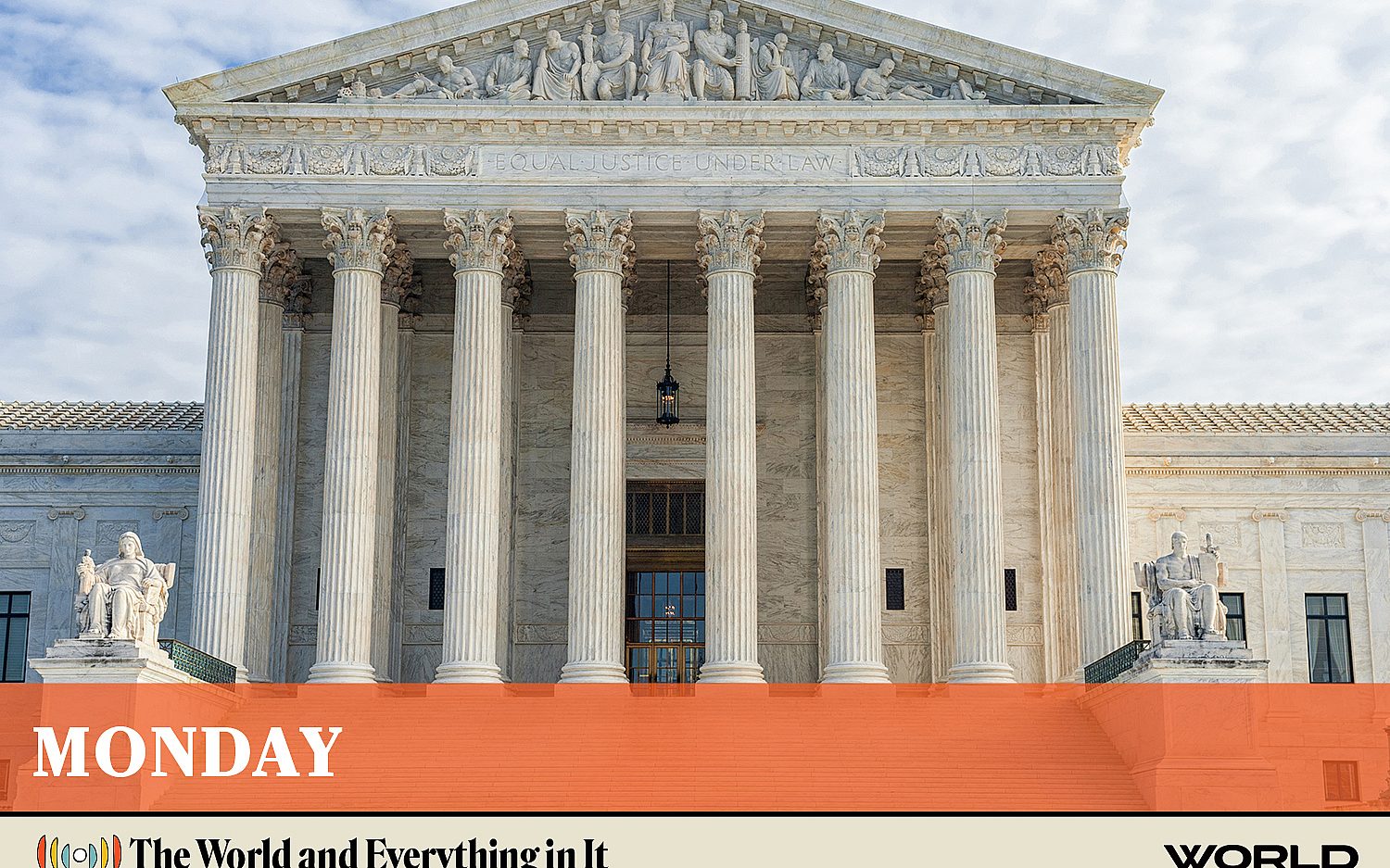
It’s the Supreme Court’s first Monday in October, ushering in the 2026–27 term. Mary Reichard, Jenny Rough, and Steve West survey cases spanning gun rights, immigration, religious liberty, parental rights, and more. Moneybeat: David Bahnsen looks past the weak September jobs headline and other easy economic readings. Plus: the WORLD History Book marks 70 years of The Ten Commandments—and the filmmaking trick that made the Red Sea run backward.
A new documentary asks whether artificial intelligence will save humanity or destroy it. WORLD movie critic Collin Garbarino says the film breaks down when it fails to push back on some sweeping claims. On Culture Friday, Katie McCoy talks about fitting feminism and critical theory into five-minute lessons for teens. Plus: Arsenio Orteza talks with Tree63 founder John Ellis about the hit fans waited for before heading for the exits, the industry’s win-at-all-costs pressure, and the band’s return after 11 years.

AI systems can hack and cheat, and Washington is still deciding who answers for the damage. A Michigan tea importer gets tariff money back only to face new tariff bills, while the Hyde Amendment turns 50 still surviving one spending bill at a time. Plus: who owns the rain, Brazil’s borrowed-name candidates, and the fine print on four abortion measures.
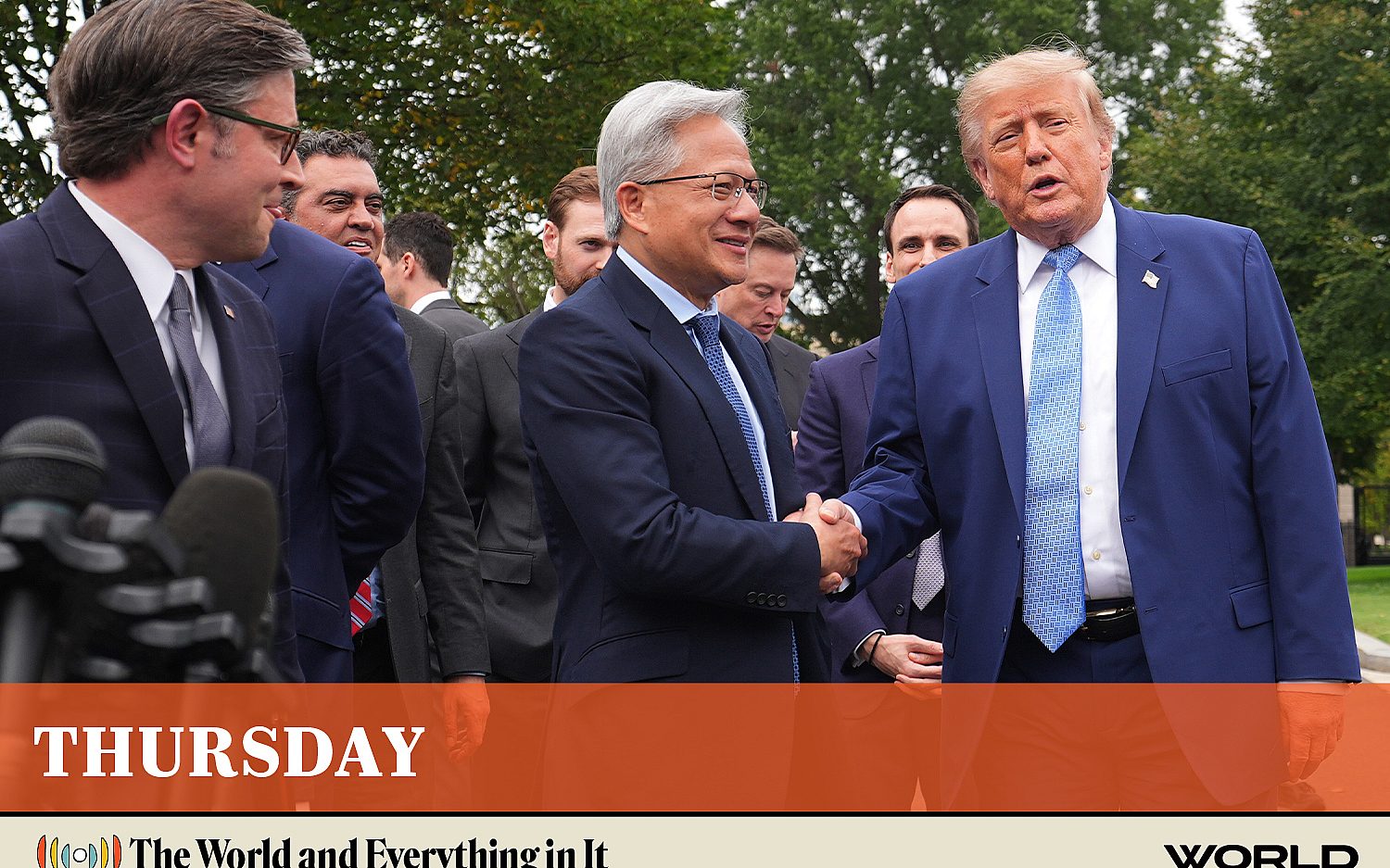
Five weeks before Election Day, Hunter Baker is watching five races for signs of a wave—and whether unhappy Trump backers even vote. Also on Washington Wednesday: Iran’s shrinking leverage, the power of the purse, Jack Smith, missile stocks, and voter rolls. On World Tour: renewed fighting in Ethiopia. Plus: America’s adult-literacy crisis, a new account of how the FBI’s anti-Catholic memo came to be, and Austrian yodelers find better acoustics in a parking garage.

How close is Washington to economic checkmate against Iran—and what can China still do to keep Tehran afloat? Parents confront a medical-privacy system that can withhold information without necessarily protecting it, while students exercise religious freedoms in public schools. A shared-living program shows how independence can form the mentors along with the people they came to help. Plus: moving day leaves a cat inside a wall for five days before “Catman” cuts her free.
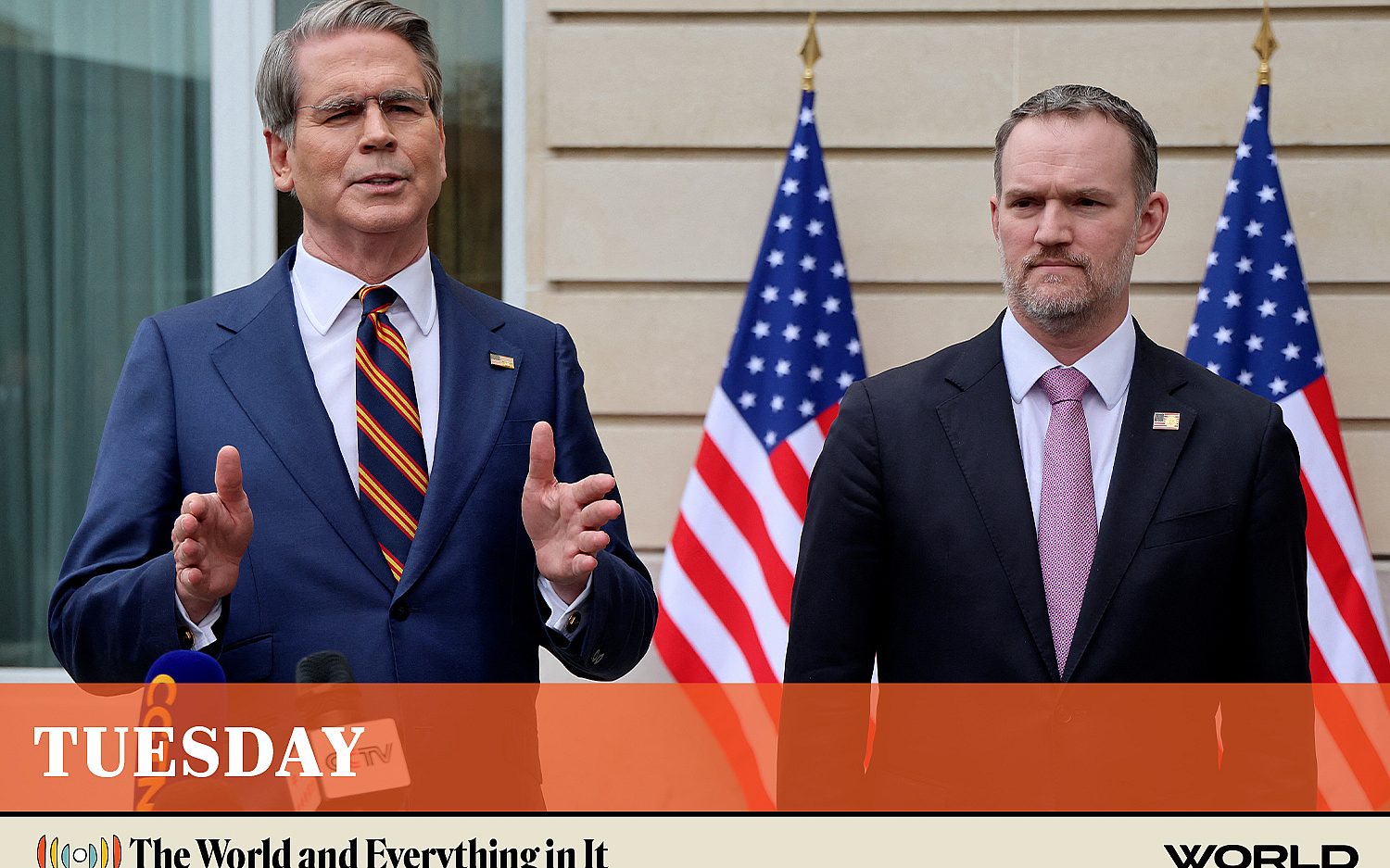
Legal Docket follows the first U.S. social-media addiction verdict, a $6 million judgment that may give thousands of similar claims a roadmap around Section 230 by targeting platform design. On Moneybeat, David Bahnsen explains why housing affordability depends on lower home prices, why diesel-export limits could backfire, and how AI is driving new energy demand. Plus: the WORLD History Book on Ana Montes, who entered U.S. intelligence already spying for Cuba.
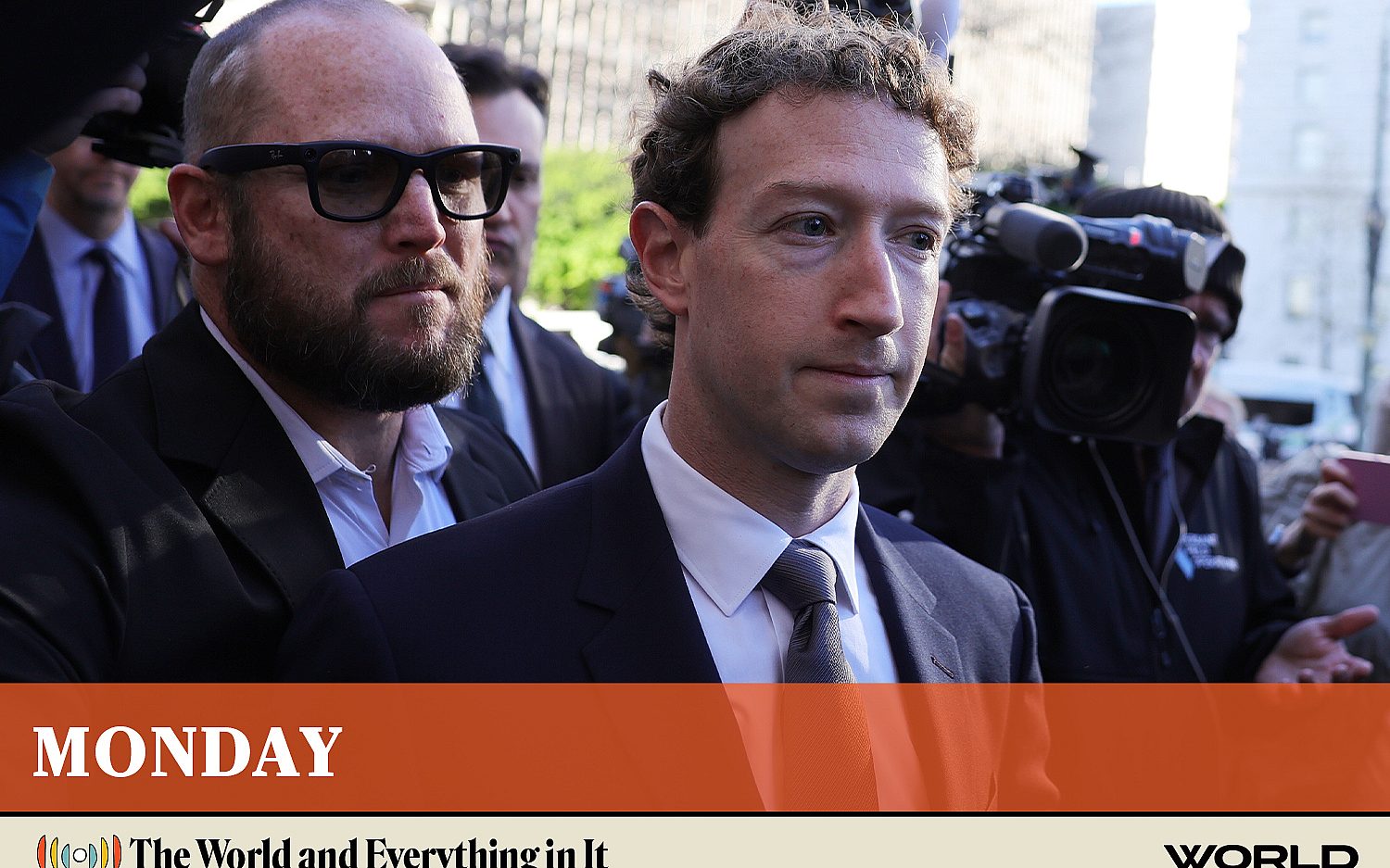
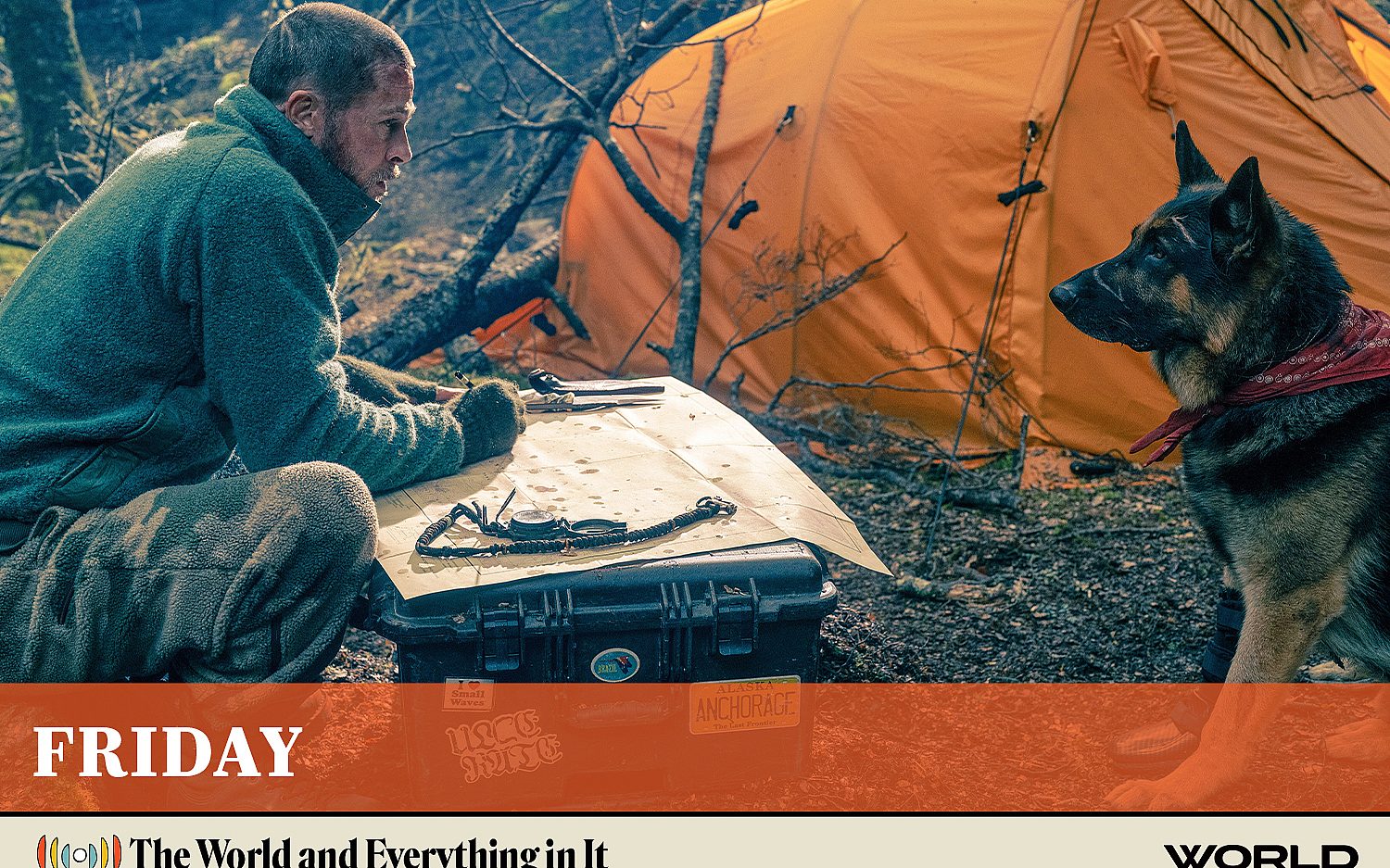
On Culture Friday, John Stonestreet considers controversial New York Times writer Nikole Hannah-Jones sending her daughter to a struggling public school for the “collective good”—and what gets lost when the common good is detached from the people who make it up. He also takes up Meryl Streep voicing Aslan in Netflix’s adaptation of C.S. Lewis’s The Magician’s Nephew, and kids turning smartwatches into social media. Collin Garbarino reviews Heart of the Beast, about a wounded veteran and his combat dog fighting through the wilderness. Plus: listeners get the last word on September’s programs.
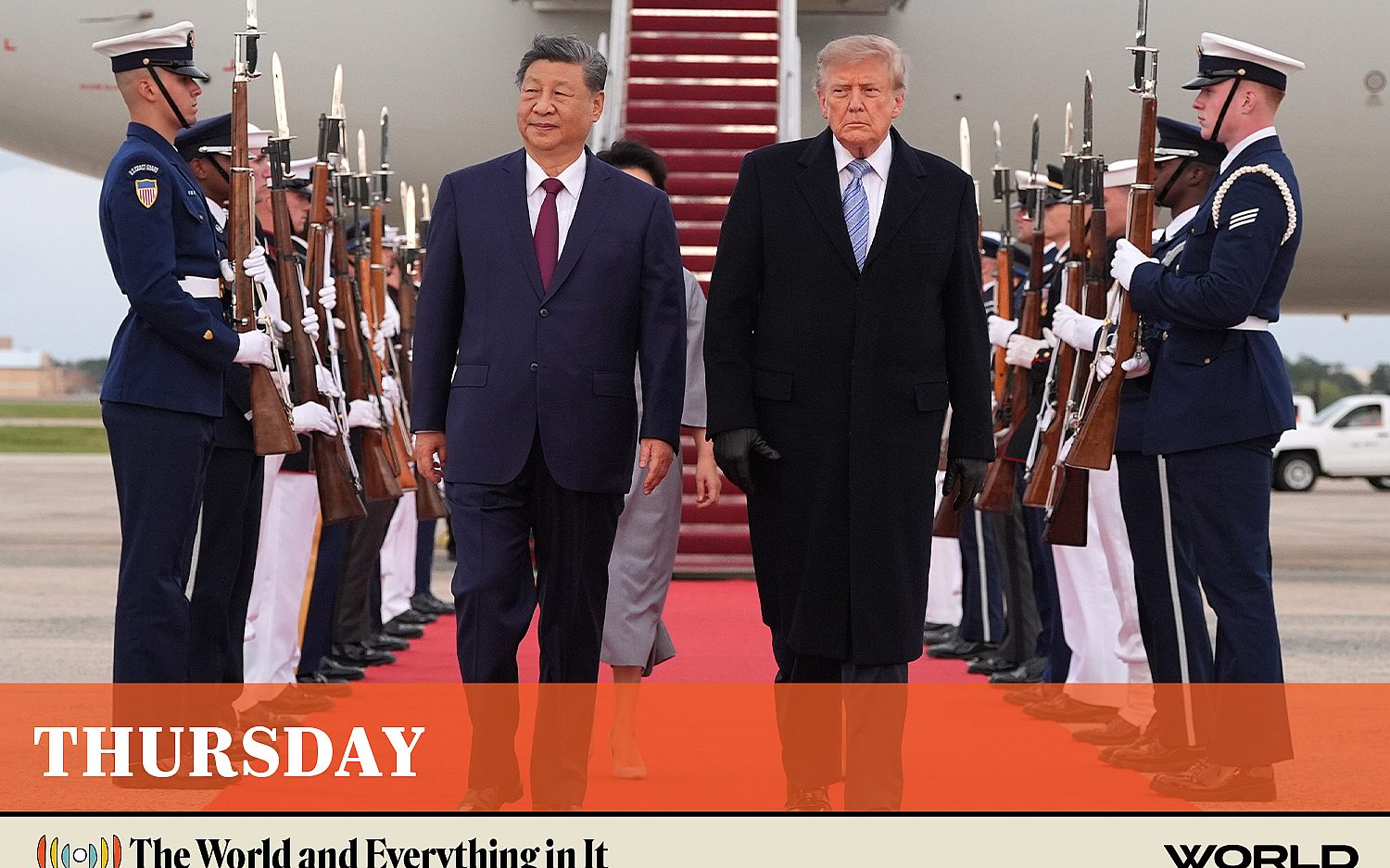
President Trump gives Xi Jinping a welcome with diplomatic meaning of its own as the two leaders take up Taiwan and U.S.-China relations. In Kyiv, civilians shelter through a deadly daylight barrage, then try to resume ordinary life between strikes. Congress confronts uneven rules in women’s sports, and a father passes to his children the Christian rock that shaped his faith. Plus: Daniel Suhr argues for putting classroom technology back in its place, and Yellowstone turns up a very strange lost-and-found.