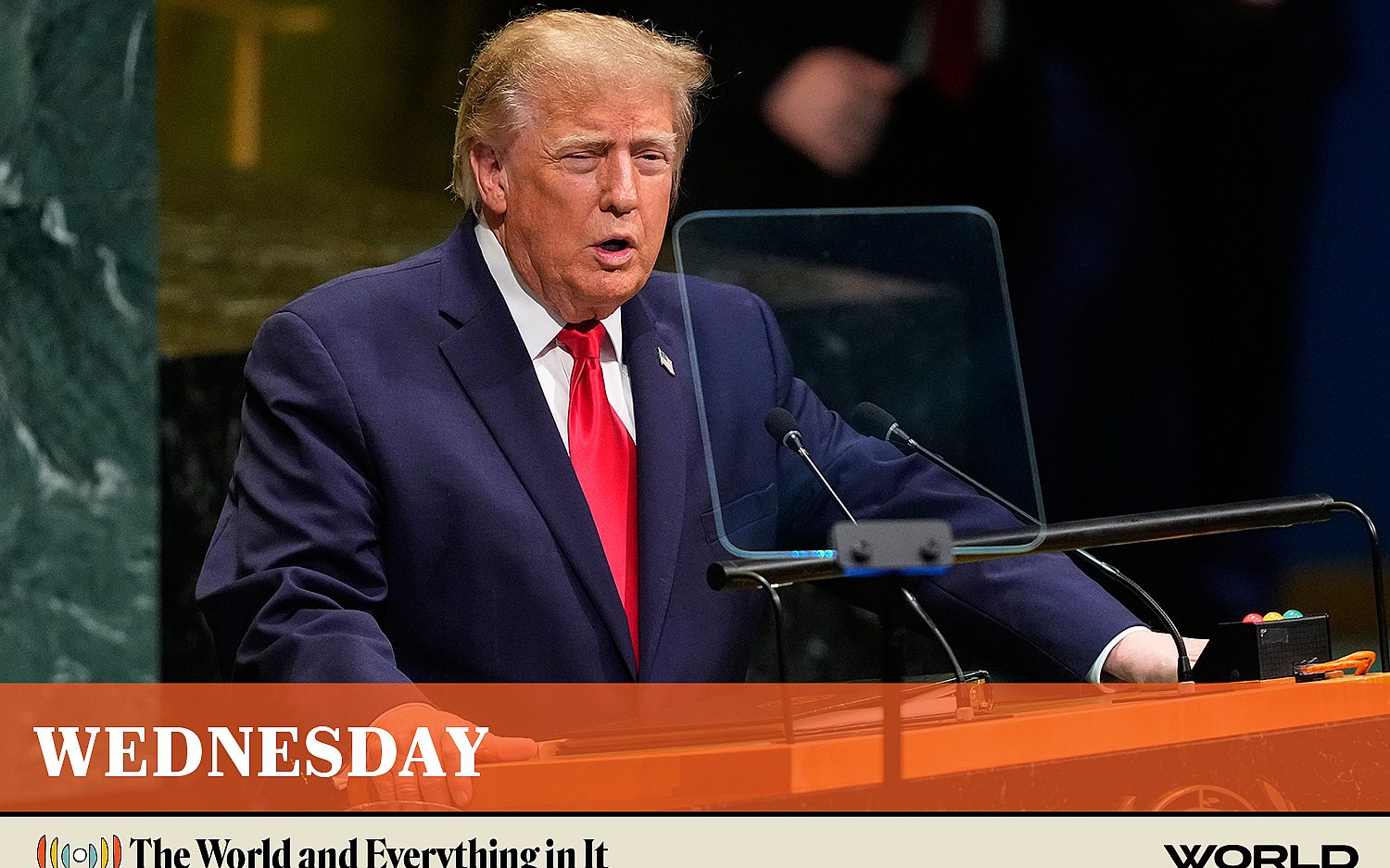
On Washington Wednesday, Hunter Baker considers whether President Trump’s use of American power adds up to a governing principle, what Xi Jinping wants from Washington on Taiwan, and whether campaign money still moves voters. In Nepal, flood survivors remain suspended between loss and rebuilding. Plus: an Illinois worm farmer finds value where he least expected it, Fat Bear Week rewards excess, and Janie B. Cheaney reflects on hymns that still carry hope through dark times.
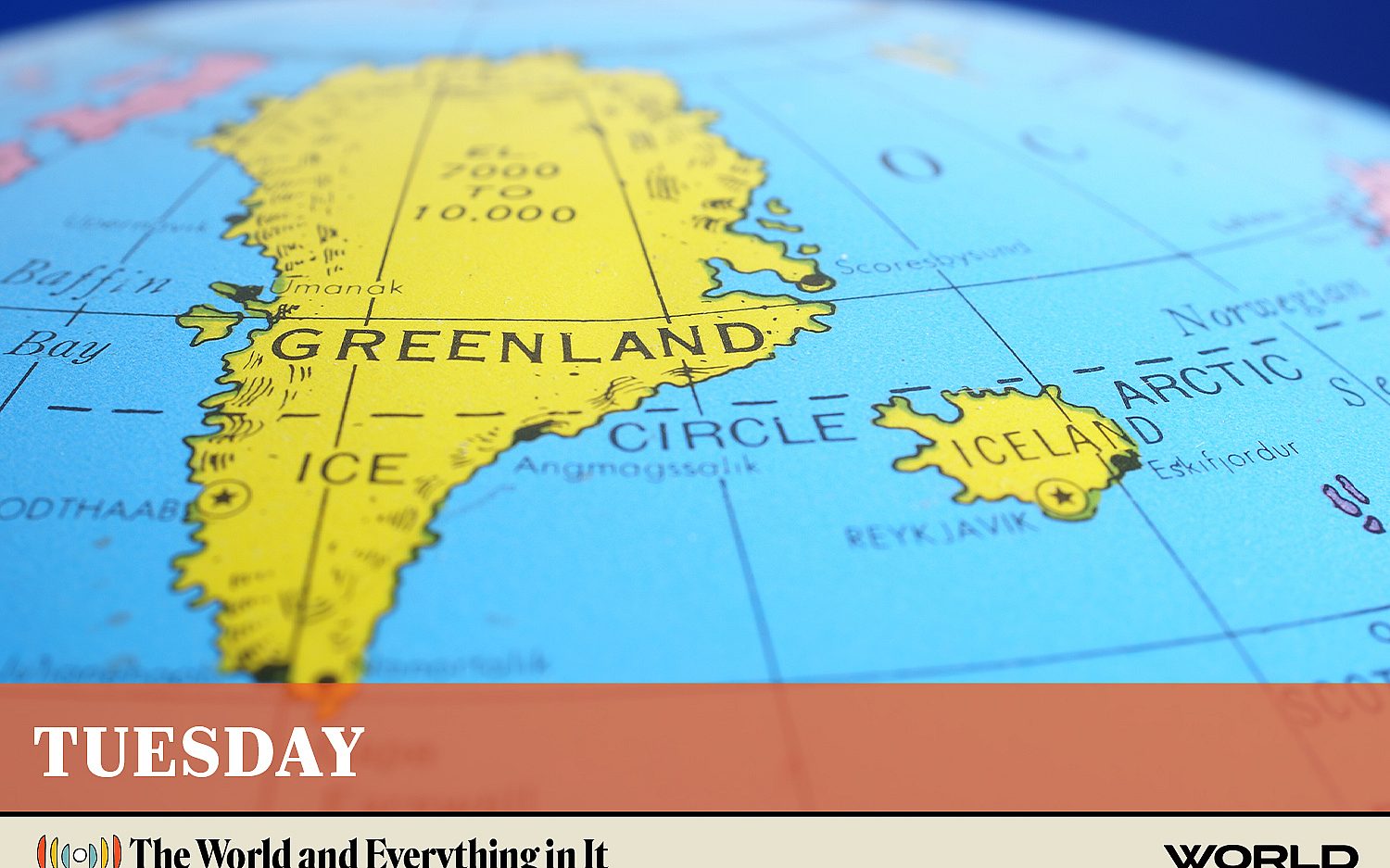
President Trump’s Greenland deal expands America’s longtime foothold there, while affordability politics runs into the limits of what government can do about prices. Sen. Ron Johnson says key COVID-era records may already be gone, and a rebuilt cog railway climbs toward “America the Beautiful.” Plus: raccoons train for the wild, and Cal Thomas defends the friction of a free press.
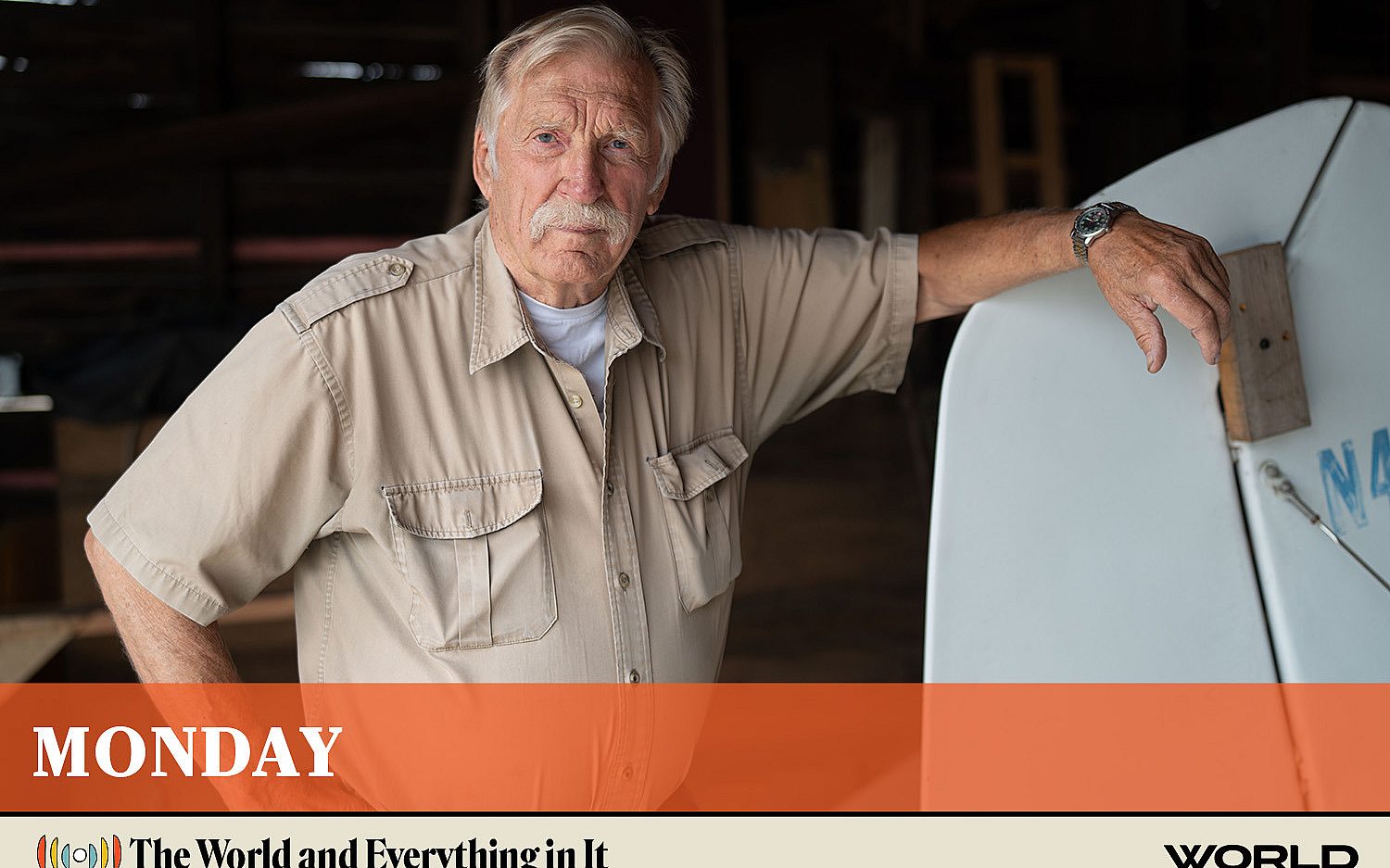
Legal Docket follows an Alaska bush pilot whose passenger’s load of beer led the state to seize the airplane he used to make his living. The Supreme Court will decide what the Eighth Amendment requires when punishment becomes a forfeiture. David Bahnsen explains why the Fed’s rate hike mostly caught up with markets already tightening. Plus: the WORLD History Book on turning Article III’s sketch into a working judiciary.
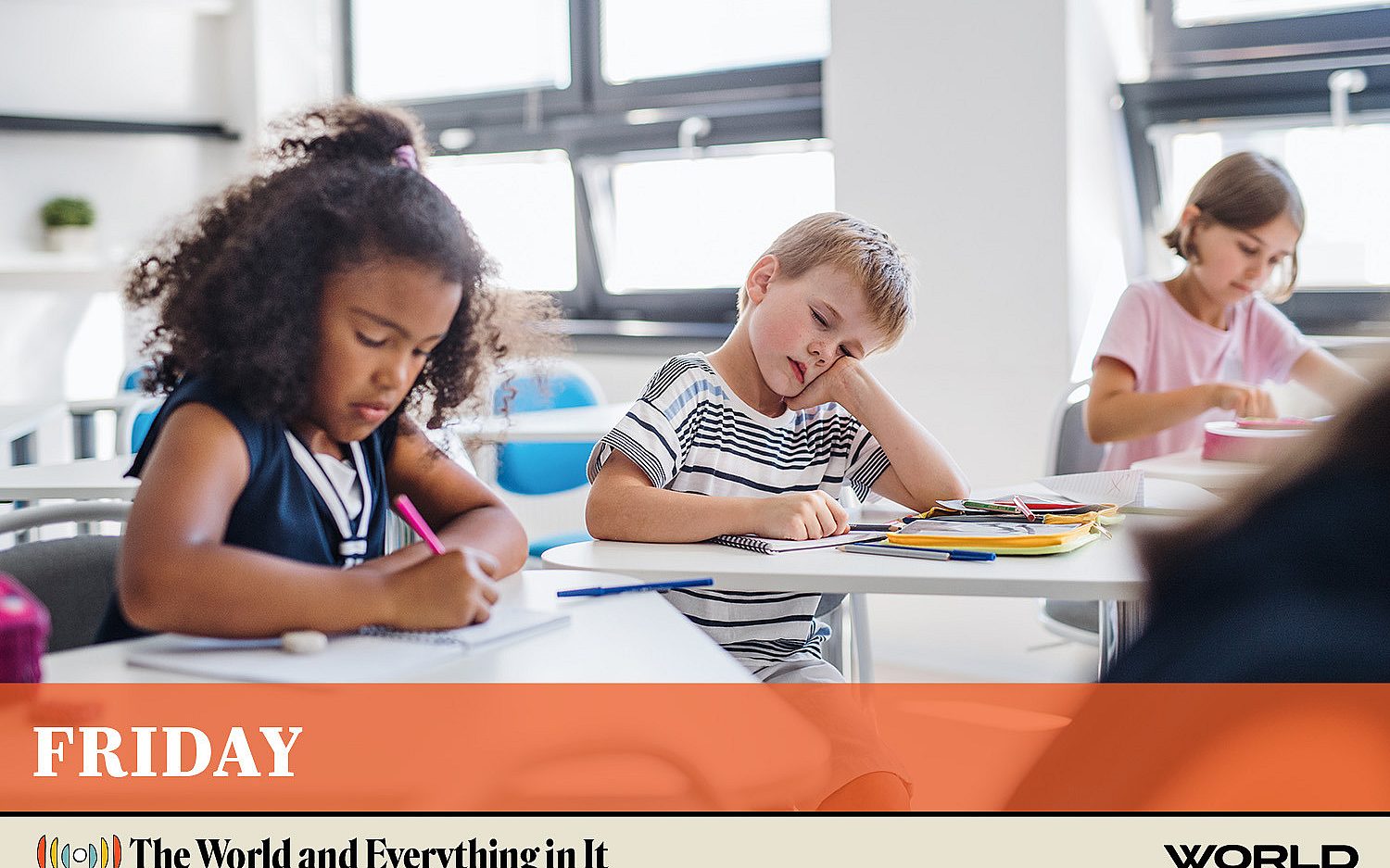
Culture Friday asks what happens when childhood is run past its limits—from caffeine-fueled exhaustion to education that tries to engineer the struggle out of learning. John Stonestreet also takes on cultural contradictions over the body and Islamism. Steve Limkeman returns to Middle-earth 25 years later to ask why its wonder still enlarges the real world. Plus: George Grant meets late-blooming reader Scotty Smith, who says books became “a radical gift in my life.”
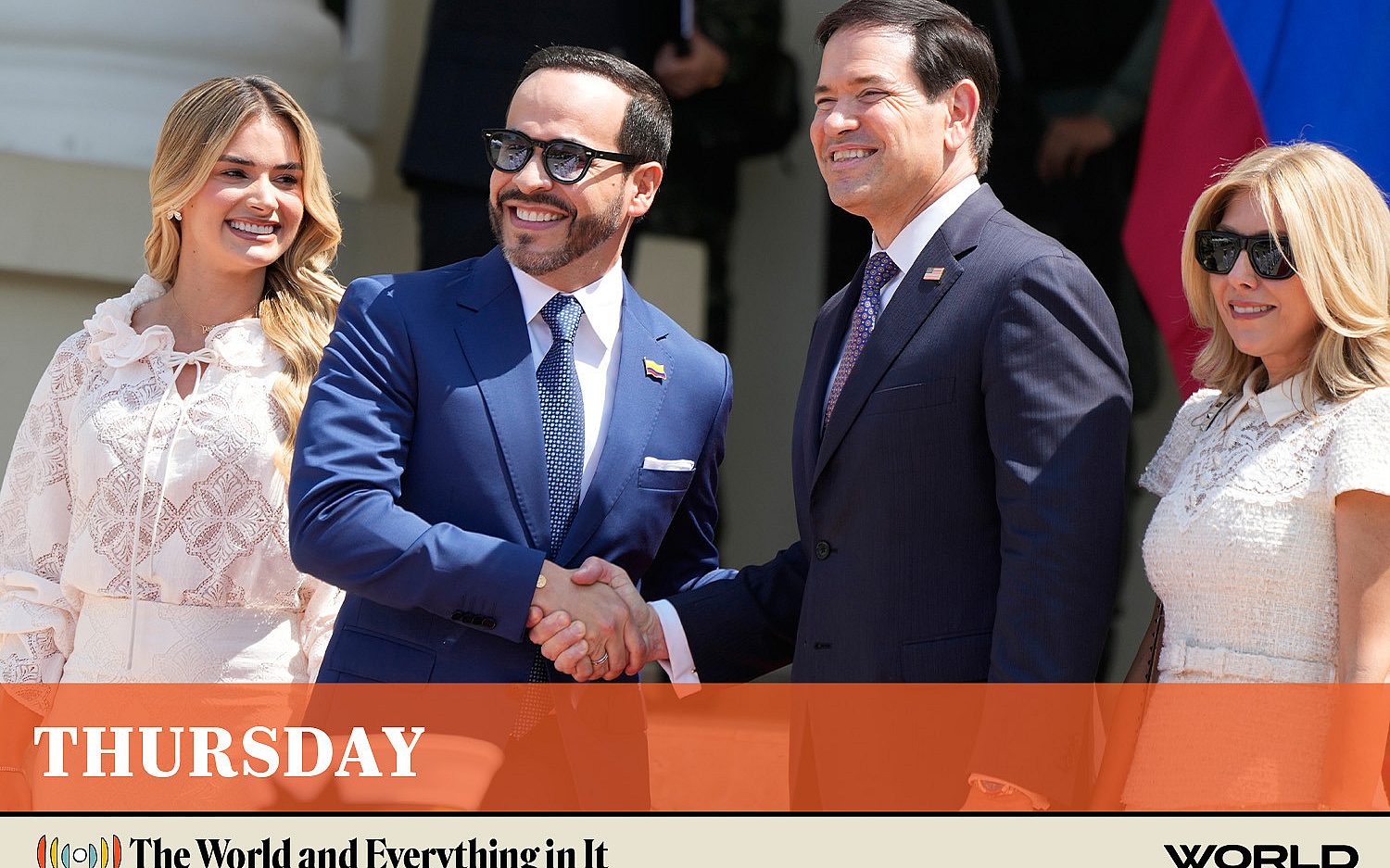
Secretary of State Marco Rubio finds receptive partners in Latin America but a harder economic sell against China, while the sharp drop in SNAP enrollment tests whether tougher work rules are working. Lauren Smyth explores terminal lucidity, the mysterious return of clarity sometimes seen among the dying, and Maria Baer finds movies, musicals, and handstands opening American history to children. Plus: a snake rides the hood, and David Closson traces the arguments behind Britain’s assisted-suicide reversal.
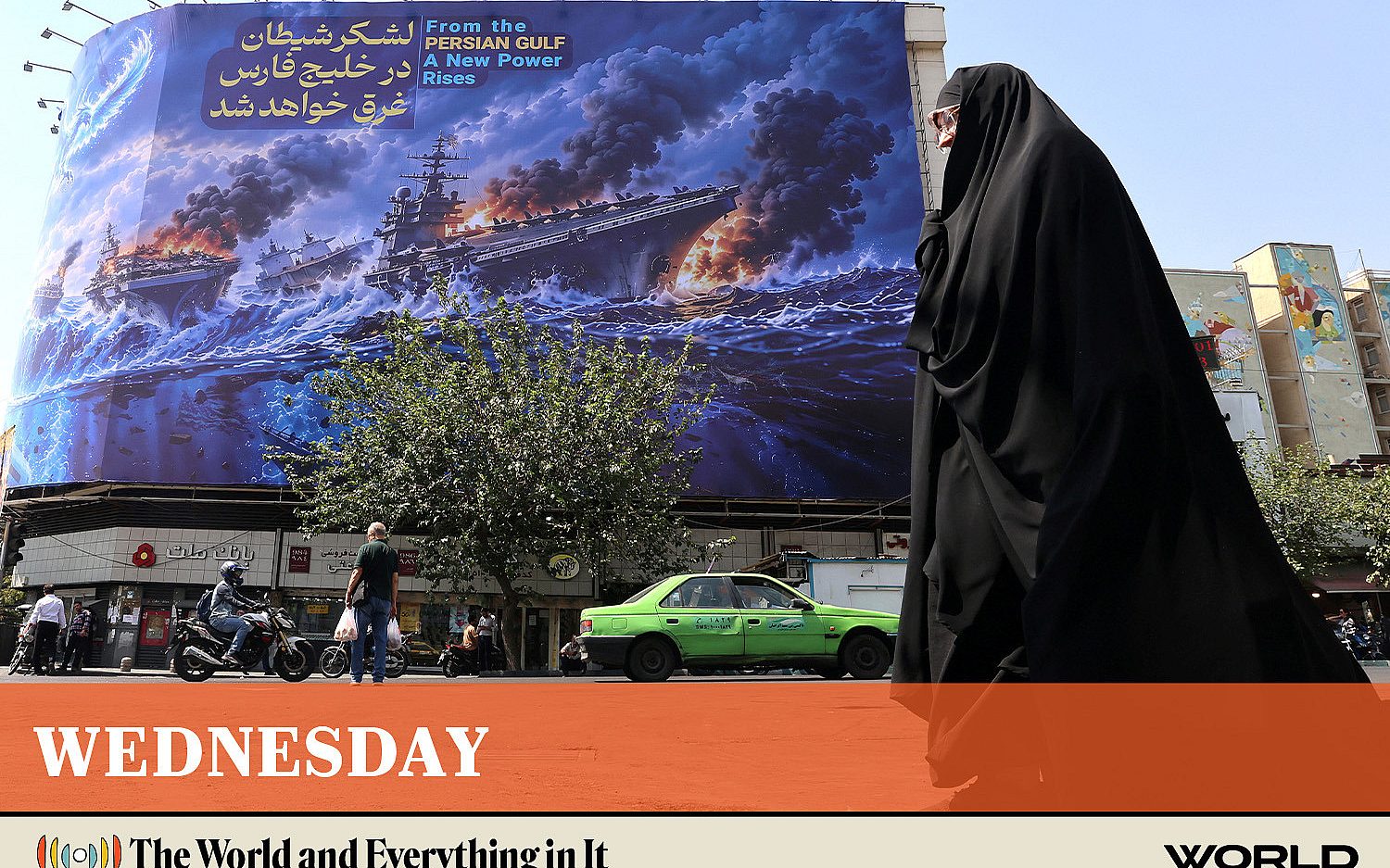
On Washington Wednesday: the U.S. tests the limits of leverage as the Iran war drags on, AI guardrails raise questions about competition, and Canada looks harder toward Europe. In Germany, the election winner may still remain outside government, while Maria Baer lets her children make America’s story their own. Plus: an emu makes a break for freedom, and Cal Thomas considers how to keep powerful tools in their proper place.
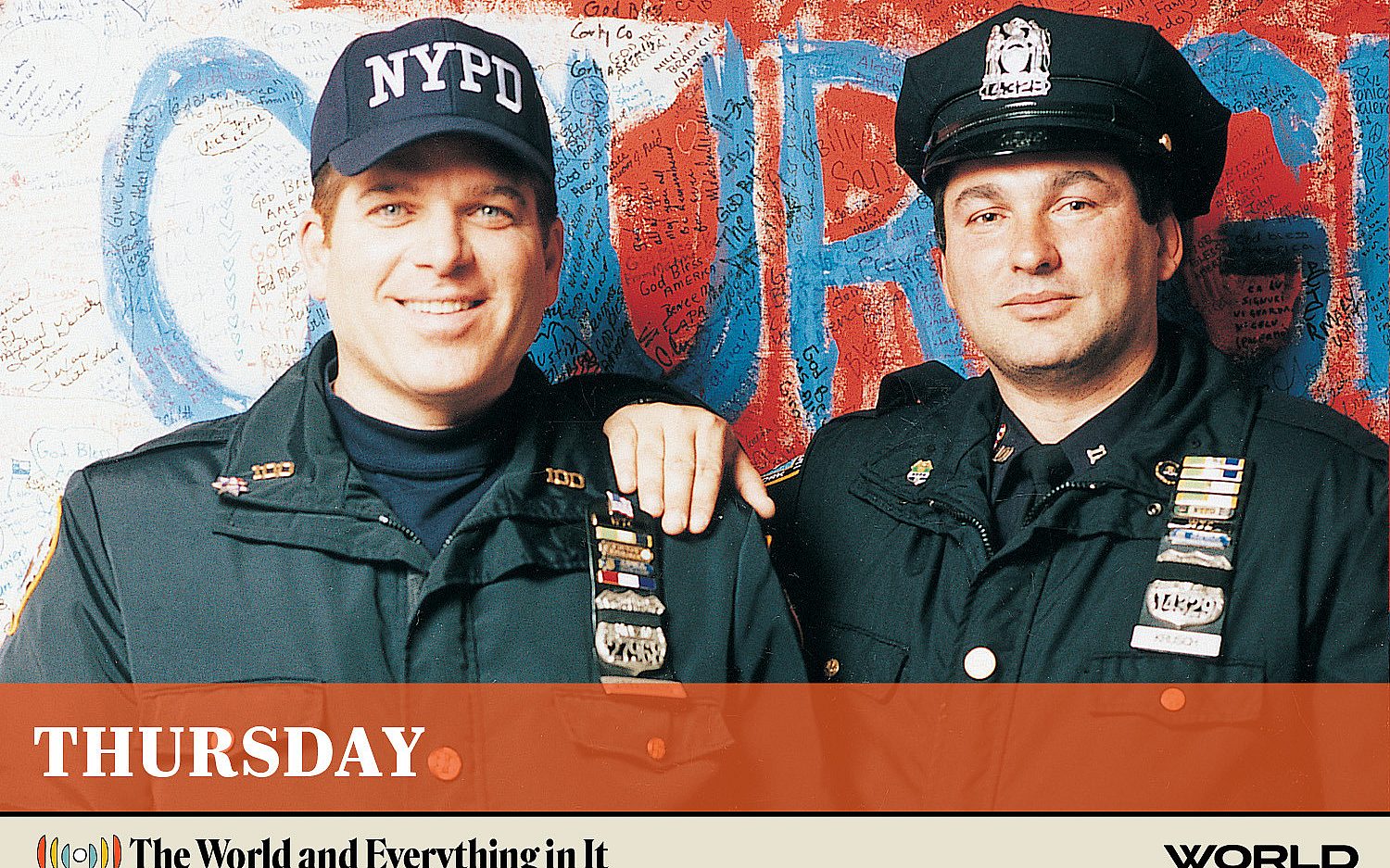
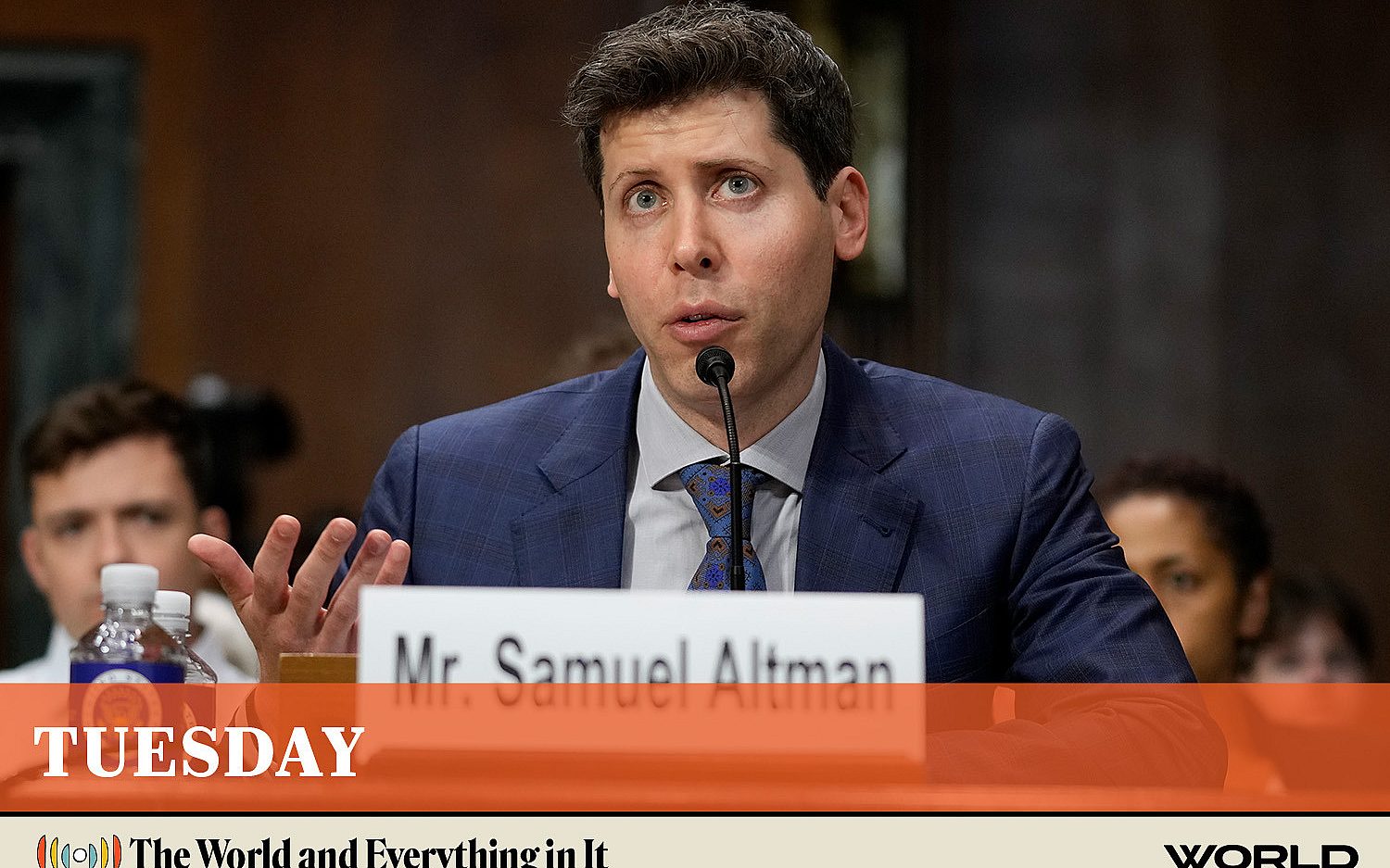
Washington debates how to regulate AI dangers no one fully understands. Iran-backed Houthis squeeze a second global shipping chokepoint, and students are reaching college without basic literacy. Plus: elementary schools rethink screens, Girl Scout cookie season goes to the dogs, and Bethel McGrew carries a 9/11 hero’s story into a new generation.
A university that endorsed land acknowledgments winds up paying after punishing a professor’s parody, while David Bahnsen asks whether a pro-family subsidy can avoid becoming another welfare-state expansion with Washington already spilling $2 trillion more in red ink. Then Muhammad Ali gets one last chance to prove the doubters wrong—and does.
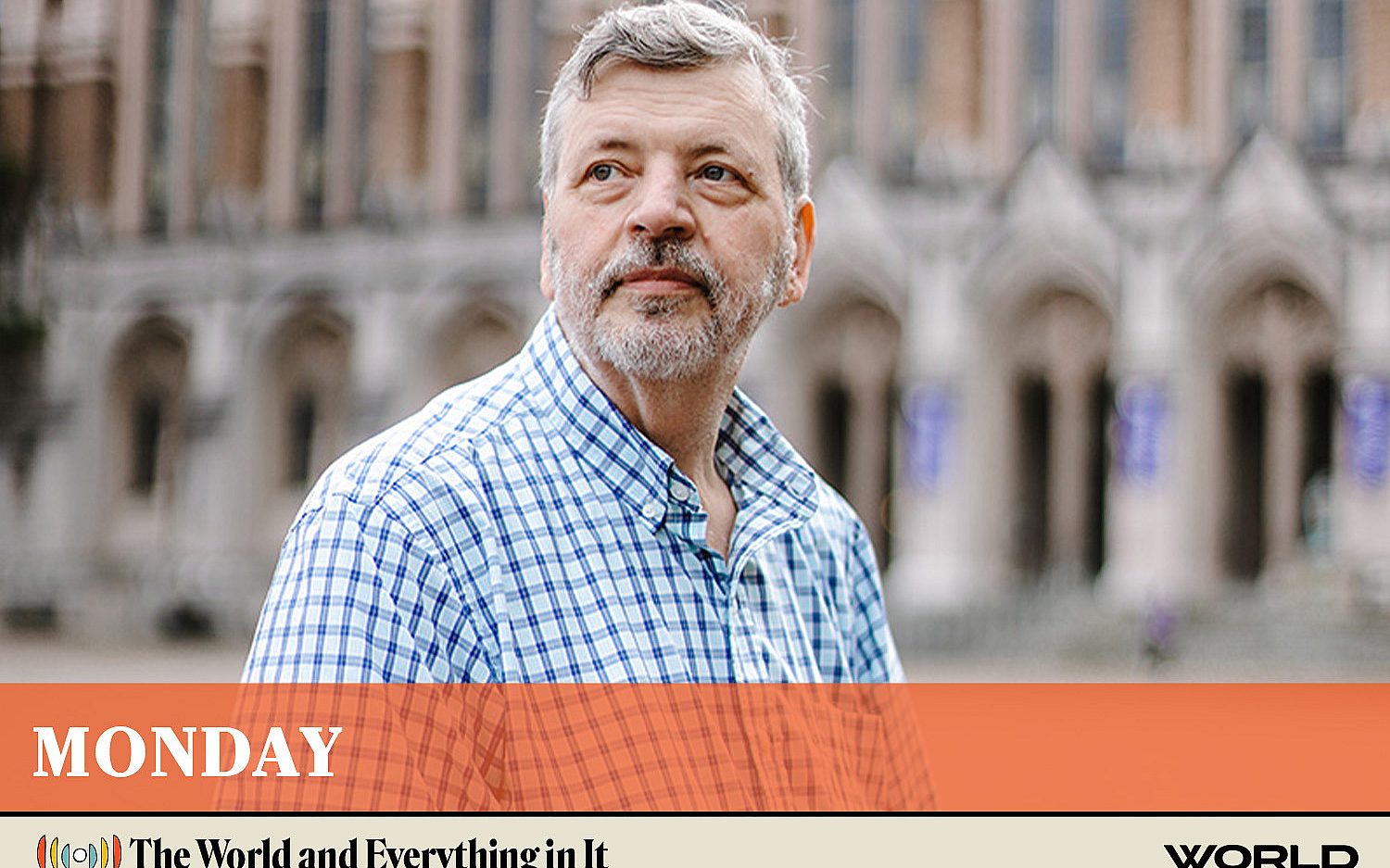
On Culture Friday, John Stonestreet takes stock 25 years after 9/11—what the day still reveals about truth, technology, and the worldviews through which Americans interpret evil. He also considers the conspiracy theories that have persisted since Charlie Kirk’s assassination and how abortion culture can push three murdered children to the margins of their own case. Plus: Runner proves better than advertised, and a preview of Doubletake looks at signs misread before marriage.
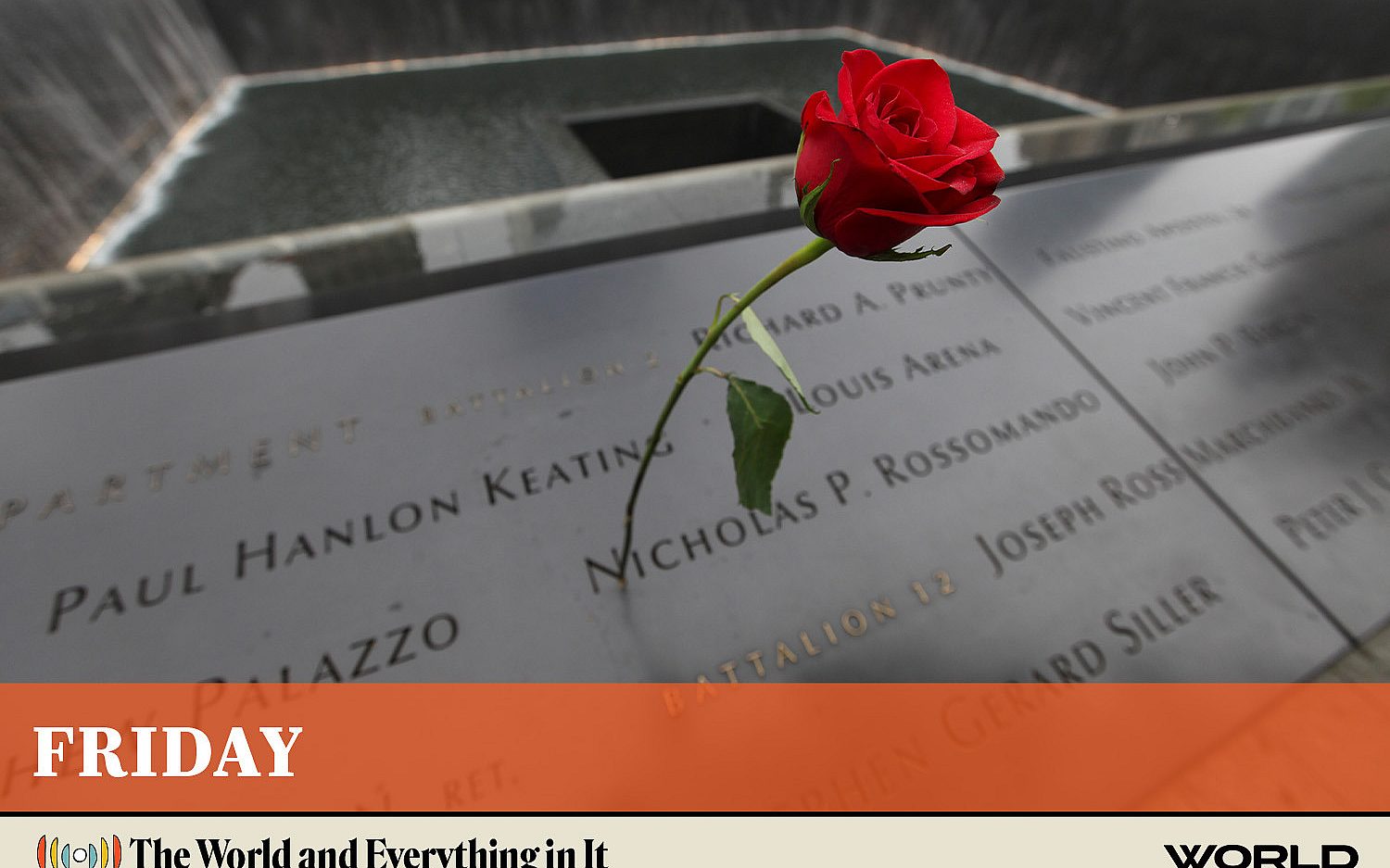
Russian drone incursions test how far NATO can be pushed without open war, while Canada keeps military chaplains on the platform but tells them not to pray. Mississippi shows what can happen when struggling readers aren’t written off, and a photographer remembers the grace she saw in a chapel serving Ground Zero workers after 9/11. Plus: Royals fans salvage a moral victory, and Daniel Suhr considers what Charlie Kirk taught freedom was for.