
What the midterms mean
If the Democrats win majorities in Congress—look out
Voting booths in Haverstraw, N.Y. Associated Press / Photo by Seth Wenig

Full access isn’t far.
We can’t release more of our sound journalism without a subscription, but we can make it easy for you to come aboard.
Get started for as low as $3.99 per month.
Current WORLD subscribers can log in to access content. Just go to "SIGN IN" at the top right.
LET'S GOAlready a member? Sign in.
If, as history suggests and polls predict, a “blue wave” descends on Washington D.C. and today’s elections sweep Democrats into power, it will result in a Congress with progressive priorities. The swing voters who go to the polls to issue a rebuke to the party in power, the GOP, may not realize that a vote for a moderate Democrat likely results in a far-left Democrat assuming the gavel on important congressional committees.
The leadership of the House, for instance, would shift from the conservative, pro-life Speaker Mike Johnson to the progressive, pro-choice Hakeem Jeffries. This means progressives Rosa L. DeLauro of Connecticut as chair of the House Appropriations Committee, Maxine Waters of California chairing the House Financial Services Committee, and Jamie Raskin of Maryland at the helm of the House Judiciary Committee.
In the Senate, it would be a similar story. If Democrats flip key seats in places like Texas, North Carolina, Alaska, and Kansas, progressives are poised to lead key committees. Elizabeth Warren is in line to be the new chairwoman of the Banking, Housing, and Urban Affairs Committee, Socialist Bernie Sanders of Vermont would likely assume control of the Housing, Education, Labor, and Pensions (HELP) Committee, Patty Murray of Washington state would most likely run the Appropriations Committee, and Rhode Island’s Sheldon Whitehouse, who wants to expand the Supreme Court and continues to call for the impeachment of conservative Supreme Court justices, would likely helm Judiciary.

U.S. Sen. Elizabeth Warren, D-Mass. Associated Press / Photo by Manuel Balce Ceneta
What would this mean for conservative policy goals and ideas? Democratic control would not only shut down any meaningful conservative legislation, it would likely mean an aggressive push for progressive priorities, including on abortion and the LGBTQ agenda. Democrats are also promising a slew of investigations into the Trump White House.
Of course, even if an expected Democratic wave becomes a tsunami, passing the Democrats’ liberal priorities will be difficult in a narrowly divided Senate. However, you can expect them to push for an end to the filibuster rule that enables them to pass legislation with only 51 votes. It is possible that some Democrats from red states will resist this, but with a presidential primary approaching, it is likely that most, especially those who look in the mirror and see a future occupant of 1600 Pennsylvania Avenue, will fall in line. The most left-wing legislators will want to use this occasion to do things like adding states to the union (Puerto Rico and Washington, D.C.), enshrining a right to abortion in the Constitution, and other progressive priorities. Yet even if these ideas can manage to get passed through both houses of Congress, they will be almost certainly met by a presidential veto.
If Democrats win control, what is most likely to happen is a lot of gridlock, recriminations back and forth between the White House and Congress, and investigations of the president and his cabinet. All this noise and fury will serve as the backdrop to a presidential primary that starts the day after the election. The only wild card to this probable scenario is if a deal-making President Trump manages to find common ground on some of his priorities.
Voters going to the polls frustrated by rising prices and war and wary of the president’s unconventional leadership style should understand what they are voting for. Progressives don’t intend to govern from the center, and conservatives will face even more reasons to be upset by what emerges from Washington, D.C.


These daily articles have become part of my steady diet. —Barbara
Sign up to receive the WORLD Opinions email newsletter each weekday for sound commentary from trusted voices.Read the Latest from WORLD Opinions
Barton J. Gingerich | What our government and a licentious market have done to young men should enrage us

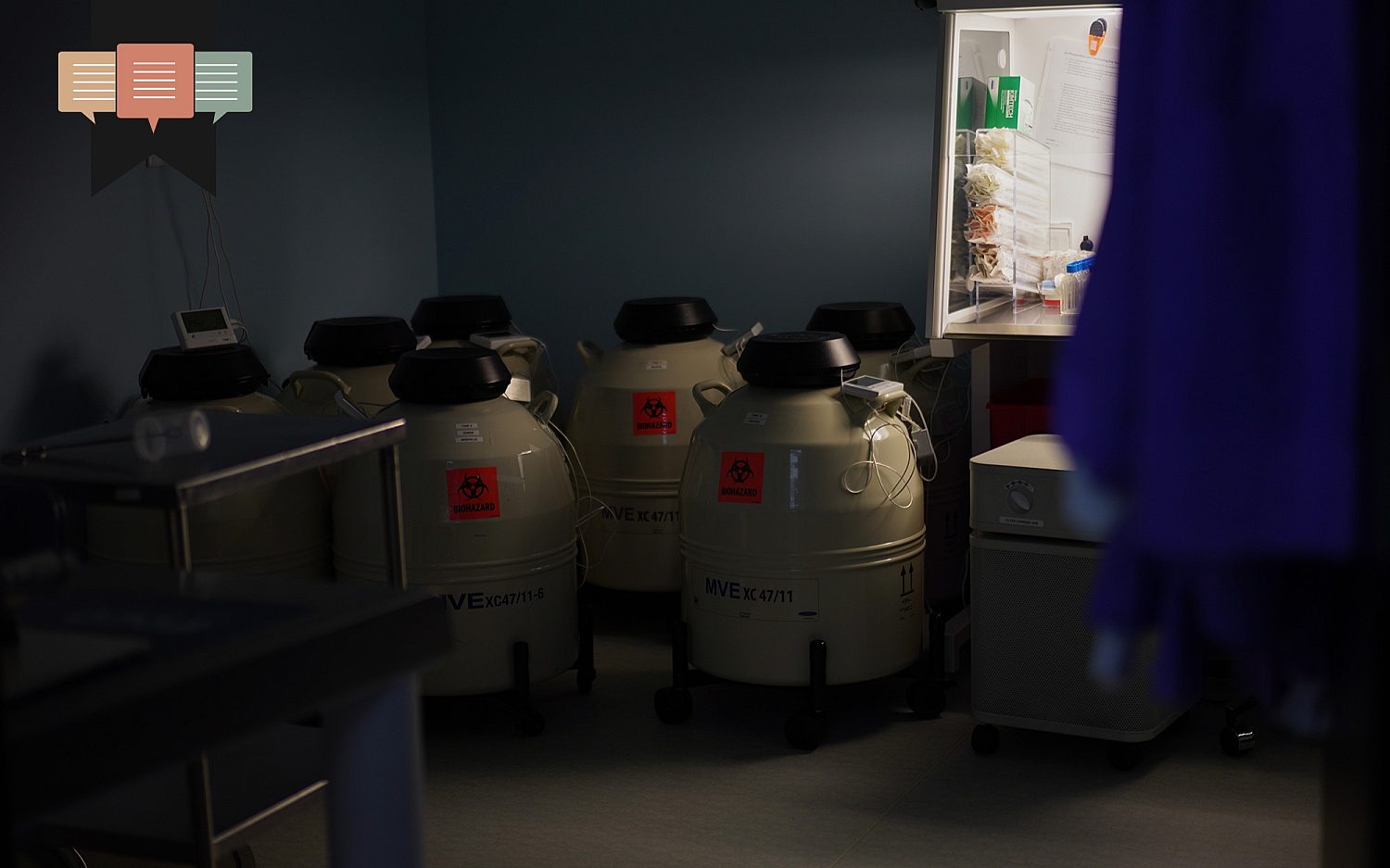
Josh Wood | Study shows that freezing embryos increases cancer risk, and we won’t know the full, long-term danger for years
David Closson | Four states will vote tomorrow on whether to protect women’s sports

Lael Weinberger | Colorado finds itself at the Supreme Court (again) in a dispute about religious freedom

Please wait while we load the latest comments...
Comments
Please register, subscribe, or log in to comment on this article.