
Sen. Hawley launches Flock cameras investigation
A Flock Safety license plate reader is seen along a public road, Oct. 16, 2025, in Houston. Associated Press / Photo by David Goldman, file
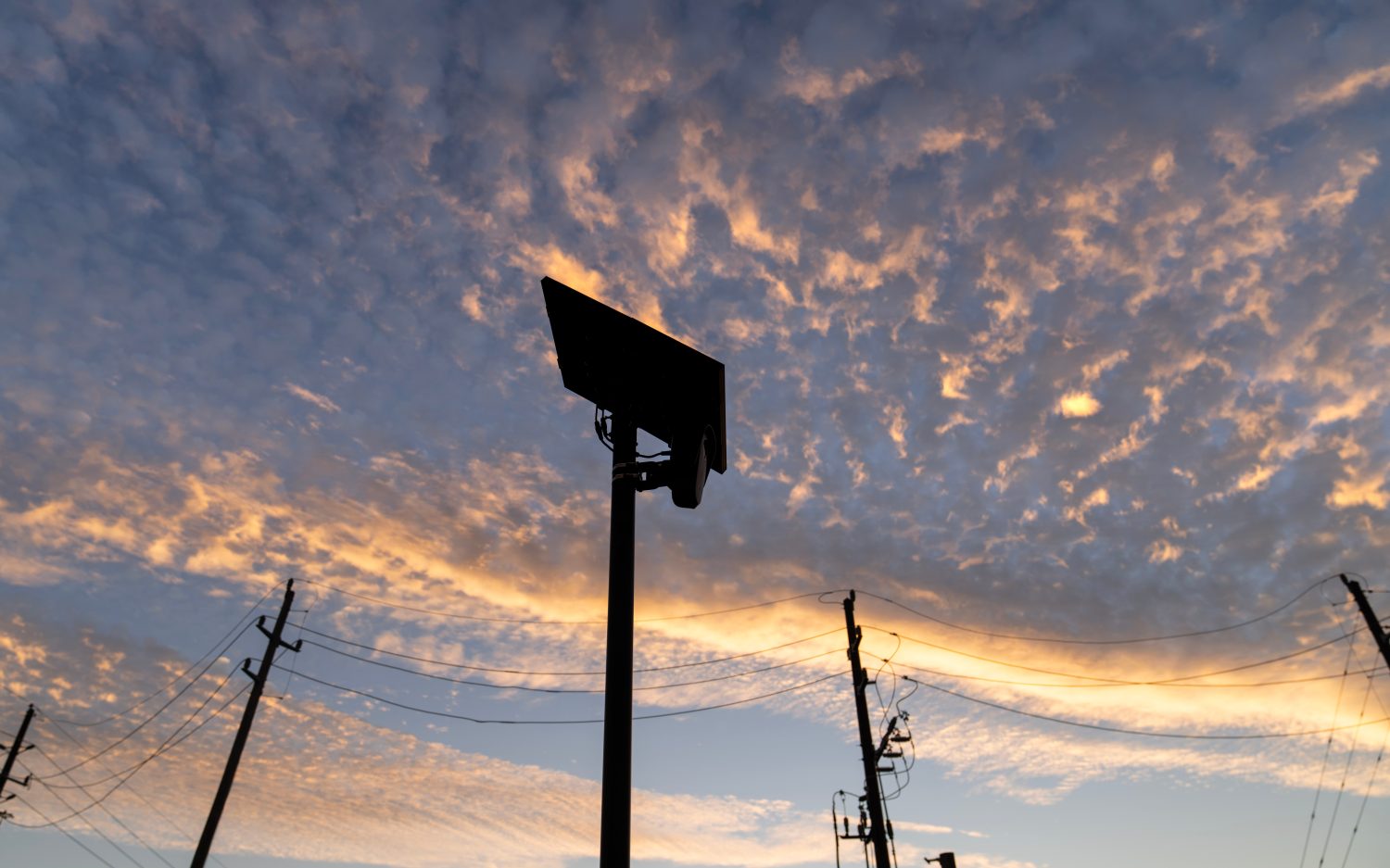
Sen. Josh Hawley, R-Mo., on Wednesday publicly asked Flock Safety, a company known for its license plate reader cameras, to provide comprehensive information on its collection, use, and retention of the cameras’ data. Hawley said he needed the information for an investigation he launched as chairman of the Senate Judiciary Subcommittee on Crime and Counterterrorism. He gave Flock roughly two weeks to provide a lengthy list of documents, including its policies for data use, a list of all types of data that Flock cameras are able to collect, and a tally of how many times the cameras have misidentified a vehicle.
Flock spokesman Paris Lewbel told WORLD that the company appreciated the opportunity to provide the subcommittee with additional information about Flock and its technology.
“We will be responding directly to the questions raised and we look forward to working with Senator Hawley and the Subcommittee to provide additional context about how our technology works, the safeguards built into our platform, and how law enforcement agencies use Flock to solve crime and find missing people,” he wrote in an emailed statement.
What, specifically, are the senator’s concerns? Hawley referred to the company’s cameras, which are erected through contracts with cities, police departments, and neighborhoods, as an unprecedented national surveillance network. Flock has more than 120,000 cameras in 49 states that scan over 20 billion vehicles a month—and the records are pooled into a database tracking the activity of mostly law-abiding Americans, he said. It was unclear how Flock used the data or if the company sold it, he said, and people deserved to know, Hawley suggested.
Hawley also mentioned several known examples of people misusing Flock’s data, including a police officer who tracked his girlfriend’s license plate over 100 times. The cameras also sometimes misidentified vehicles, he said. In one instance, a Florida woman spent 13 days in jail and faced eight felony counts for several months after her car was misidentified, Hawley said.
Hasn’t Flock already acted to address some of those concerns? The investigation comes roughly two weeks after the company changed some of its policies due to widespread backlash. Flock would start requiring officers to enter a criminal case number to access the database, the company said. Flock also changed its default period of time for retaining data to a week, though users can make that period longer.
Dig deeper: Read Micah Barkley’s report on the recent Flock changes for more details.


An actual newsletter worth subscribing to instead of just a collection of links. —Adam
Sign up to receive The Sift email newsletter each weekday morning for the latest headlines from WORLD’s breaking news team.



Please wait while we load the latest comments...
Comments
Please register, subscribe, or log in to comment on this article.