
Zealots against religious freedom
School funding argument suggests Colorado may soon be 0-4 versus the First Amendment
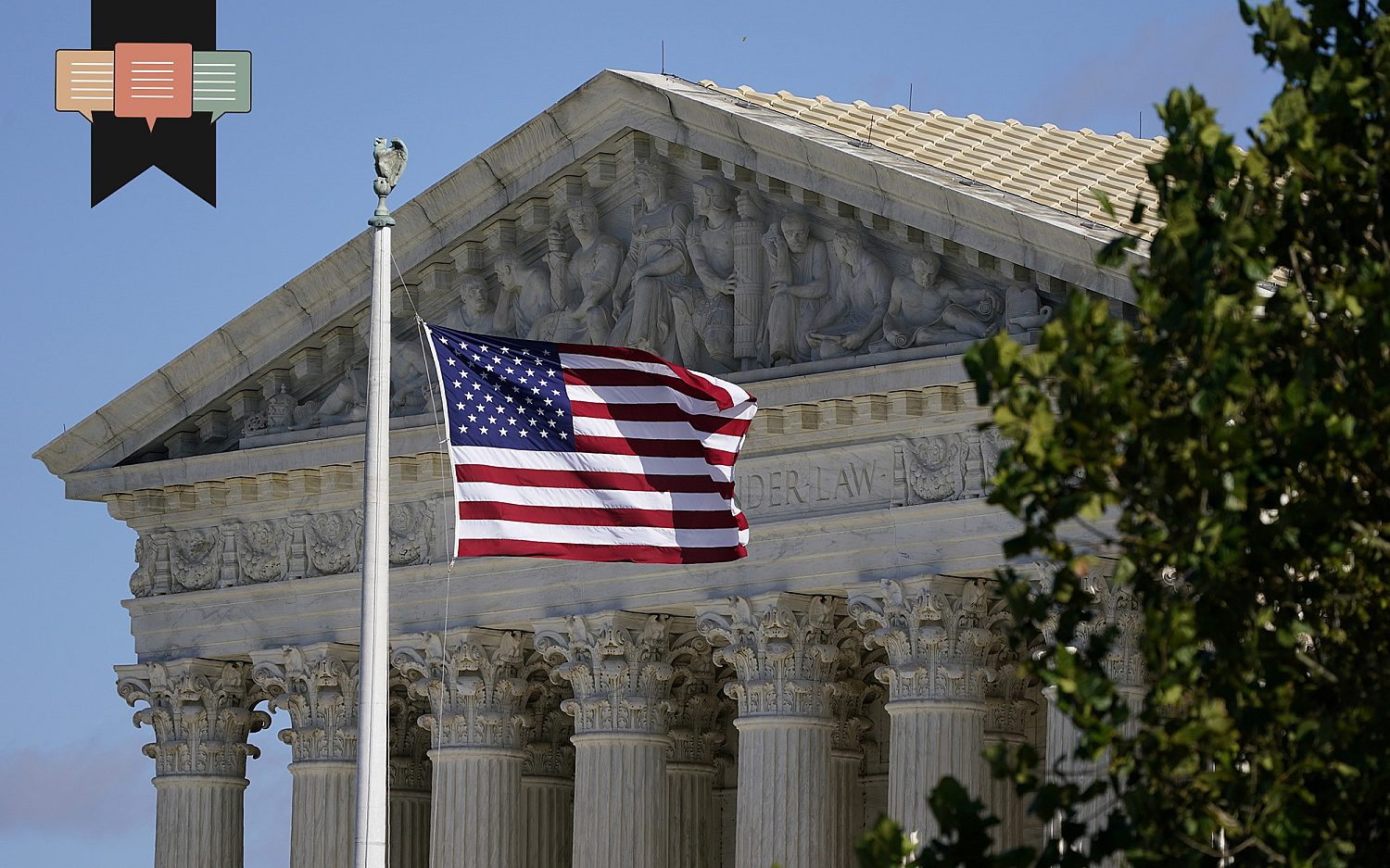
An American flag flies in front of the Supreme Court building in Washington, D.C. AP Photo/Patrick Semansky, file
Full access isn’t far.
We can’t release more of our sound journalism without a subscription, but we can make it easy for you to come aboard.
Get started for as low as $3.99 per month.
Current WORLD subscribers can log in to access content. Just go to "SIGN IN" at the top right.
LET'S GOAlready a member? Sign in.
On Nov. 3, the Supreme Court heard a case that will determine whether Colorado may condition public preschool funding on religious schools abandoning their beliefs. The case, St. Mary Catholic Parish v. Roy, involves a Colorado preschool that was denied funding because its faith statement requires parents to affirm a biblical view of marriage and sexuality.
Colorado began its universal preschool program in 2023. The program pays for preschool for four-year-old children in Colorado. Private schools, including religious ones, may participate, but only if they follow the state’s mandates. One of those mandates, what the state calls its “equal opportunity mandate” means that schools may not permit only religious adherents to attend the school—they may not, in other words, have a Jewish school or a Catholic school nor may they require parents to adhere to a statement of faith.
In a long line of cases beginning with Trinity Lutheran v. Comer—a case involving a Lutheran preschool in Missouri—the Supreme Court has held that when a state makes a public benefit generally available it may not exclude someone because of their faith. In that case, a faith-based preschool was just as eligible for playground resurfacing material as a secular preschool. Next, in Espinoza v. Montana Department of Revenue, the Supreme Court held that a Montana tax-credit program for private school tuition scholarships could not exclude aid to religious schools. Third and finally, in Carson v. Makin, the Supreme Court held that a state may not exclude “otherwise eligible schools” from a public tuition assistance program because they teach religious things.
The Colorado case should be an easy one under this line of cases. States may not create a generally available public benefits program and invite private participation while excluding religious participants or preventing them from acting religiously. Many of the Justices seemed to agree, noting that states should not be able to evade the Supreme Court’s public-benefit cases by invoking a nondiscrimination principle. Justice Barrett, in particular, highlighted that a prominent New York Times article had encouraged states to do just that and "outmaneuver the Supreme Court.” Justice Gorsuch agreed that a nondiscrimination requirement should not be allowed to gut the Court’s repeated holdings that people of faith must be treated equally in public benefits programs.
Colorado argued that the Supreme Court’s infamous decision in Employment Division v. Smith applied instead of Carson. In that case, the Supreme Court held that a law that substantially burdens religious exercise does not violate the Free Exercise Clause so long as it does not target religion and applies to everyone. In Fulton v. City of Philadelphia, Justices Thomas, Alito, and Gorsuch called for the Court to overrule Smith. As Justice Alito pointed out during argument today, such a doctrine is pernicious. It would uphold a ban on alcohol, with no exception for communion or a slaughter law requiring animals to first be stunned, which would effectively prohibit kosher.
Further, there is a strong argument that Colorado’s universal preschool program does not in fact apply to everyone. Despite its equal opportunity mandate, Colorado takes the position that while a church preschool may not limit its school to religious adherents, a secular preschool may limit enrollment to “gender-nonconforming children,” to “prioritize ‘children of color,’” or to “grant preference to a child based on the child or family being part of the LGBTQ community.” That’s the furthest thing from neutral and generally applicable.
The Justices seemed skeptical of Colorado’s argument, noting that the state had a checkered history of being on the wrong side of the First Amendment. Colorado, after all, is the State that gave us 303 Creative when it tried to force a Christian website designer to design a website for a same-sex wedding. It’s the same state that tried to prevent Kaley Chiles from helping young people who wanted to become comfortable in their own bodies–all while allowing counselors to steer children towards a so-called gender transition. And it is the very state that tried to force Jack Phillips to create a same-sex wedding cake and where a Colorado Civil Rights Commissioner compared Phillips’ traditional views on marriage to those that gave rise to the Holocaust. The Supreme Court ruled against Colorado in each of these cases.
This time around not even preschools are safe from Colorado’s zealous attempts to coerce people of faith into conforming with its point of view. That position is intolerable under the Free Exercise Clause as a majority of the Court seems poised to recognize. A ruling for the religious schools here will ensure that the states are not free to outmaneuver the Supreme Court and exclude otherwise qualified people of faith from providing free preschool or other public benefits.


These daily articles have become part of my steady diet. —Barbara
Sign up to receive the WORLD Opinions email newsletter each weekday for sound commentary from trusted voices.Read the Latest from WORLD Opinions
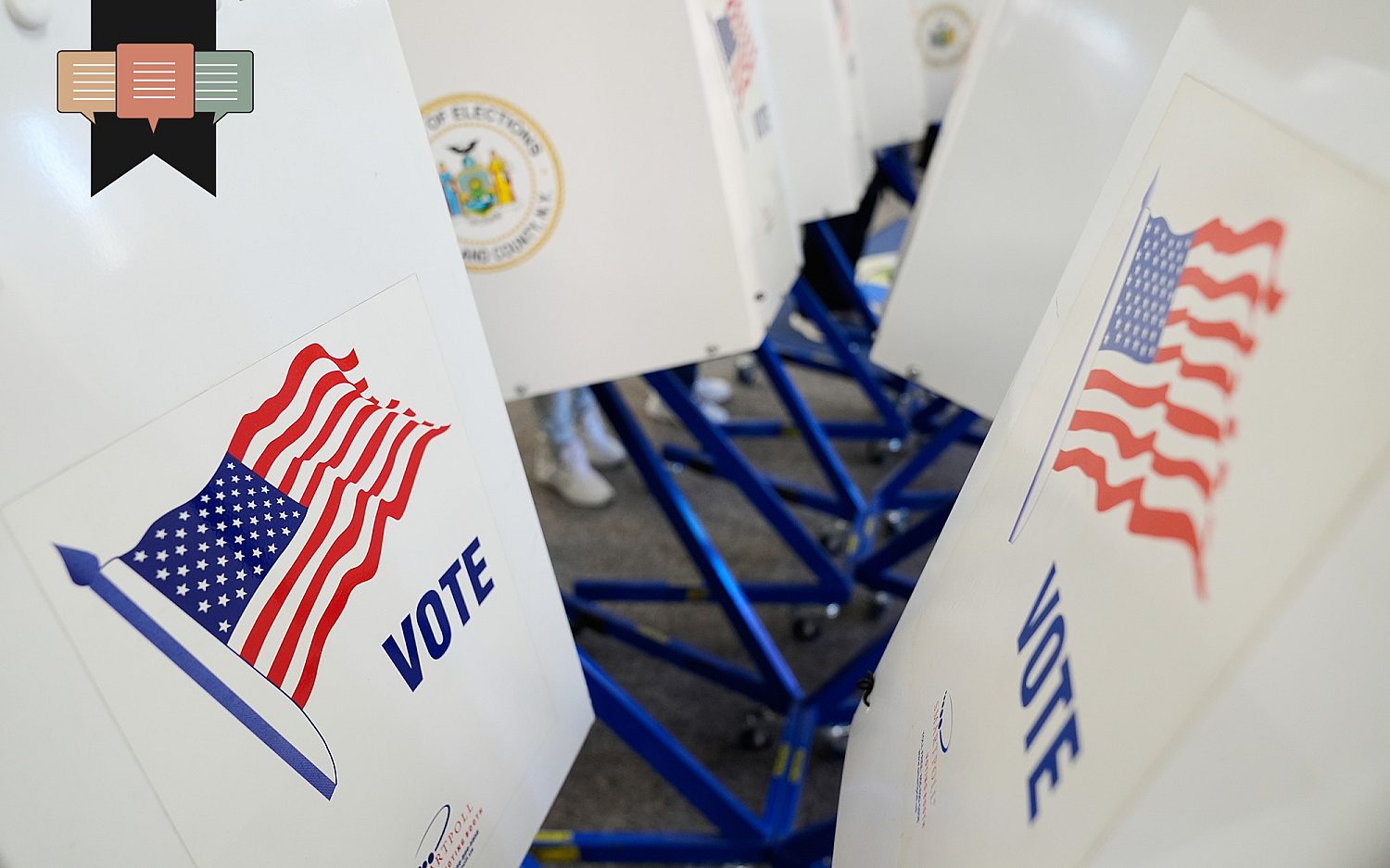
R. Albert Mohler Jr. | The political map points to Republican disaster and big challenges for Christian conservatives
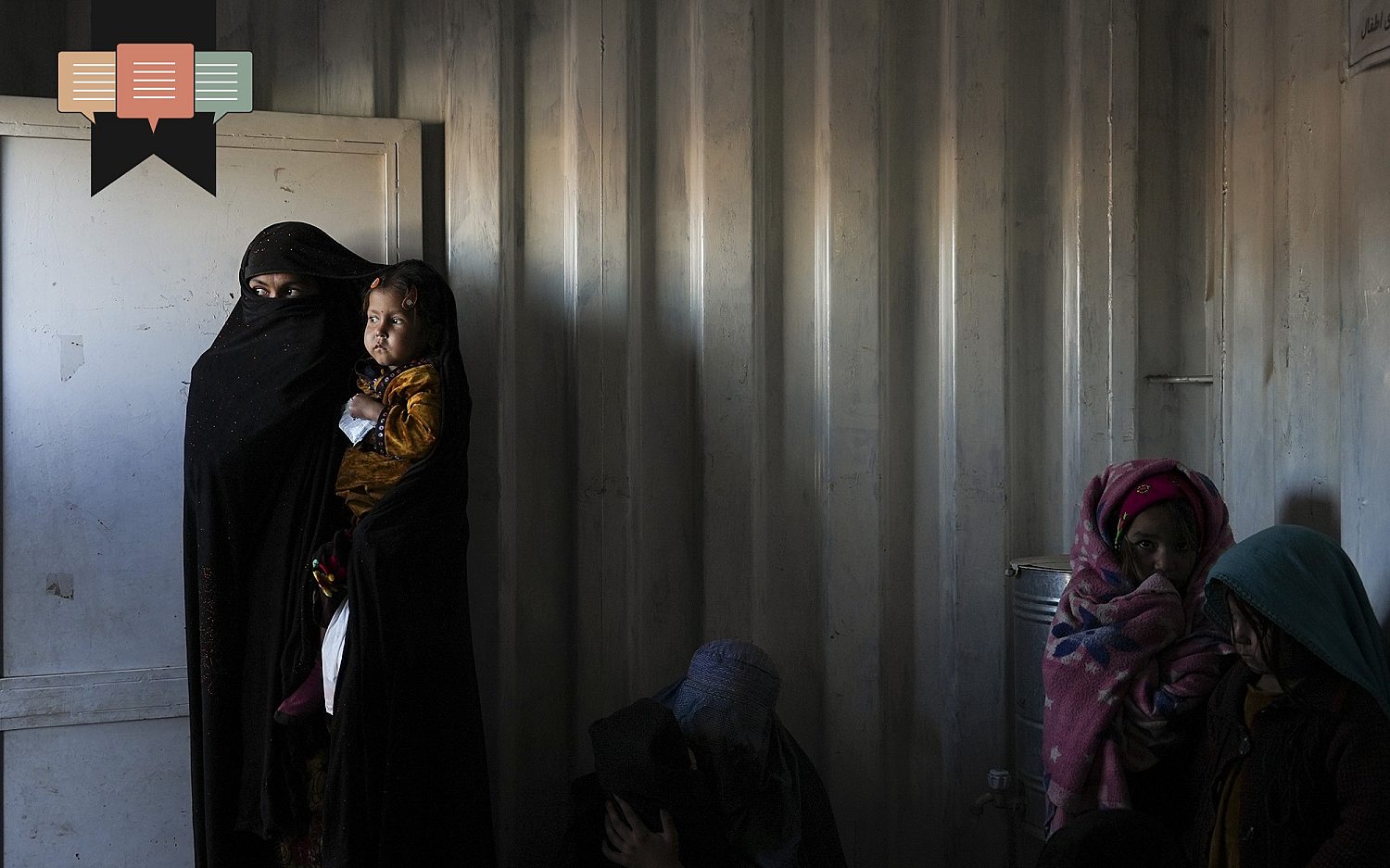
Shane Folks | A new TV channel offers the only lasting peace in war-torn Afghanistan
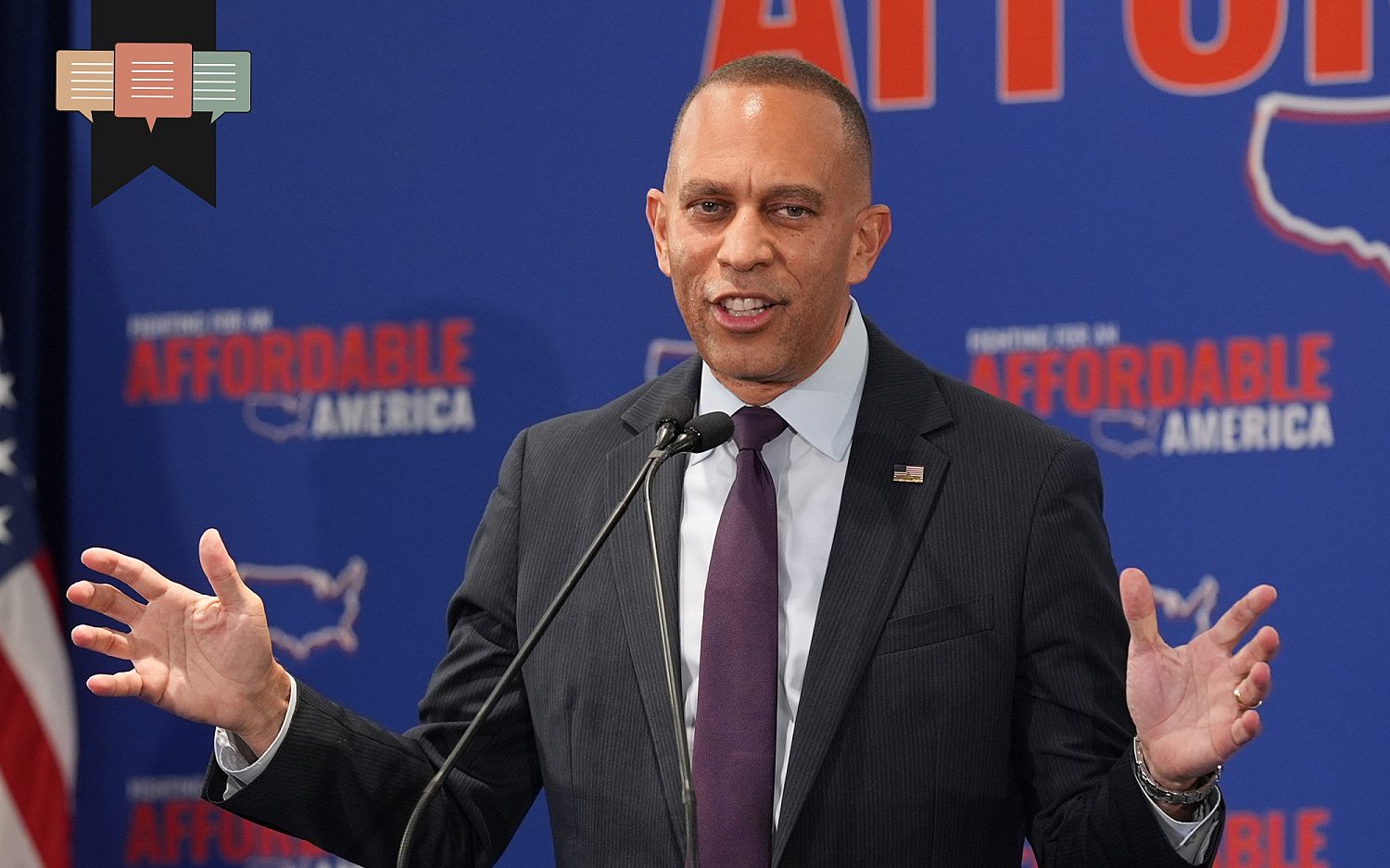
Daniel Darling | If the Democrats win majorities in Congress—look out
Barton J. Gingerich | What our government and a licentious market have done to young men should enrage us
Please wait while we load the latest comments...
Comments
Please register, subscribe, or log in to comment on this article.