
Bible time in Everett, Wash.
School district’s agreement with ministry will benefit students and schools
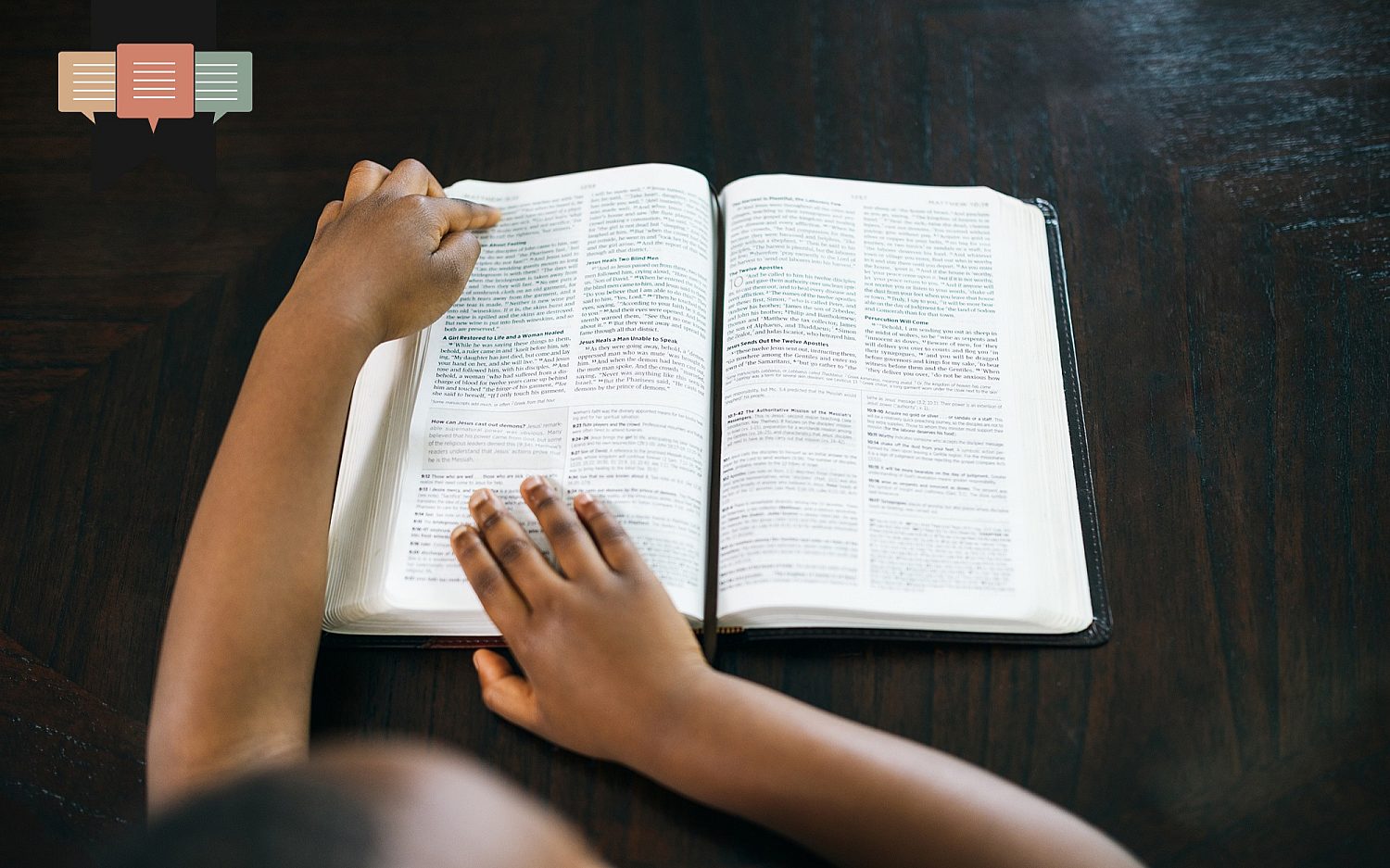
A little boy reads the Bible RyanJLane / E+ via Getty Images
Full access isn’t far.
We can’t release more of our sound journalism without a subscription, but we can make it easy for you to come aboard.
Get started for as low as $3.99 per month.
Current WORLD subscribers can log in to access content. Just go to "SIGN IN" at the top right.
LET'S GOAlready a member? Sign in.
In Washington state, one school district has reached a settlement with LifeWise Academy, a nationwide ministry that offers optional Bible classes for public school children. This seven-year-old ministry does so in accordance with a 1952 Supreme Court ruling that allows voluntary offside religious instruction. It is led by parents and funded solely through private donations, and it offers students release-time Bible classes, often hosted by local churches. Students must opt in to the program with written parental approval. Transportation is provided by the ministry.
Not only did the Everett School District refuse to allow LifeWise to serve students, but at the school board meeting, one key board member accused the ministry of wanting to “bring white supremacy and Christian nationalism to our schools” and “snuff out the cultures, religion, and language of native kids and other kids of color.” What’s more, according to a legal complaint filed by religious liberty law firm, First Liberty, the district put onerous restrictions on LifeWise, demanded that students hide their Bibles in special envelopes in their backpacks, and refused to include the ministry in an advertisement about other available extracurricular religious and social activities. In April, a federal judge issued an injunction against the Everett School District. This month’s settlement requires the district to pay the legal fees of the plaintiffs and for the school board to undergo religious liberty training.
Christians should welcome this development. This program is clearly voluntary and consistent with religious liberty. We would not want the state to demand every student engage in Christian worship and teaching. Christians believe that the role of the state is not to coerce belief, nor would we want unqualified state actors to necessarily be tasked with teaching the Bible to our children. When Paul urged Timothy to pray for civic authorities, he instructed him to pray that Christians might “lead a peaceful and quiet life, godly and dignified” (1 Timothy 2:2). Only Christ is the “mediator between God and men” (v. 5). The state isn’t the mediator. The state isn’t tasked with separating the sheep from the goats and the wheat from the tares. God gave the church, not the state, the Great Commission.
Yet the hyperbolic reaction from the Everett School District reflects a policy of strict secularism, where any incidental contact between the state and religion is considered out of bounds or even dangerous. But the Founders did not intend to cleanse the public square of Christianity—they merely didn’t want the state to usurp the power of the church.
LifeWise Academy allows students to explore and perhaps practice Christianity as a decision of their own conscience and with the permission of their parents, just as they would opt into a variety of other extracurricular, outside social activities offered by a school district. It is a threat only to those who view Christianity as a malign influence on society, a view that the high priests of secularism often admit, as did this school board member.
There is also evidence that the presence of these off-site, voluntary, parent-led Bible classes, which take students on a five-year journey through the Scriptures, are having an effect on the schools that offer this ministry. According to one independent study of schools where LifeWise is offered, results show a nearly 50% drop in absenteeism, with over 30% more students performing at or above grade level while suspension rates dropped by 30%. This practice of Bible instruction is making a difference in the lives of students. One would think school boards would welcome such ministries. LifeWise currently serves 10,000 students in 40 states. Joel Penton, CEO of LifeWise, says, “Our focus remains on providing Bible education to families who want it and helping students develop character that serves them throughout their lives.”
LifeWise is but one way evangelicals are serving their local communities. Though many have legitimate concerns about the curriculum and culture of public schools, we still should care deeply about the children who attend them. For many, private school or homeschooling is simply not an available choice. Part of “seeking the welfare” of our cities involves engagement in the education the children in our cities receive. This might include serving on a school board or the many ways churches meet the physical needs of public schools, many in underserved communities. This kind of ministry is one more way, along with ministries such as Fellowship of Christian Athletes, where gospel hope can change lives inside the public school system.


These daily articles have become part of my steady diet. —Barbara
Sign up to receive the WORLD Opinions email newsletter each weekday for sound commentary from trusted voices.Read the Latest from WORLD Opinions
Jonathan E. Swan | Missouri’s quiet move towards pure democracy and away from American representative government
A.S. Ibrahim | French leaders won’t say who is behind violent protests, and they make sure it’s impossible to find out

J. Daryl Charles | Discussion of Lindsey Clancy and her copycats often leaves out the matter of justice
Carl R. Trueman | The spirit that negates stands behind the riots in France, and it also exists right below the surface in the United States

Please wait while we load the latest comments...
Comments