
Baby Doe
DOCUMENTARY | The nice, churchgoing woman who murdered her newborn
Visit Films
Full access isn’t far.
We can’t release more of our sound journalism without a subscription, but we can make it easy for you to come aboard.
Get started for as low as $3.99 per month.
Current WORLD subscribers can log in to access content. Just go to "SIGN IN" at the top right.
LET'S GOAlready a member? Sign in.
Not rated • Video on demand
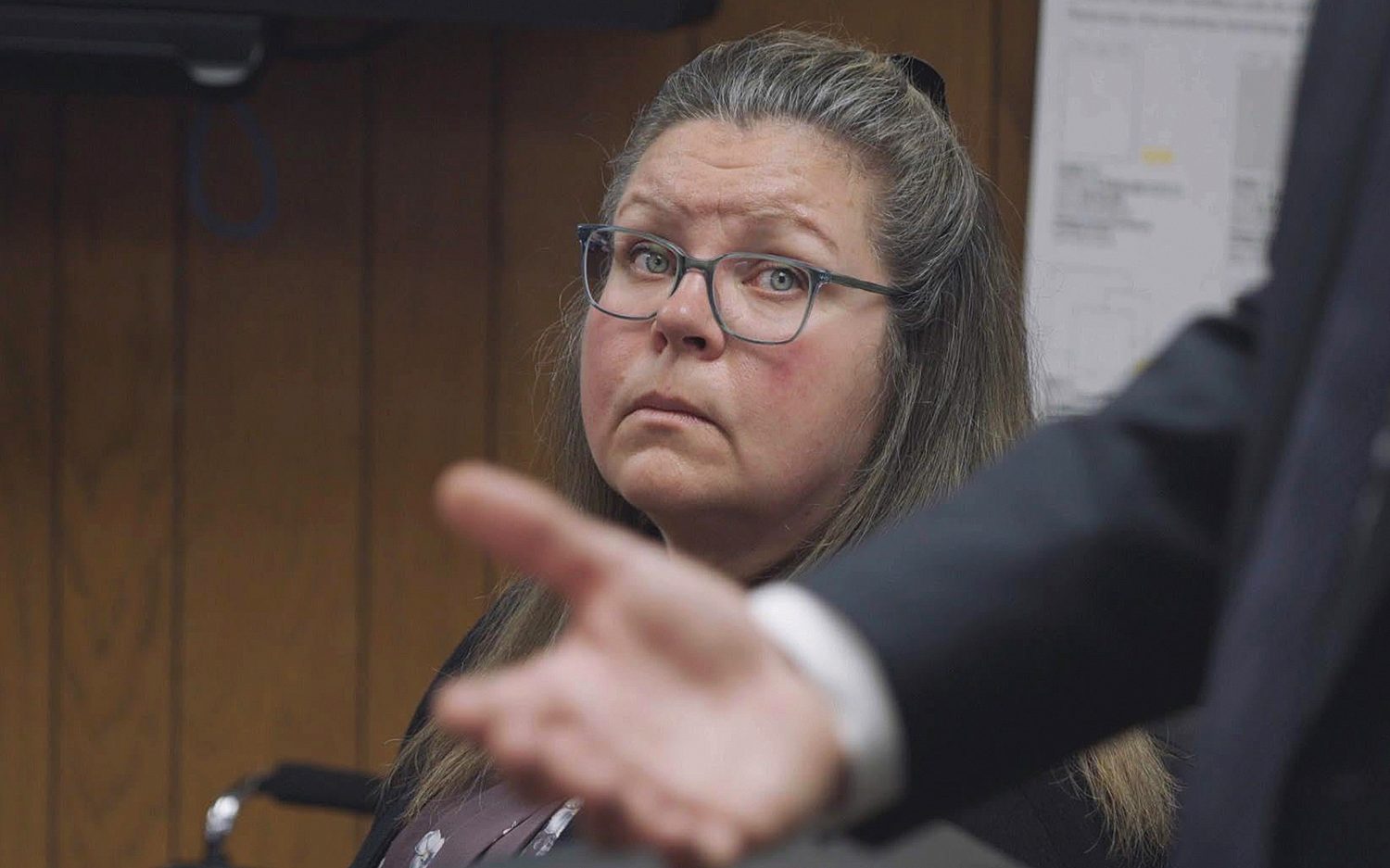
Gail Ritchey could have been a member of your church. She’s a married mother of three young adult children, a grandmother, but also a convict in an Ohio prison serving a life sentence since 2022 for the 1993 murder of her newborn son.
The documentary Baby Doe covers the period from her arrest in 2019 to the beginning of her prison sentence, going behind the scenes into Ritchey’s daily life (wearing an ankle monitor) and listening in on conversations with her legal team. The film also includes interviews with police investigators, news clips from throughout the case’s three-decade span, and candid exchanges between Ritchey and her husband, Mark. Many viewers will resonate with the judge who handed down Ritchey’s sentence: “I can’t rationalize these two Gail Ritcheys,” the one who put her baby in a garbage bag and the one who’s led a “respectable and gracious life” ever since. Some viewers may perceive this as a family tragedy, others a crime thriller. But whether or not writer and director Jessica Earnshaw intended it, the film also tells a cautionary tale about premarital sex.
“Nuts” is how one of Ritchey’s lawyers describes her actions. The inclusion of this frank impression and of other conversations considered privileged attorney-client communication seems shocking until the end credits explain the U.S. Supreme Court declined Ritchey’s appeal. But moments inside her living room and church are quite ordinary. Ritchey’s elderly mother sits on a worn sofa as she grapples with the disturbing revelations, uncertain future, and intrusive cameras. Ritchey and Mark, who attended the same youth group as teens, pray in Jesus’ name as they begin to come to terms with the fallout of their premarital liaisons.
“We were dating for seven years. I should’ve proposed and gotten married sooner,” Mark concedes. Gail admits, “I wasn’t strong enough to say no.” In fact, Gail tells police during a recorded interview early in the investigation that she had done the same thing two years earlier—given birth and abandoned the baby to his or her death. The child’s body was never found, so there was no prosecution—and there’s no probing of this prior death by the filmmaker either. No one in Ritchey’s circles noticed either of her full-term pregnancies, they all claim.
Almost as disturbing as a child’s murder is our society’s determination to legitimize any violent action a woman chooses to take against the child she’s carrying. Voices in the film assert Ritchey’s conservative Christian community would have shamed her for an out-of-wedlock pregnancy, leaving her no option but to secretly throw her baby away. Ritchey’s defense attorneys plan to argue she experienced exculpatory “pregnancy denial,” and a psychiatrist promotes research into “unperceived pregnancies.” The feminists do protest too much, methinks.
Still, Christian viewers may find themselves torn between sympathy for a sister in Christ and outrage toward her for killing a full-term infant with mature lungs who was probably ravaged postmortem by wild animals.
Baby Doe has four expletives—and in case you’re wondering, the film is not related to Steve Taylor’s 1984 song by the same name about a disabled Indiana newborn starved to death after his parents successfully petitioned the courts to block medical intervention. The lyrics fit nonetheless: “They decide this child is better dead … How can you ignore, this baby has a voice?”

Please wait while we load the latest comments...
Comments
Please register, subscribe, or log in to comment on this article.