
FDA approves new pancreatic cancer drug used by Ben Sasse
Packaging for the new pancreatic cancer drug, daraxonrasib, under the brand name Rasonque. Associated Press / Revolution Medicines
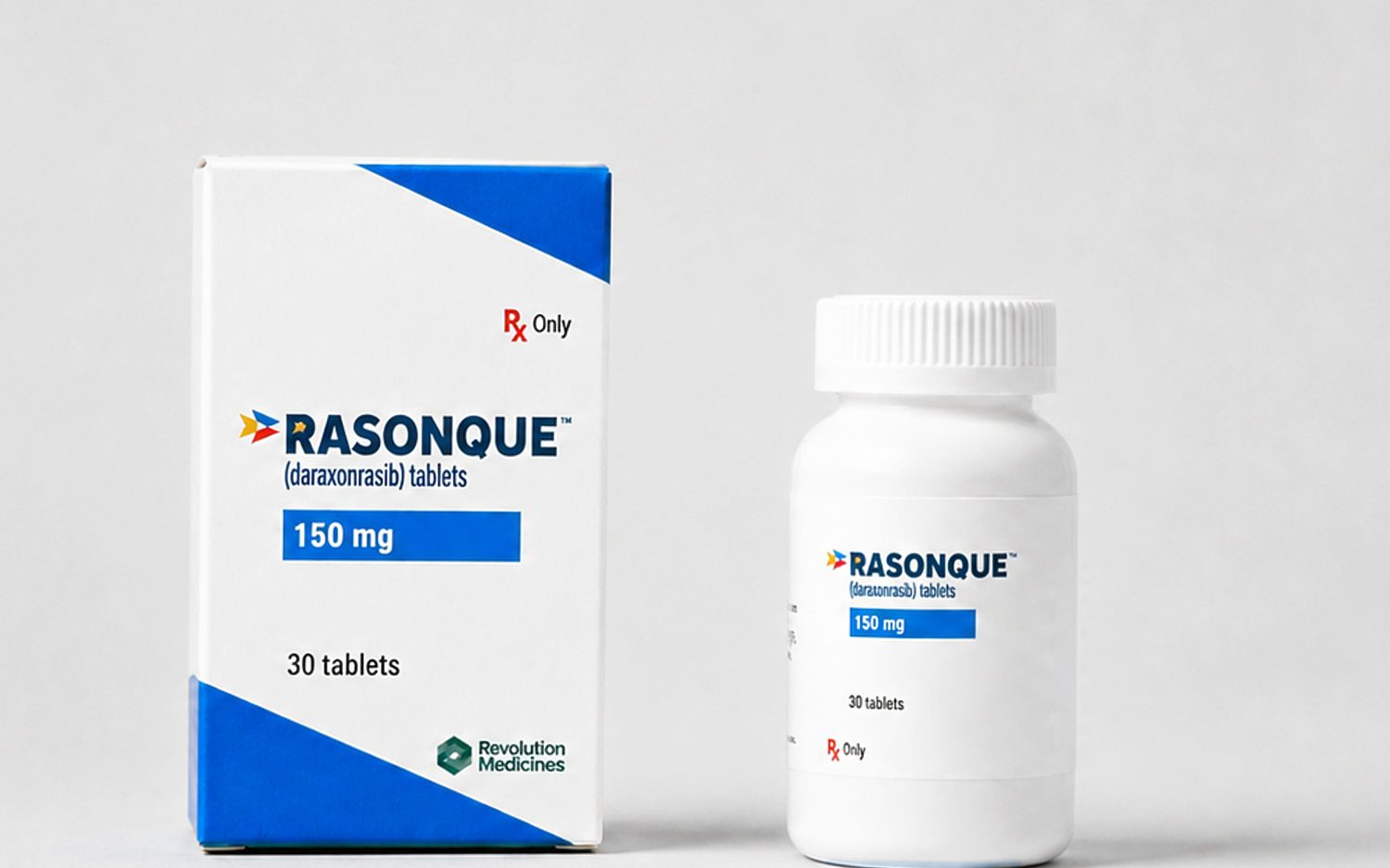
The Food and Drug Administration on Wednesday approved daraxonrasib, a drug for the most common form of pancreatic cancer, marketed under the trademark of Rasonque. Revolution Medicines Inc. developed the drug. Tablets taken once per day inhibit forms of a certain protein that drive tumor growth in patients with cancer in the glandular cells lining the pancreas. That form of cancer is hard to catch and treat, and it accounts for a high share of cancer deaths, according to the FDA.
The drug approval applies to adults with a metastatic form of the cancer who previously received chemotherapy or similar treatment, or who are not considered candidates for common cancer treatments. A randomized clinical trial involving 500 adults who met those conditions showed that Rasonque improved their median overall survival to 13.2 months, compared to 6.7 months with standard chemotherapy, according to the FDA. Acting FDA Commissioner Kyle Diamantas said he was proud of FDA scientists for conducting a fast, thorough review.
The drug became more well-known after former U.S. Sen. Ben Sasse in April shared that he was taking it after being diagnosed with terminal pancreatic cancer. He experienced side effects such as bleeding from the skin on his face, but said that the drug shrank his tumors by 80% and had enabled him to live much longer than the doctors’ original 90-day estimate. Other common side effects of Rasonque include inflammation of the mouth’s mucous membranes, vomiting, abdominal pain, and hemorrhage.
Dig deeper: Read my report on Sasse’s explanation of his shrinking tumors for more details.


An actual newsletter worth subscribing to instead of just a collection of links. —Adam
Sign up to receive The Sift email newsletter each weekday morning for the latest headlines from WORLD’s breaking news team.


Please wait while we load the latest comments...
Comments
Please register, subscribe, or log in to comment on this article.