
Bill Gates urges swift, tight restrictions on artificial intelligence
Bill Gates is seen on Capitol Hill, June 10, 2026, in Washington. Associated Press / Photo by Jose Luis Magana, file
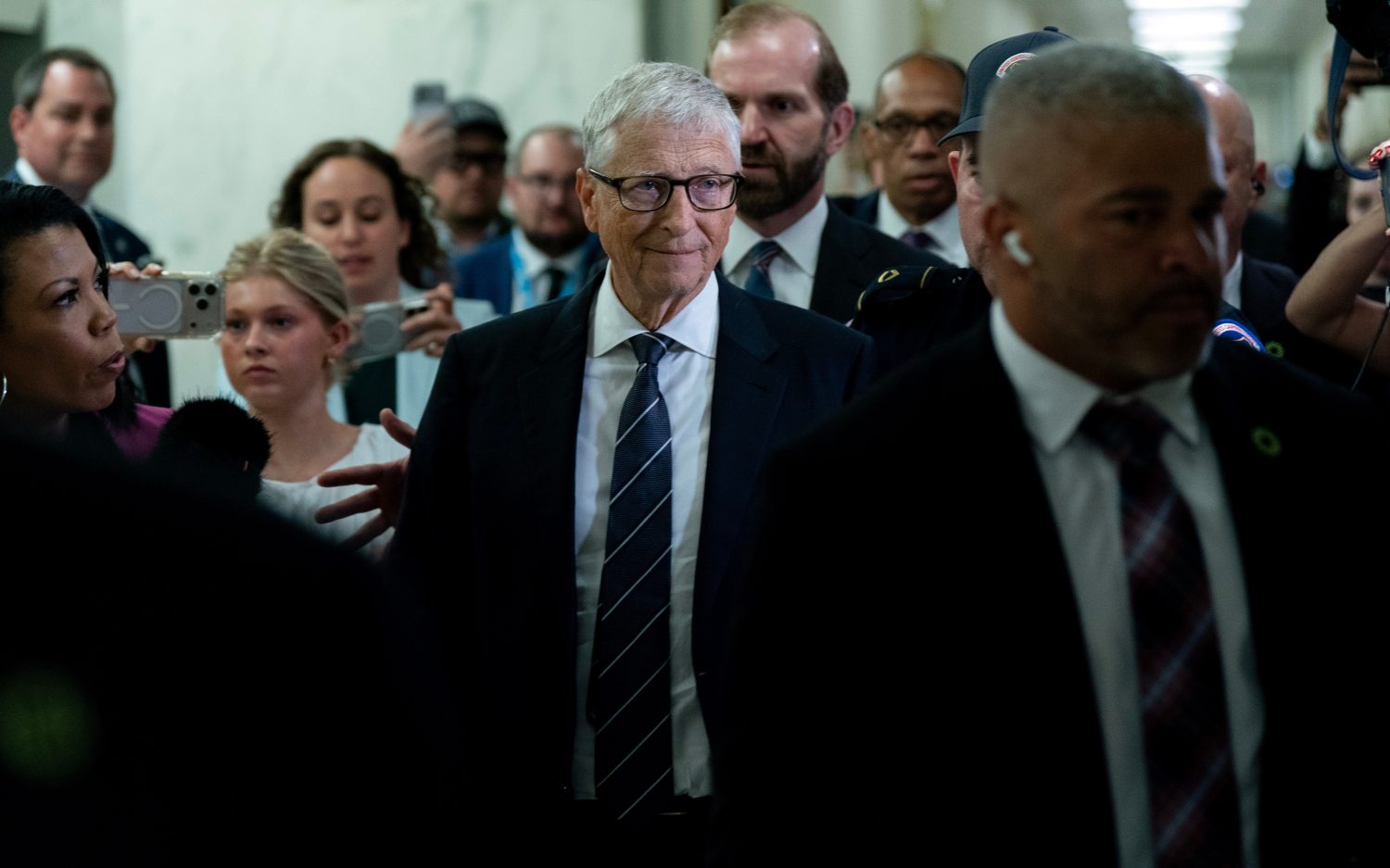
Bill Gates, the billionaire co-founder of Microsoft, on Tuesday published a lengthy essay outlining policy suggestions to prepare for what he described as the artificial intelligence era. The world wasn’t ready for the rapid growth of new AI technologies and capabilities, he said. Gates said he expected AI and robots to be able to take over most jobs in a few years. Governments should preemptively make laws reserving some types of jobs, or quotas of jobs, for humans, he said. Each country would probably come to different conclusions based on its own needs, but should protect positions that required human connection and empathy, as well as highly specialized jobs, he said.
Gates also suggested that governments should tax AI tokens and robots. The current tax system pushes companies to replace workers with robots so they don’t have to pay payroll taxes, he said. A tax would slow the shift away from human labor, and governments could use that money to retrain workers and provide them with more social benefits, he said. He said the tax should be tailored to avoid some types of AI use, such as efforts to make medicine and education less expensive.
Gates also proposed rapid, comprehensive government restructuring to regulate AI. Countries would need national-level bodies to set priorities across government agencies, and the process should include citizens’ democratic input, he said. The world would also need a global AI regulatory organization, he said. Political and technological rivals such as the United States and China would have to cooperate to build institutions before a crisis occurred, he said.
Did Gates say how the Gates Foundation was involved in AI development and regulation? The Gates Foundation had 19 years left of his 20-year plan to spend $200 billion for philanthropic purposes, he said. The foundation was already seeking AI integration in achieving its goals of developing more vaccines and medicines, fighting malnutrition, and improving agriculture and education, he said. The foundation was also trying to ensure that AI models were available in a variety of languages, including those spoken mainly in third-world countries, he said. Many leading AI companies were partnering with the foundation on those initiatives, he said.
Dig deeper: Read my report on Meta CEO Mark Zuckerberg’s recent AI manifesto.


An actual newsletter worth subscribing to instead of just a collection of links. —Adam
Sign up to receive The Sift email newsletter each weekday morning for the latest headlines from WORLD’s breaking news team.



Please wait while we load the latest comments...
Comments
Please register, subscribe, or log in to comment on this article.