
Appeals court hears ministry arguments against Washington’s anti-discrimination law
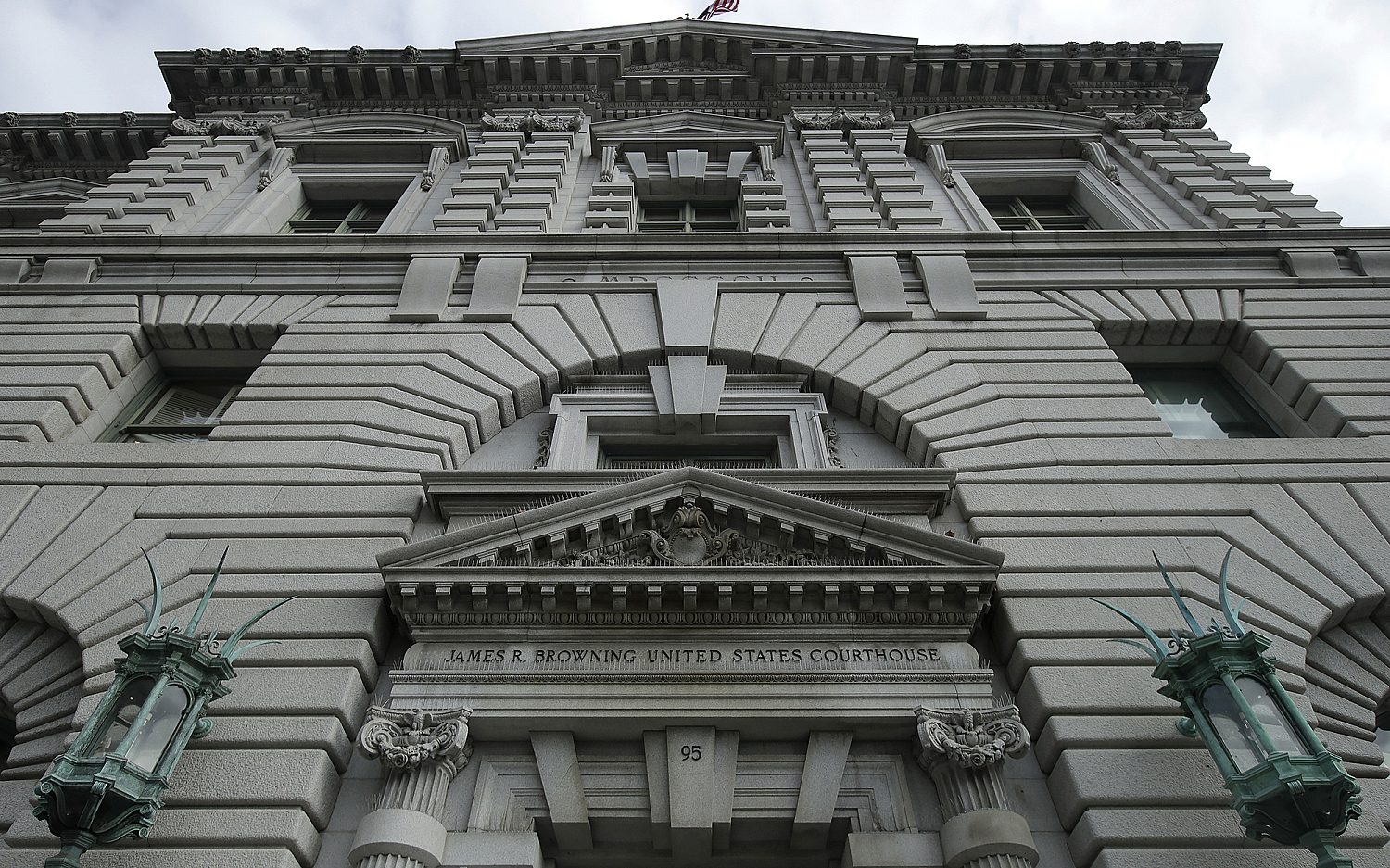
The James R. Browning United States Courthouse for the 9th U.S. Circuit Court of Appeals Associated Press / Photo by Jeff Chiu, File
An attorney representing a Washington state homeless ministry appeared before the 9th U.S. Circuit Court of Appeals on Tuesday, petitioning for the court to protect the ministry’s ability to exclusively hire Christian employees. Yakima Union Gospel Mission functioned as a Christian homeless ministry for 90 years, providing shelter, meals, medical care, addiction recovery, and spiritual witnessing to those in need. The gospel-centered ministry only hired professing Christians who subscribed to its mission statement and religious beliefs, as all employees were called to partake in Christian discipleship, fellowship, and prayer in the workplace.
The ministry filed a preemptive lawsuit in 2023 after the Washington State Supreme Court ruled to redefine the state’s anti-discrimination law with a 2021 ruling. The state’s high court ruled that the state’s religious exemption protections only applied to employees who qualified as serving in a ministerial role, not all employees.
The legal nonprofit Alliance Defending Freedom represented the ministry throughout the yearslong lawsuit, which ping-ponged between federal district and appeals courts for three years. ADF argued that the reinterpretation violated the ministry’s First Amendment right to free religious belief and exercise. The new interpretation legally required ministries to hire people who rejected the very faiths those ministries were based on, according to ADF.
ADF attorneys delivered oral arguments before the 9th Circuit in 2025, leading a three-judge appeals panel to rule in favor of the ministry this past January. The 9th Circuit then ruled in June to vacate the January ruling and ordered another round of oral arguments before a larger panel of appeals judges, which took place on Tuesday.
How did arguments go? Proceedings began with Washington Solicitor General Noah Purcell addressing the court on the state’s behalf, arguing that the relief Yakima sought would clear the way for even more religious discrimination. The ministry is asking the court to validate an anti-discrimination policy that would allow Jewish religious groups to refuse Christian employees, Muslim groups to reject Jewish applicants, and so forth, Purcell argued.
One judge questioned the logic of the state’s argument, noting that a certain level of discrimination is unavoidable within the ministerial exception. Another judge questioned the ministry’s standing to bring the case, considering the state never sought to enforce the law against the group. Purcell emphasized that point, noting that the state never sought to investigate or sue the ministry, and had no plans to, though he stopped short of promising not to enforce the law against the ministry. Given the ministry’s stated requirements and expectations that employees minister to one another at all levels, the state considered all employees protected under the ministerial exemption, Purcell added. Another judge pressed Purcell on how groups could determine which employee roles would be considered “ministerial” by state prosecutors.
Like many employee laws, groups just do their best to comply, and if they’re sued, they can claim the ministerial exception for many roles, Purcell said.
ADF President and CEO Kristen Waggoner represented the ministry and argued that the state’s reinterpreted anti-discrimination law violated free religious rights. The state can no more dictate a church’s hiring policy and decisions than it can force the church to accept members who rejected their religion, Waggoner argued. The state’s ministerial protections applied to employees who functioned as ministers and furthered the group’s religious mission, but it’s not up to the state to decide which employees do and don’t further the ministry’s mission, from the president to the janitor, she said.
Waggoner took issue with what she described as the perpetual threat of legal action under the new interpretation. She petitioned for the state to promise against ever enforcing the law, or to establish a metric for ministries to judge which positions were considered ministerial. Several judges continued to refer to Purcell’s assurance to the court that he considered all Yakima’s employees protected under the law’s ministerial exception, and repeatedly questioned the basis of Yakima’s case. Not all of Yakima’s employees were considered to hold ministerial roles, so the court still needed to rule on the anti-discrimination law’s boundaries, Waggoner argued.
It remains unclear when the appeals court will issue a ruling.


An actual newsletter worth subscribing to instead of just a collection of links. —Adam
Sign up to receive The Sift email newsletter each weekday morning for the latest headlines from WORLD’s breaking news team.
Please wait while we load the latest comments...
Comments
Please register, subscribe, or log in to comment on this article.