
Massachusetts pro-lifers mobilize to stop abortion law
Signature drive in the blue state would put abortion question on the 2028 ballot
Pro-lifers rally outside the Massachusetts Statehouse on June 17, 2019 in Boston. Getty Images / Photo by Adam Glanzman
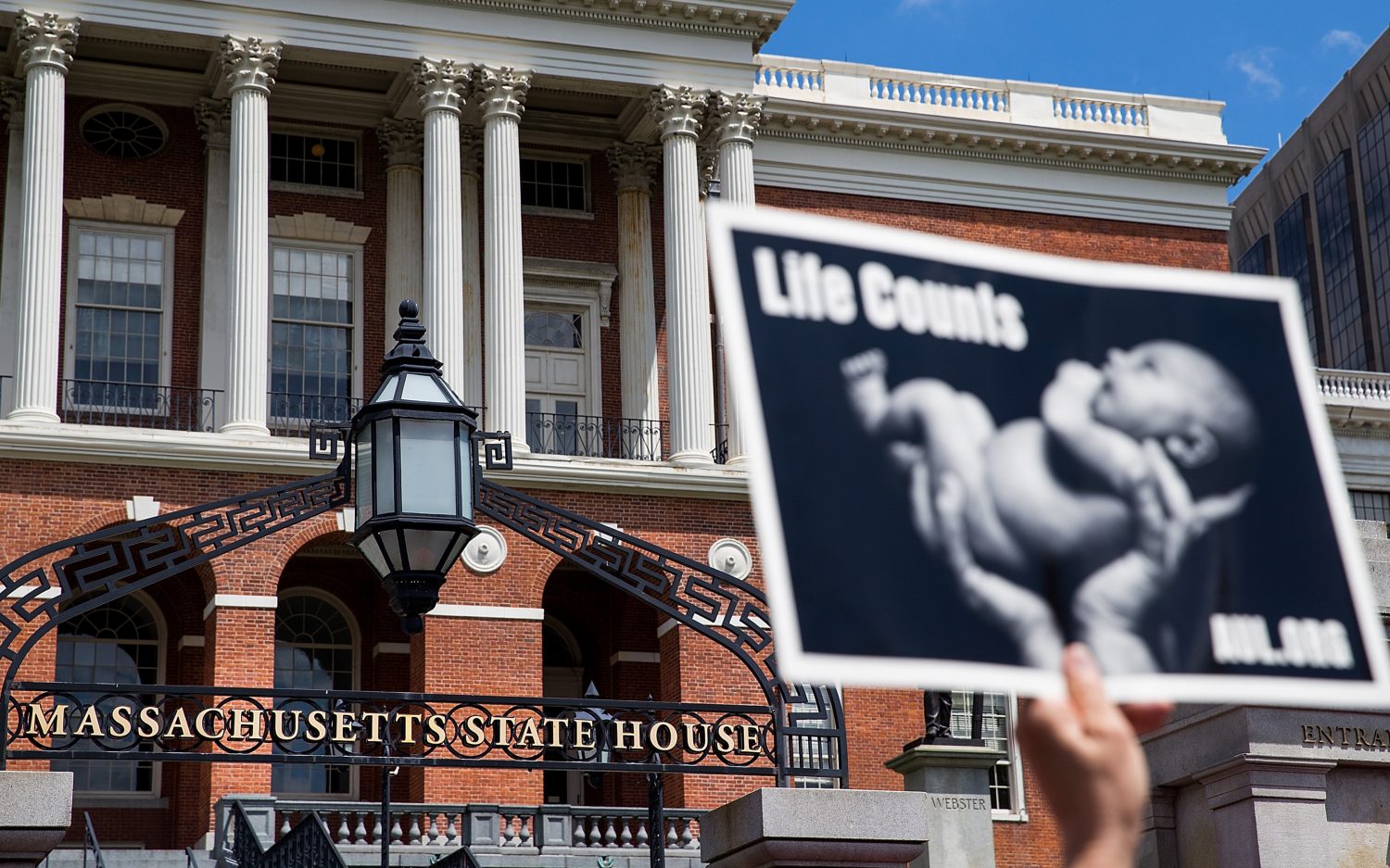
Massachusetts House Rep. Alan Silvia only had a few hours’ notice one day in late July that the House would be voting on a new pro-abortion law. “Every year there seems to be an attempt to make an adjustment to the abortion laws in Massachusetts,” Silvia said. “This time they’ve gone too far.”
This summer, Massachusetts lawmakers passed a bill that stripped unborn babies in the state of any protections from abortion. Silvia, a pro-life Democrat from southeastern Massachusetts, was one of just 10 of the 132 Democrats in the state House to vote with all 25 Republicans against the bill. The state Senate approved the measure on July 30, and Gov. Maura Healey signed the bill into law on Aug. 10.
“We give a lot of effort and concern for saving the whale and saving stray cats and very little thought into killing babies,” said Silvia, who has a long history of voting against pro-abortion measures. He says the vast majority of his constituents support his position and that more of his fellow lawmakers may privately share his beliefs. “I know that there are some that would, if given the opportunity again, I think would vote no,” he said.
Now pro-lifers in Massachusetts are mobilizing to find that support and stop the measure before it takes effect on Nov. 8. If they can gather enough signatures on a referendum petition by late October, they may have a chance to suspend the law until voters can weigh in at the ballot box in 2028. Churches and other places of worship in the state have allowed pro-lifers to collect signatures before and after Sunday services. Despite Massachusetts’ general hostility to pro-life efforts, the people and groups behind the petition say they already see growing support from residents and religious leaders.
While Massachusetts law had previously protected babies from abortion after 24 weeks of pregnancy in most cases, the new law allows an abortionist to kill a baby up to birth for any reason. Now Massachusetts is one of 10 states and the District of Columbia to have no restrictions on abortion at any gestational age.
Massachusetts is considered a Democratic Party stronghold, and the party regularly votes in favor of pro-abortion policies. “We’re expected to vote with the party, but I vote for my constituents,” Silvia told me. He said that he and other Democrats who voted against the new law believed that even for the people they represent who support abortion to some degree, allowing abortion up to birth for any reason went too far.
“This law was different because it crossed such a fundamental ethical line,” said Myrna Maloney Flynn, president and CEO of Massachusetts Citizens for Life. Not only does the law strip protections from unborn babies, it also removes the requirements that abortionists perform late-term abortions in a hospital and that the state track how many babies are killed in the third trimester. “It endangers women. And that is something that I think people here became angry about,” said Flynn.
Gov. Healey and other lawmakers framed it differently, claiming that late-term abortions are a standard treatment for women or babies facing difficult diagnoses. “Families facing devastating pregnancy complications deserve compassion, support, and the ability to receive care from the doctors they know and trust,” said Lt. Gov. Kim Driscoll.
Meanwhile, pro-lifers across the country called the bill “barbaric,” and Flynn said her supporters immediately began calling to see if there was any way to stop it from taking effect. So in early September, Massachusetts Family Action and Massachusetts Citizens For Life created the Compassionate Care Coalition and filed a petition to repeal the new law. The Massachusetts Family Institute and Democrats for Life of America have since joined the group, and Flynn serves as their communications representative.
Under state regulations, the coalition can place the law on the November 2028 ballot for voters to consider provided that they collect 37,289 certified signatures by Oct. 23. With 49,716 signatures, they could suspend the law until voters have a chance to weigh in. “It’s not that often here in Massachusetts when pro-lifers actually have a shot at making meaningful change and fighting back,” Flynn said. “But this is one of the times that we do have a shot at success.”
Though they only need about 50,000 signatures, Flynn said the group aims to double that number. “We know from past signature attempts that the secretary of state’s office will disqualify signatures, entire sheets of signatures, for the most minute reasons,” she said. Anything from stains on pages to illegible signatures could put the petition at risk, Flynn said, so the coalition has been training volunteers to carefully explain to signers how to add their names.
Volunteers began collecting signatures in earnest during the last weekend of September at public gatherings across the state. Pastors and rabbis have invited the group into their houses of worship to share more details about the deadly law and to gather signatures from congregants. And this past weekend, Roman Catholic churches also granted the group permission to speak with worshippers attending Mass.
“The Catholic Church is not a political body, and it is very discerning and very cautious about if or when it gets involved to this degree,” Flynn said. The state’s bishops have openly opposed the law, and on Sept. 24 they published a letter encouraging Catholics to speak up in defense of the unborn and to sign the petition. “At the end of the day, the bishops realized that there are times when they are called as shepherds to lead in a way that is a little uncommon,” Flynn said.
Even if the coalition does secure enough signatures to suspend the law, the governor has the emergency power to override their efforts. Healey has not said if she would invoke that ability, and even if she did, the measure would still appear on the ballot in 2028.
Flynn and the coalition are hopeful. “We don’t have a ton of numbers of signatures yet, but we know that we can do this just based on what we’ve seen so far,” she said. “People say that there’s always opportunity in a crisis. And to a large degree that’s what we’re witnessing here.”


I so appreciate the fly-over picture, and the reminder of God’s faithful sovereignty. —Celina
Sign up to receive Vitals, WORLD’s free weekly email newsletter on the pro-life movement.
Please wait while we load the latest comments...
Comments
Please register, subscribe, or log in to comment on this article.