
Only as good as the source
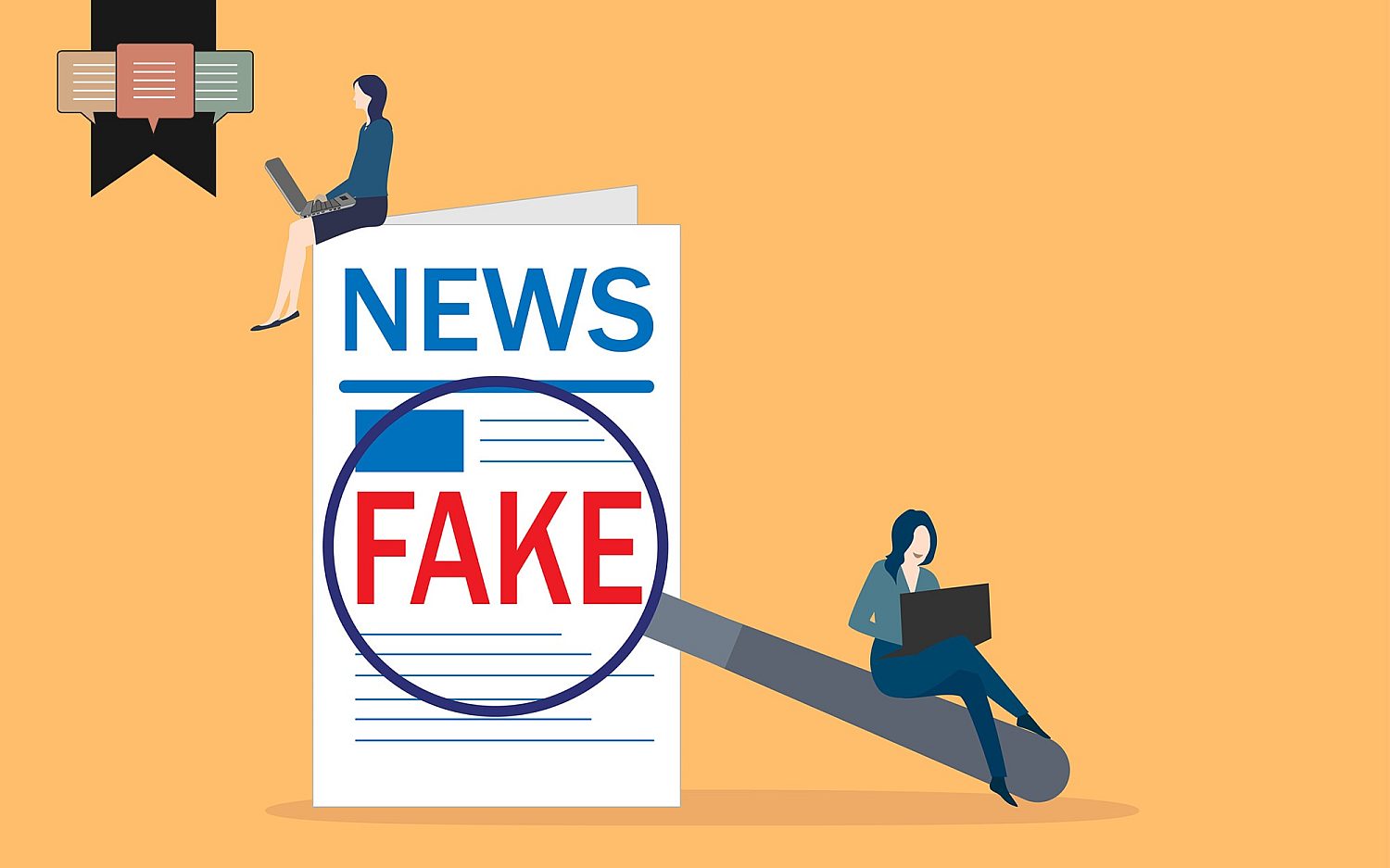
Does the reporting of a fake poll reflect bias or bad journalism?
Maria Stavreva / DigitalVision Vectors via Getty Images
Full access isn’t far.
We can’t release more of our sound journalism without a subscription, but we can make it easy for you to come aboard.
Get started for as low as $3.99 per month.
Current WORLD subscribers can log in to access content. Just go to "SIGN IN" at the top right.
LET'S GOAlready a member? Sign in.
Well … it turns out some of the polls were wrong. In fact, some were fake.
That’s not a prediction, but now part of the 2026 election record.
“Wedgewood Polls” admitted on last week to faking data after polling aggregator FiftyPlusOne questioned its methods. Wedgewood—whatever it was—disappeared online after the admission, claiming it was running an experiment to highlight, “a systemic breakdown in media vetting and data aggregation.”
Mission accomplished. No lesser media elite than the mighty New York Times was caught in the fake data web, along with Newsweek, MS Now, and Politico. While political types on all sides are plenty mad about the bad numbers that favored left-wing candidates, in my opinion not enough ire is focused on the news media who passed on the slop.
I won’t give any news organization a break for seizing on data that confirmed the Trumpists in Trouble narrative, but I do wonder how much of this can be attributed to sloppy journalism and butchered newsroom staffs rather than liberal bias.
Anyone reading national publications online these days can put their high school grammar to use and spot all manner of typos, punctuation, and mechanical problems. Copy editors have left the building, and, frankly, most writers need one.
More egregious, however, are personnel cuts that eliminated layers of source checking and attribution. This is no excuse, either, but merely context that explains how something bogus can get out there with fewer wise eyes checking it over.
It also shows some journalists aren’t just under-resourced, biased, or deadline-stressed, but often downright lazy. Data looks legit when it’s branded on a screen, but a national journalist is supposed to doubt something “out there on the socials” way more than my college students do.
I was a graduate student at the University of Tennessee in 1995 when a public relations class conducted a little vetting experiment of its own—sending a fabricated news release to several hundred organizations across the state with one simple request: If you intend to publish this item, call the number at the bottom of the page for clarification.
You guessed it—many newspapers ran the release as is—no call, no check. Tennessee communication students were doing #fakenews before it was cool, just with an educational purpose. Responses raged on in the student newspaper for days, including a supportive editorial from a young Ph.D. student and professor-curmudgeon wannabe. I thought then and still believe the class experiment was appropriate for a university charged with teaching students to do the work of media and think critically about why.
Journalism is hard. Truth is elusive. Some officials don’t want to tell you what’s really going on unless it serves their purpose. Most reporters I’ve known are a bit cynical, either because they’ve been lied to, manipulated into shilling talking points, or blocked outright from information their readers need.
However, none of these challenges excuses publishing thin or fake information that should have been checked. As an observer who’s defended journalists, I’m angered any time sloppy work shoots the field in the foot.
Veteran reporters say, “if your mother says she loves you, check it out.” Whether that’s a real quote or newsroom legend, the teaching point is sound: “If you don’t have it, don’t run it.” You’re only as good as your sources, and if you really don’t know what something is—like a “polling firm” with an X account—then you probably never had a fact in the first place.
Maybe we should go back to the original definition of “poll”—the place where people go to vote. Wait through Election Day. Count the ballots. Report the count. Let the numbers declare the winner—not a media “Decision Desk.”
If all news organizations would devote more resources to shoe-leather reporting and less to speculative enterprises such as polling, we might restore a little sanity and accuracy to our elections and our news coverage. Until then, the artificial, shallow, and fake will still fool some of the people some of the time. We need journalists to be journalists again.


These daily articles have become part of my steady diet. —Barbara
Sign up to receive the WORLD Opinions email newsletter each weekday for sound commentary from trusted voices.Read the Latest from WORLD Opinions
Ted Kluck | AI and the Christian university, a faculty hand-wringing barometer

Daniel Darling | School district’s agreement with ministry will benefit students and schools

Jonathan E. Swan | Missouri’s quiet move towards pure democracy and away from American representative government
A.S. Ibrahim | French leaders won’t say who is behind violent protests, and they make sure it’s impossible to find out

Please wait while we load the latest comments...
Comments
Please register, subscribe, or log in to comment on this article.