
Where’s the beef?
America’s cattle farmers struggle to keep pace with growing demand
Photo by Robin Rayne / Genesis
Full access isn’t far.
We can’t release more of our sound journalism without a subscription, but we can make it easy for you to come aboard.
Get started for as low as $3.99 per month.
Current WORLD subscribers can log in to access content. Just go to "SIGN IN" at the top right.
LET'S GOAlready a member? Sign in.
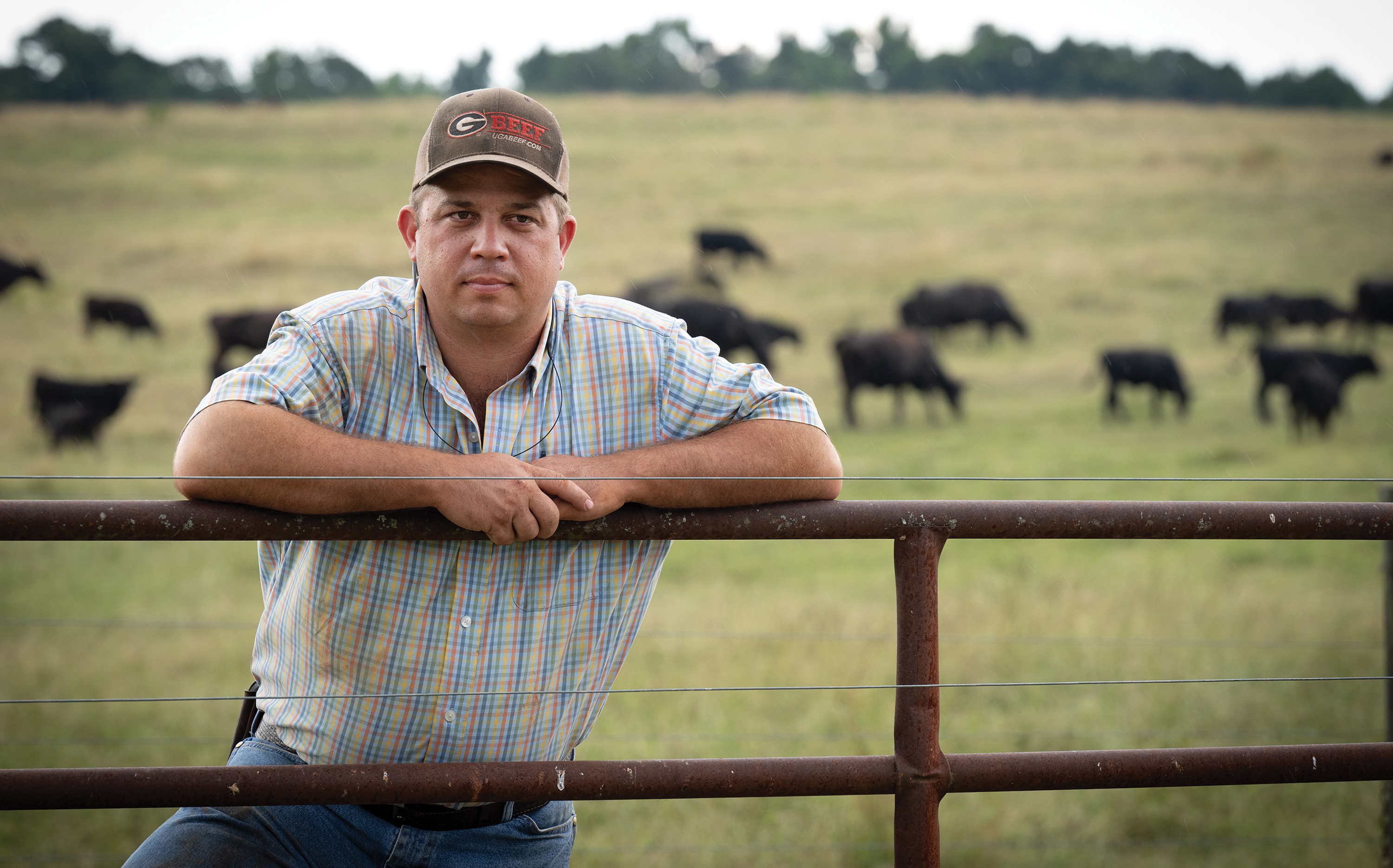
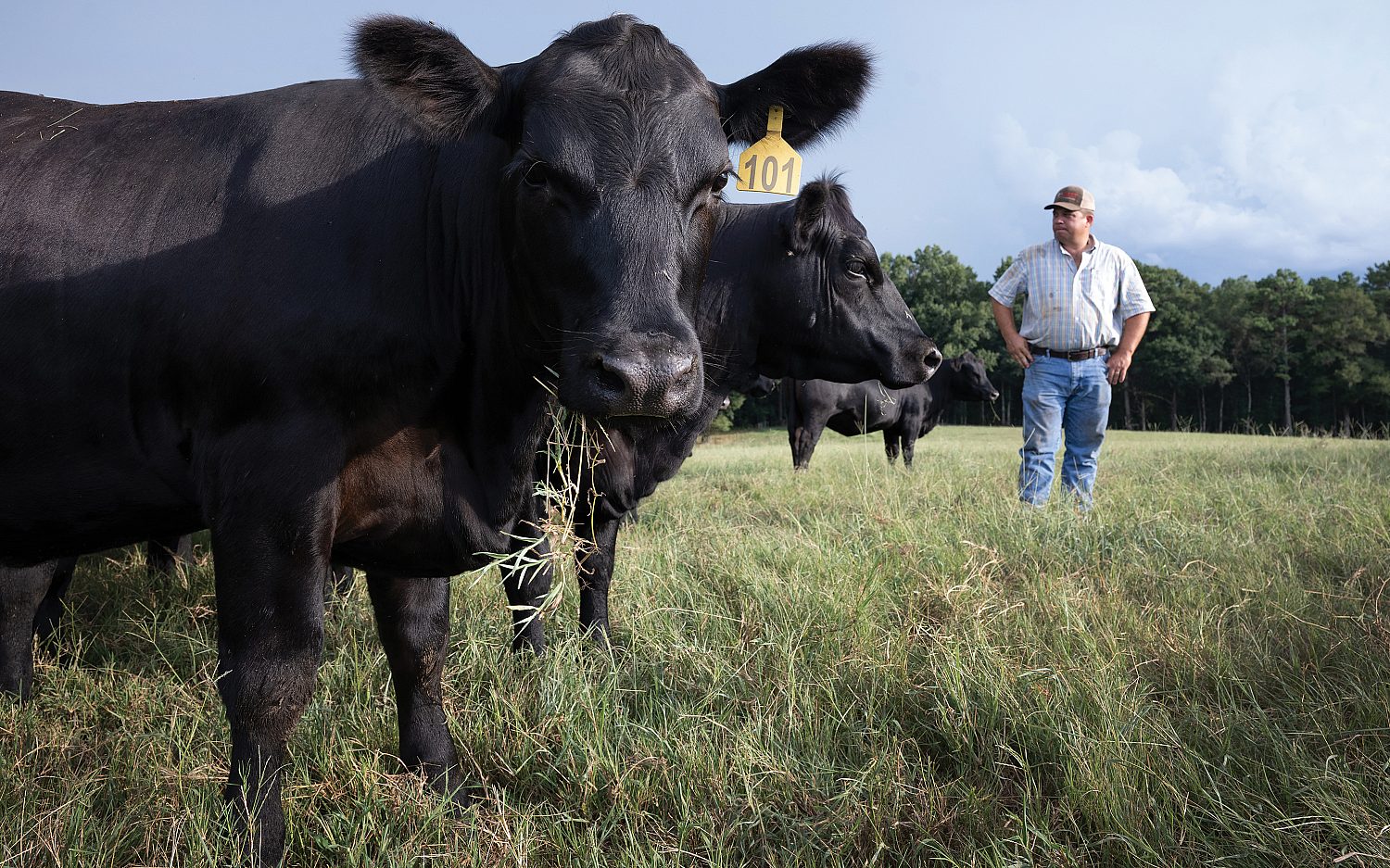
Caldwell Farms manager Will Godowns says it’s “hard to find peace in it when you can’t make it profitable.” Photo by Robin Rayne / Genesis
A few miles from an old ice house and a red barn that hosts bluegrass sessions every Friday night, over 400 cows graze the lush green grass at Caldwell Farms, flicking their tails at swarming flies. The 600-acre farm in Concord, Ga., sells Angus beef to local restaurants and farmers markets. Farm manager Will Godowns is particularly proud of its evenly marbled rib-eyes and ground brisket hot dogs.
On an overcast morning in late May, Godowns ducks through the open passenger window of farm owner Stephen Goodman’s truck to chat. Just yesterday, they agreed to raise beef prices once again. But that won’t help their overall problem. “The farm’s still losing money,” Godowns tells me, noting that the recent change in its business model hasn’t helped.
Caldwell Farms used to be a cow-calf operation, meaning the owners raised young cows and sold them to a feedlot that would fatten up the animals for slaughter. About six years ago, the feedlot went broke. So the Goodmans made the pivot to sell their beef straight to consumers.
Now that the Goodmans determine how much to charge for each cut of meat, the farm’s income has increased. At the same time though, the cost of raising a cow from birth to ground beef has skyrocketed. At the start of the summer, the Goodmans decided to raise prices by 15%, charging $10 for a pound of ground beef. The latest increase brings the overall price hike total to 35% over 18 months.
Godowns finds the farm’s inability to outrun soaring expenses deeply discouraging. “God entrusts us with His land, His animals, and we get to get up every day and farm,” Godowns said. “But it’s hard to find peace in it when you can’t make it profitable.”
Across America, cattle ranchers and farmers are struggling to sustain their way of life. The cost of land, equipment, and fertilizer has steadily increased, making it hard just to break even, especially when the payoff for raising a cow is nearly impossible to predict.
Those market pressures are squeezing the nation’s ability to feed hungry consumers. In 1975, the national cattle herd amounted to more than 132 million head. Now, just over 86 million cattle roam America’s farms and ranches. And consumers are feeling the pinch. The average cost of a pound of ground beef hit $6.89 this year compared to about $2.50 in 2010.
As fewer farmers can afford to keep raising cows, and children are increasingly reluctant to take on the family business, it’s unclear how long a dwindling herd can sustain the nation’s growing demand for beef. Although the average American may want to support domestic farms, some can only afford to buy whatever’s cheapest at the grocery store. And if the current trend continues, the cheapest beef won’t come from Texas and Montana but Brazil and Canada.
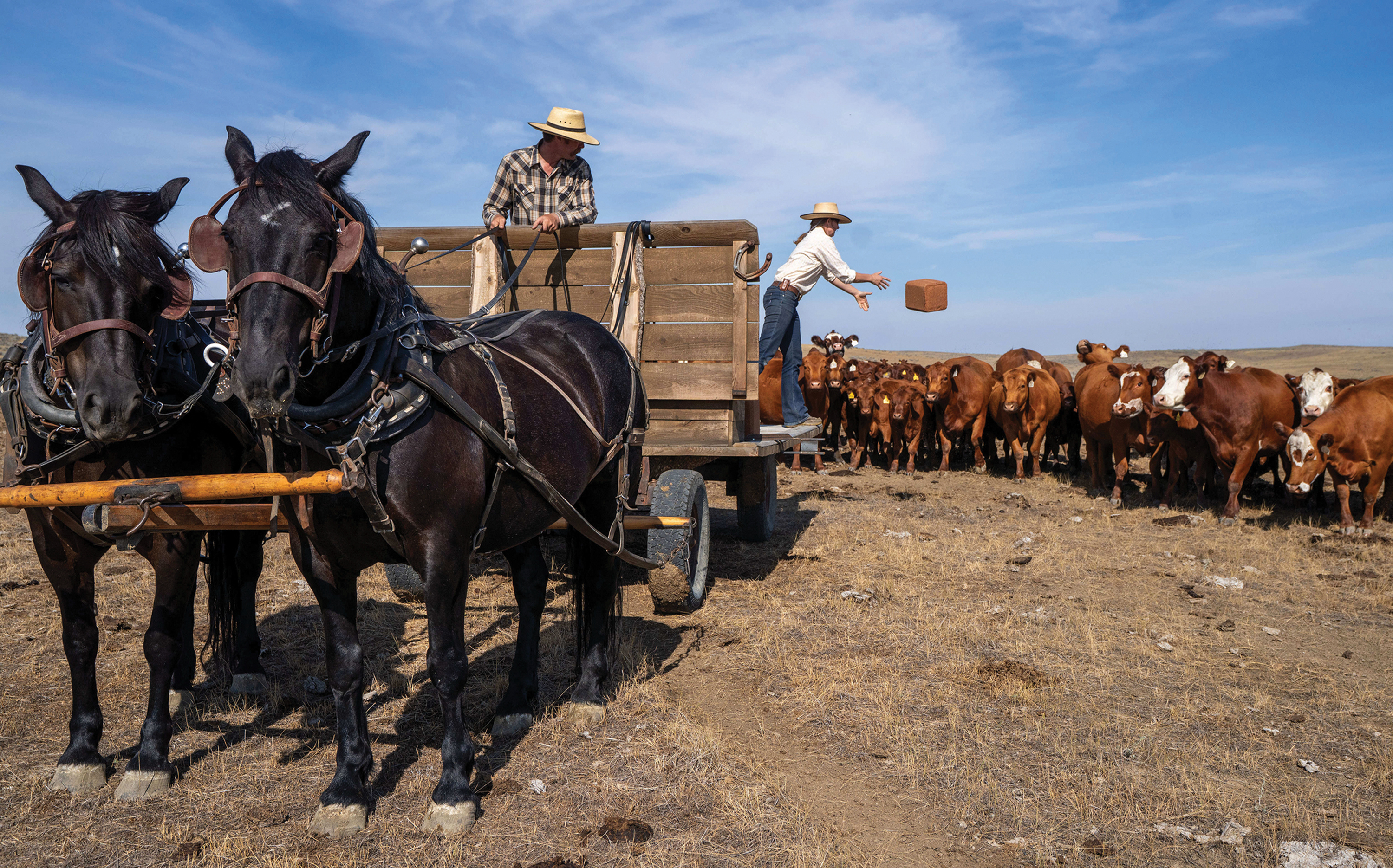
Bart and Heather Bilden work their Coulee Creek Ranch. Photo by Stuart Thurlkill / Genesis
HEATHER AND BART BILDEN own Coulee Creek Ranch in Montana. Heather would like to herd cattle full time, but they can’t afford it. Heather works a second job as a marketing consultant for a local nonprofit. She helps with the farm before and after work and on weekends. To keep equipment costs low, the Bildens use draft horses to pull irrigation systems and mowers.
For many cattle producers, running a farm is simply becoming too costly. According to equipment financing program AgDirect, the price of a new tractor rose by about 275% between 1990 and 2024. Rising fuel prices have also cut into profits. Between February and April, diesel fuel prices increased by almost 50%, largely due to fallout from the war in Iran.
In 2021, the Bildens had to sell 90% of their herd because drought in their area had become so severe. To supplement their income, they installed irrigation systems and grew hay to sell. According to Heather, diversifying their cow-calf operation has been “a key to staying in business.”
Drought has been a major driver of farm closures across the country. Between 2017 and 2022, roughly 106,000 beef ranchers exited the industry.
The Bildens sell some of their beef directly to consumers, but they also sell young cattle at auctions. This means that for the majority of their farming income they remain at the mercy of an ever-fluctuating live cattle market.
In October 2025, the Bildens called their buyer only to learn that cattle prices had plummeted. That very day, President Donald Trump said he would prioritize importing more beef from Argentina, prompting the market to fall. Worried that prices would keep dropping, the Bildens decided to take the loss. They sold 20 calves for around $300 less per head than they had expected.
“That hurt,” Heather said.
It takes about two years to raise a cow for slaughter, but a fattened cow’s meat is only good for a short period of time. Many cattle producers like the Bildens don’t have the option of waiting for better prices. “As suppliers of the live animal, we don’t know what the market’s going to bring in a year,” she said. “It is a risky business to be in.”
Bill Bullard, CEO of cattle and sheep farmer advocacy group R-CALF USA, attributes the volatile cattle market to “merger mania” among meat packers. As recently as 40 years ago, four major meat packers—JBS, Cargill, Tyson Foods, and National Beef Packing Company—slaughtered cows for about 36% of cattle operations. By the mid-1990s, those operations had taken over 80% of all cattle slaughtering in the United States. The prices given by the packers influences the value of cows from the feedlots all the way back to the farm, leaving cattle farmers with a smaller share of profits, Bullard said. On Aug. 28, Trump announced plans to allow farmers and ranchers to process their own food. Ranchers cannot process and sell beef unless it meets certain USDA requirements.
David Anderson, a professor and extension specialist at Texas A&M University’s Department of Agricultural Economics, believes meat packers have some leverage over the cattle market, but he doesn’t think they’re entirely to blame for the shrinking herd. For one thing, he argues, packing plants can function more efficiently on a large scale, so it makes financial sense for them to consolidate. Anderson is also skeptical of any monopoly accusations. “Right now meat packers are losing money,” he noted. “So if they’re monopolists, they aren’t very good at it.” In August, Tyson Foods lowered its annual profit forecast, anticipating an operating loss of $500 million to $650 million for its beef business this year. JBS recently announced it would close two plants, resulting in the loss of nearly 2,000 jobs.
ROBERT FORST IS PART OF the sixth generation to herd cattle on Stuart Ranch in Waurika, Okla. He says the family business has stayed afloat partly because he and his brother Clay were willing to take it on. Becoming a rancher is never an easy calling, he says, and the animals don’t recognize vacation time or holidays.
“When it’s Christmas morning, we typically go feed [the cows], come back, and then open Christmas presents,” Forst said. That kind of commitment is increasingly rare among the younger generations, he added.
Since operating a farm has become less profitable and harder to maintain, many children and grandchildren pass the buck on taking over, contributing to the overall decrease in the national herd. That could become a major problem in the next few decades. Per the most recent census from the USDA, the average age of farmers and ranchers is just under 60. The owners of about 300 million acres of farmland will die or retire within the next 20 years, according to American Farmland Trust. Inheriting generationally owned land can bankrupt a cattle operation due to heavy estate taxes. That provides an incentive for children to close the farm and sell the land to a developer.
Forst can only pray some of his own children will take on the tedious upkeep of Stuart Ranch when the time comes. “If they’re willing to take the reins then great,” he said. “If not, well another [ranch] went under.”
But urging kids to become farmers and ranchers might not turn the industry around, says Tim Gibbons, the executive director of the National Family Farm Coalition. “Kids will come back to the farm if we had policies to ensure that they were going to make a living doing it,” Gibbons said. One major policy he hopes to see implemented: Mandatory Country of Origin Labeling.
American beef was once more of a premium product compared to its imported counterpart. Beginning in 2009, Congress required beef packaging to indicate whether the meat had been cultivated on U.S. soil or abroad. But because of a challenge from the World Trade Organization, origin labeling for beef, pork, and chicken was remanded in 2015.
At the grocery store, consumers can no longer distinguish between ground beef that came from a cow raised in Argentina or Oklahoma. Both packages may display “USDA” labeling. Bill Bullard says that means shoppers can’t really make informed buying decisions. It also makes it harder for American farmers to stand out. “If we had mandatory country of origin labeling, we would likely see a significant price differential between the cheaper imported product and the domestic product,” Bullard said. Bills to codify origin labeling into law have been introduced in both chambers of Congress, but neither piece of legislation has made much headway.
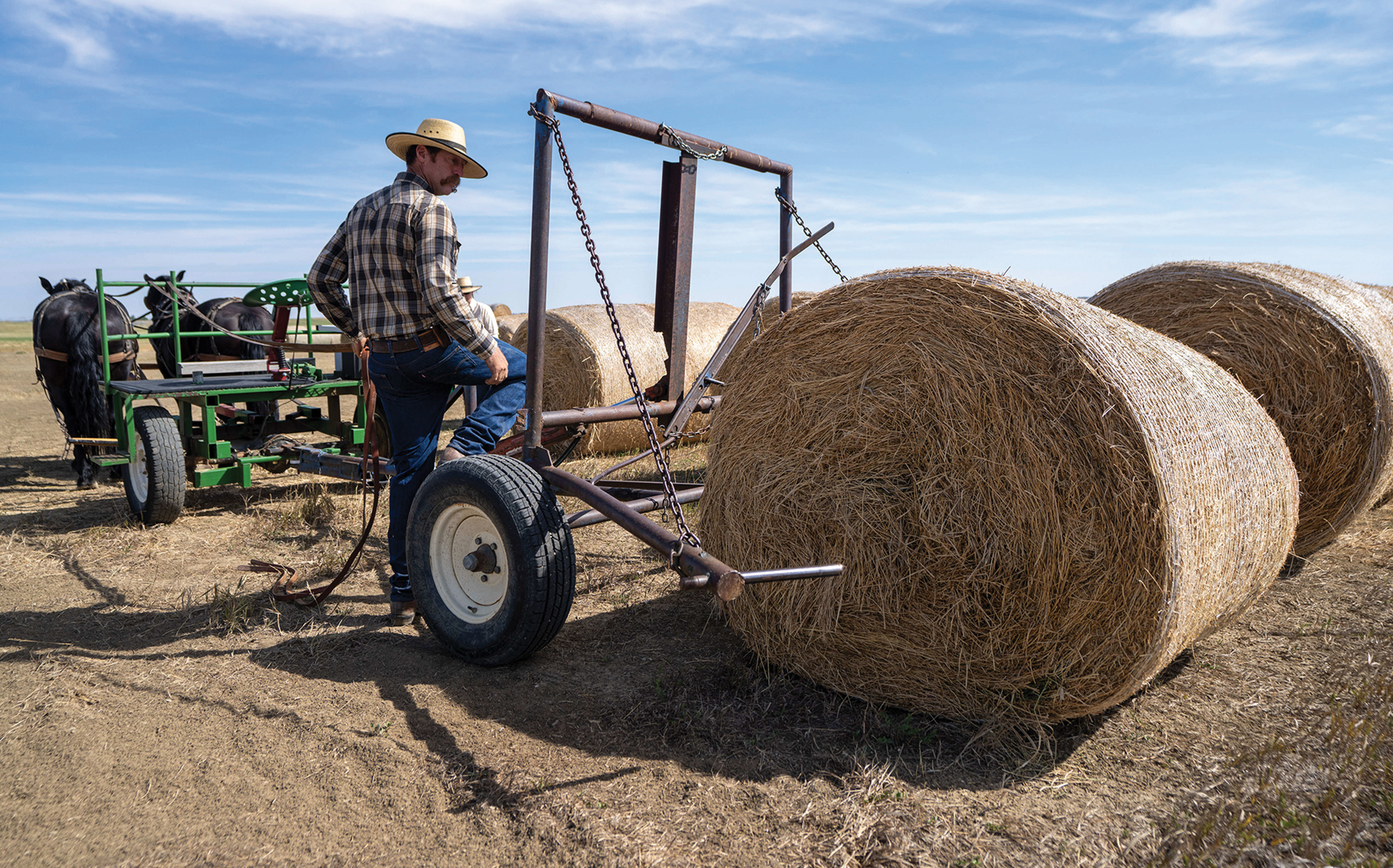
Bart and Heather Bilden work their Coulee Creek Ranch. Photo by Stuart Thurlkill / Genesis
ASIDE FROM A BRIEF DIP LAST YEAR, prices for live cattle have risen fairly steadily since 2020. But that’s not necessarily positive news. “The reason [farmers] are enjoying these higher prices is because over half of their fellow cattle producers exited the industry,” Bullard said.
Still, David Anderson feels pretty “optimistic” about the long-term health of the beef industry. “The price signal is there, to expand. We just haven’t quite been able to do that yet,” he added.
For the past five years, the Bildens in Montana have tried to get their herd back to its pre-drought size of 70 cows. Last fall, they kept 20 heifer calves for breeding instead of sending them to auction. “It’s a tough decision to make because you have to be weighing the variables of, might the market crash again?” Heather Bilden said. Because of such volatility, Bullard said the majority of ranchers haven’t expanded.
On Aug. 31, the USDA announced “The Ranchers First Initiative” aimed at encouraging domestic farmers and ranchers to rebuild their herds. The plan will establish a protected value for retaining a heifer for two years and provide additional economic assistance for new ranchers.
Anderson believes many ranchers will risk rebuilding. Another reason for his optimism? Since the 1970s, ranchers have bred and raised cows to heavier weights. Cattle numbers have certainly gone down, “but if we look at beef production, the trend is higher,” Anderson said. Production has actually increased by 12% since 1975. Last year, the nation produced roughly 26 billion pounds of beef. “That productivity growth, that growth in pounds per animal, has been pretty amazing,” Anderson said.
But Matthew Garcia, the director of ranch management at Texas Christian University, believes fewer, heavier cows won’t sustain growing demand indefinitely. Despite rising grocery store prices, the average American eats roughly 80 pounds of beef per year. Consumption keeps rising, partly due to renewed interest in protein and changing perceptions about red meat. “The reason we’re able to [meet demand] right now is we’re operating with enough functioning ranches to do so,” Garcia said. “We’re losing more ranches every single day. So at some point we’re going to hit that breaking point of what we’re able to supply.”
More imports are likely to fill the gap. Imported beef currently makes up a small part of overall supply at around 10%. Foreign imports of live cattle have dropped some due to tariffs. And the U.S. blocked imports of Mexican cattle last year because of concerns about the New World screwworm. But overall imports have increased from about 2.4 billion pounds in 1990 to roughly 4.6 billion pounds in 2024.
Although foreign imports make it harder for U.S. farmers and ranchers to stand out, they’re increasingly necessary to boost America’s falling supply of beef and cattle. On Aug. 21, Trump announced a deal to eliminate tariffs on up to 300,000 metric tons of imported ground beef for 90 days. The beef will be sold at 25% below market value. “This deal will reduce prices for Americans while giving space for our Great American Beef Herd to grow again,” Trump wrote on Truth Social.
In a press release from R-CALF, Bill Bullard said the president’s decision won’t actually benefit the cattle industry since it undermines the value of domestic beef, removing the incentive for America’s ranchers to rebuild their herds.
Bullard believes the import countermeasure doesn’t really help consumers or the domestic food chain either. “Our increasing reliance on an imported product ultimately threatens our national security,” he said.
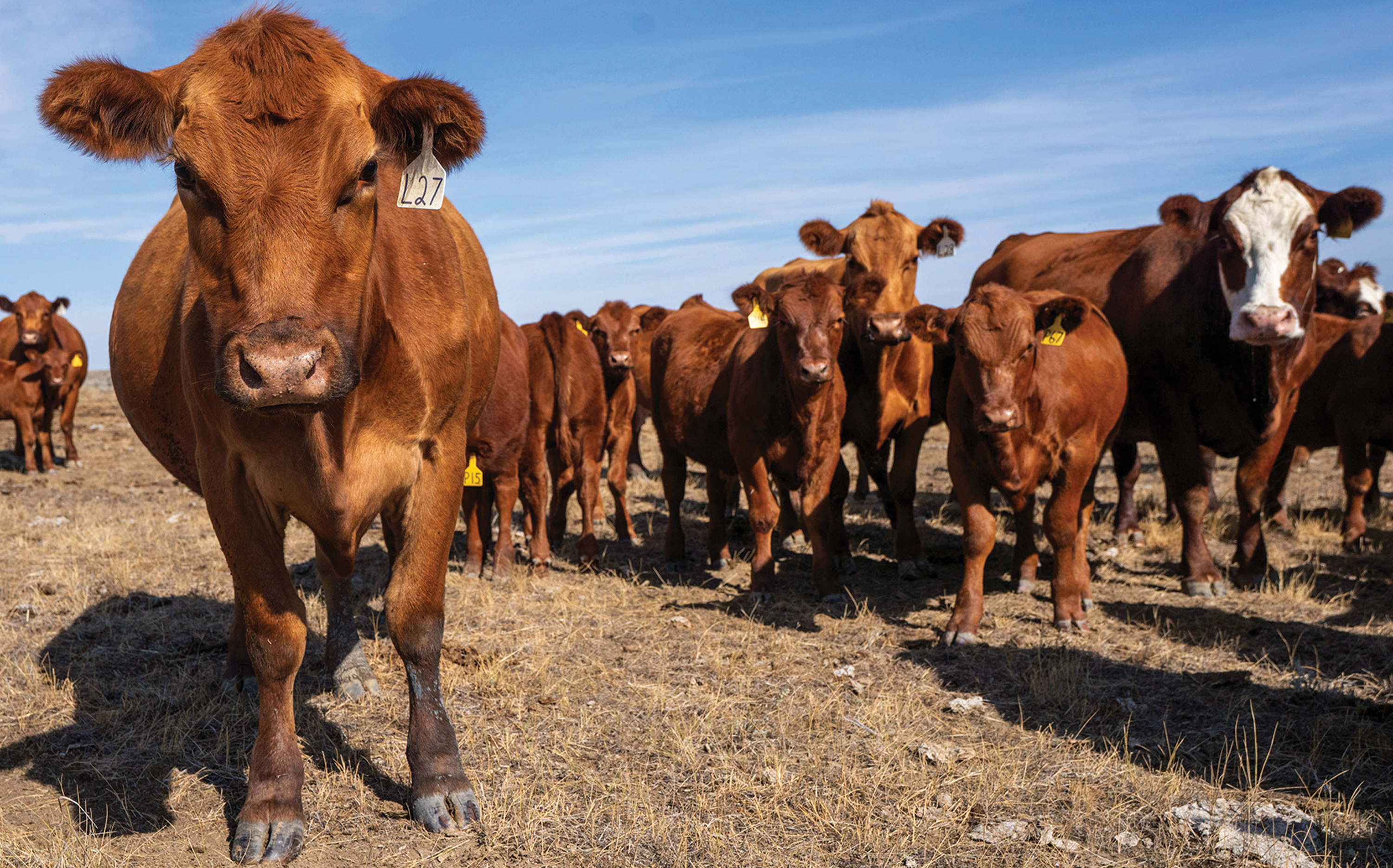
Photo by Stuart Thurlkill / Genesis
LOOKING OVER VERDANT PASTURELAND and a pole barn stacked with round hay bales, Will Godowns isn’t sure how long Caldwell Farms can continue to operate at a loss. Having more land would help. With more space for cattle to graze, Godowns says they wouldn’t have to spend so much on fertilizer and chemicals since the grass would have more time to rest between grazing rotations. But with so much farmland being developed, it’s difficult for cattlemen to expand their footprint and rely on economies of scale.
Once farmland turns into a site for a data center or a new neighborhood, it’s almost impossible to reconvert it. “You can make more tractors, you can make more fences, you can make more trucks,” Godowns said. “You can’t make more land.”
If Caldwell Farms can’t find customers willing to pay a mounting premium, the Goodmans have two options: reconvert to a cow-calf operation or sell off most of the herd and become a hobby farm. Neither door looks promising. “It’s a lot of weight for a man to be handed something that generations have poured their life into and kept together and then have to look at it and say, ‘I don’t know how I can do it,’” Godowns said.
He admits his perspective may sound bleak, but Godowns isn’t inclined to despair. Inside the farm’s sheet-metal-walled office hangs a whiteboard with the phrase “His sovereignty is my sanity.” Godowns says that assurance permeates the farm.
“Caldwell Farms succeeding or dying is not [my] identity. Our identity is in God,” Godowns said. “You just have to say, all right, God, You’ve brought men through this before. And even if You don’t bring me through it, You’re doing it for a reason.”

Please wait while we load the latest comments...
Comments
Please register, subscribe, or log in to comment on this article.