
The spirituality of silence
BOOKS | A new book asks Christians to step away from the noise
Full access isn’t far.
We can’t release more of our sound journalism without a subscription, but we can make it easy for you to come aboard.
Get started for as low as $3.99 per month.
Current WORLD subscribers can log in to access content. Just go to "SIGN IN" at the top right.
LET'S GOAlready a member? Sign in.
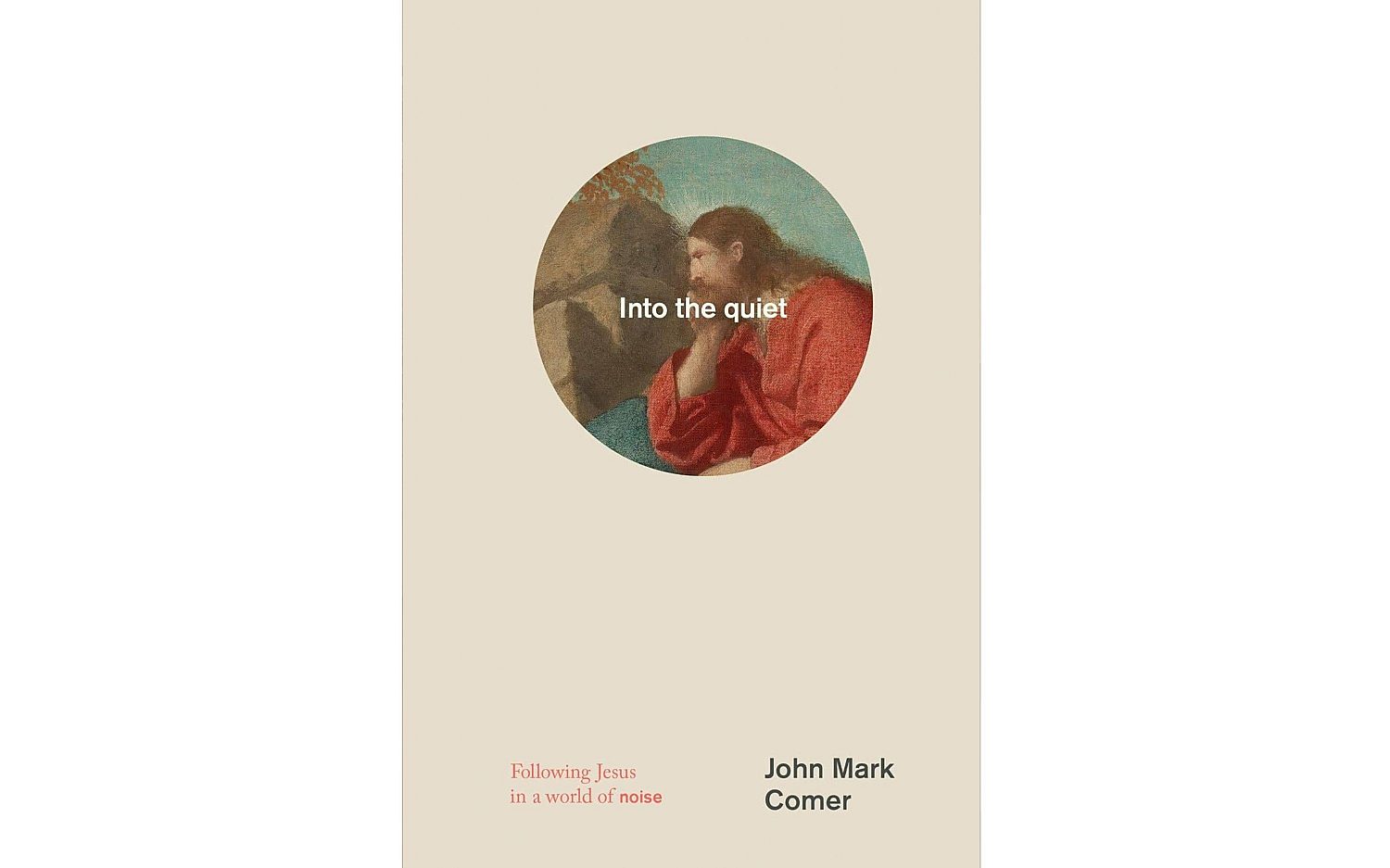
What John Mark Comer has done in past books on hurriedness and spiritual formation, he attempts in his newest book, Into the Quiet (WaterBrook, 304 pp.). That is, to compel readers to see a problematic side of culture and cultural Christianity and take intentional steps to reorient their lives.
Into the Quiet focuses on the noise of the modern world. “We are the first generation in the history of the world for whom it is possible––even normal––to completely banish quiet from our lives,” Comer writes. He argues the average Christian in the digital age attempts to find a path to God devoid of time alone in silence or untethered from devices. Constant noise leaves us feeling “hollow, distracted, and frayed,” he writes. More often than not, we struggle with quietness and what it brings up in our souls.
Comer prescribes cultivating the practices of solitude, silence, and stillness. Readers familiar with his multimedia ministry and 2024 book Practicing the Way will recognize his emphasis on the lifestyle of Jesus. Into the Quiet draws upon gospel accounts of Jesus’ withdrawal to the wilderness to pray and “meet with God,” before reentering his work and ministry. Comer calls this pattern of retreat and return “the twin pillars of Christian discipleship.”
He supplements his biblical interpretation with views from a range of other authors and faith traditions, from ancient monastic teachers––“Desert Fathers and Mothers”––to more recent Trappist monks and mystical strands of Christianity. He describes his own struggle with silence and takes readers along as he seeks to “de-noise” his life, from visiting an anechoic chamber, to frequent sojourns to a Roman Catholic monastery in Big Sur, to moving to the mountainous outskirts of Los Angeles, and building a poustinia, a small “prayer hermitage,” for church members.
Depending on one’s theological persuasion, Comer’s sources and undertakings could be inspiring or frustrating. That’s part of his broad appeal, but also why he has his critics, particularly from within Reformed circles.
Perhaps most valuable (and doable) are Comer’s nudges to evaluate the noise in our own lives. The book includes practical tips, such as making room for silence at the start and end of each day, getting out into nature, and taking walks without headphones and devices.
Still, critics of Comer and the so-called spiritual formation movement he’s part of will likely find more fodder here for one of their main criticisms––Comer’s overemphasis on Christian practices while underemphasizing Christ’s saving work. True to his style, Comer includes plenty of footnotes and disclaimers. In one chapter, he portrays practices, namely the pursuit of quiet, as “how we do what we can do so the Spirit of Jesus can do in us, by grace, what we currently cannot do” (emphasis his). He also acknowledges there’s a “both/and” tension of the active and contemplative life, retreat and return, solitude and community.
At times, Into the Quiet fails to capture that tension. For example, what exactly does Comer mean when he says the local church should aspire to be a “community for noise refugees”?
Comer concludes the book describing his return from a trip to the monastery and a flood of “anxiety-inducing” texts and emails trying to pull him away from the peace of God he experienced. As much as Comer’s story conjures up feelings of coming back from vacation or being off the grid, it also requires discernment. While attaining peace is indeed a struggle, the distractions and noise of real life are also evidence of good (and oftentimes hard) relationships and work God entrusts us with.

Please wait while we load the latest comments...
Comments
Please register, subscribe, or log in to comment on this article.