
The hit song you’ve never heard of
MUSIC | Streaming has destroyed music’s monoculture
Sam Fender (left) and Olivia Dean JMEnternational / Getty Images

Full access isn’t far.
We can’t release more of our sound journalism without a subscription, but we can make it easy for you to come aboard.
Get started for as low as $3.99 per month.
Current WORLD subscribers can log in to access content. Just go to "SIGN IN" at the top right.
LET'S GOAlready a member? Sign in.
’Tis the time of year that music publications start considering the year’s most influential artists and biggest albums. And, Ella Langley and “Choosin’ Texas” aside, they’re having more trouble than usual. Why? Because the shattering of the monoculture into minuscule microcultures is rendering the concepts “big” and “influential” irrelevant.
The monoculture, in case you don’t know, is what we First Worlders partook of every time we turned on our TVs and radios from the dawn of broadcasting until about 2010, when algorithms and smartphones began funneling us into individualized entertainment spaces and robbing us—slowly at first, then rapidly—of common enthusiasms and points of reference.
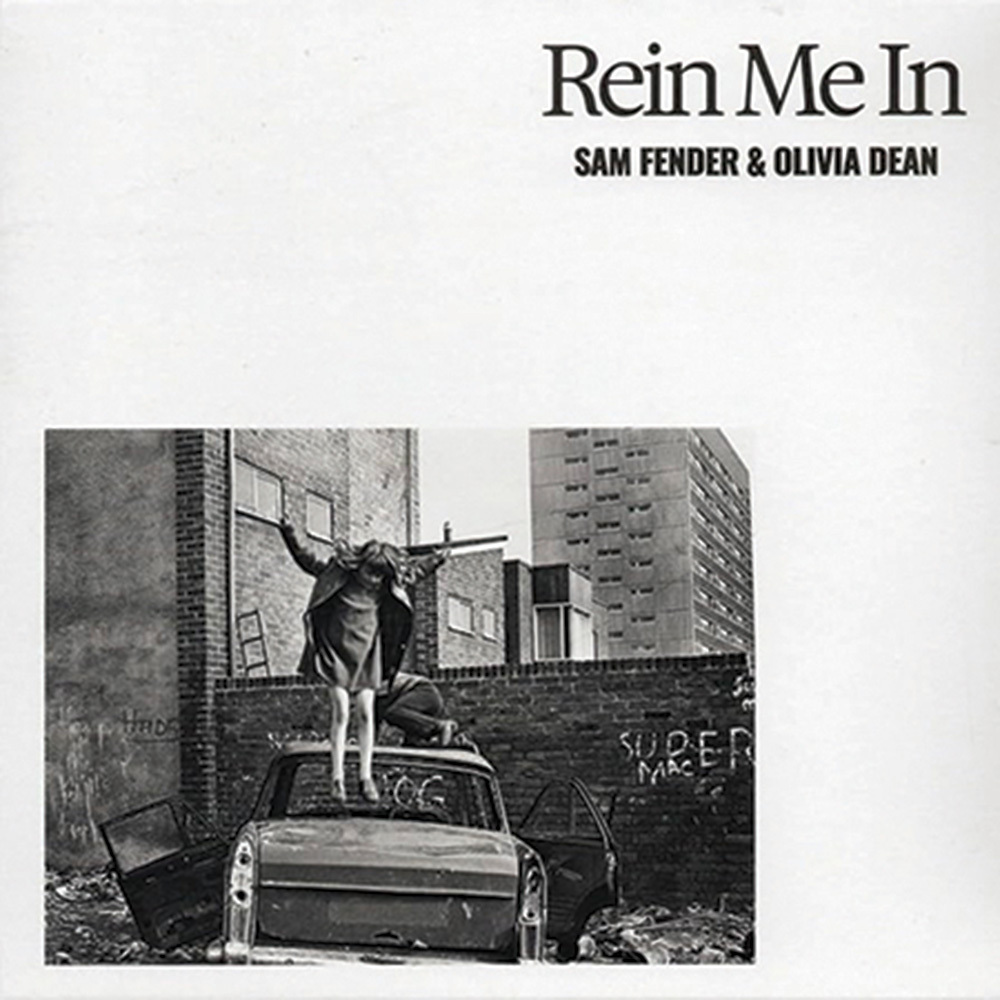
“Rein Me In” Sam Fender & Olivia Dean
One particular casualty of this phenomenon is “the charts,” the forum that mapped a song or an album’s popularity. The charts weren’t manipulation-proof (payola never really went away), but they painted a generally accurate picture.
Not so much now. Recently, Sam Fender and Olivia Dean’s “Rein Me In” spent 23 weeks at No. 1 in the U.K., becoming the longest-running British chart-topper in history. But there’s a horsefly in the ointment. In an article for The Guardian, Nadia Khomami revealed that the allegedly popular single was a lot like the tree falling in an unpopulated forest. “Demise of the monoculture” the piece was called. Its subhead: “why so many have never heard UK’s record-breaking No. 1 single.”
Such a piece would never have been written about the previous three record holders. Frankie Laine’s “I Believe” (18 straight weeks at No. 1 in 1953), Bryan Adams’ “(Everything I Do) I Do It for You” (16 weeks in ’91), and Wet Wet Wet’s “Love Is All Around” (15 weeks in ’94, though a lowly No. 41 Stateside) achieved their status in a way that felt earned. They’d been requested by people lighting up radio request lines and purchased by fans who’d left their homes, gotten into their cars (or boarded public transportation), and gone to record stores, people who voted with their wallets and their feet.
“Rein Me In,” on the other hand, benefited substantially from algorithms, a process in which “intentionality” often plays a surprisingly small role. And—here’s the kicker—it’s not a great song. It’s OK as pleasant, midtempo pop goes, but at 5:37 it overstays its welcome, and its F-bombs feel forced. (Hip-hop it’s not.) The song’s 25 million views on YouTube might look impressive, but multiple 2026 singles have more.
So, basically, we’re approaching the Tower of Babel stage of pop culture, wherein everyone has a different favorite song that nobody else knows or cares much about, and the charts, instead of providing reliable documentation, gaslight the gullible.
There are and will be exceptions (Ella Langley again). But they’ll be fewer and farther between. And we won’t be better off as a result.

Please wait while we load the latest comments...
Comments
Please register, subscribe, or log in to comment on this article.