
Splitting estates
ENERGY | Proposed BLM changes alarm landowners
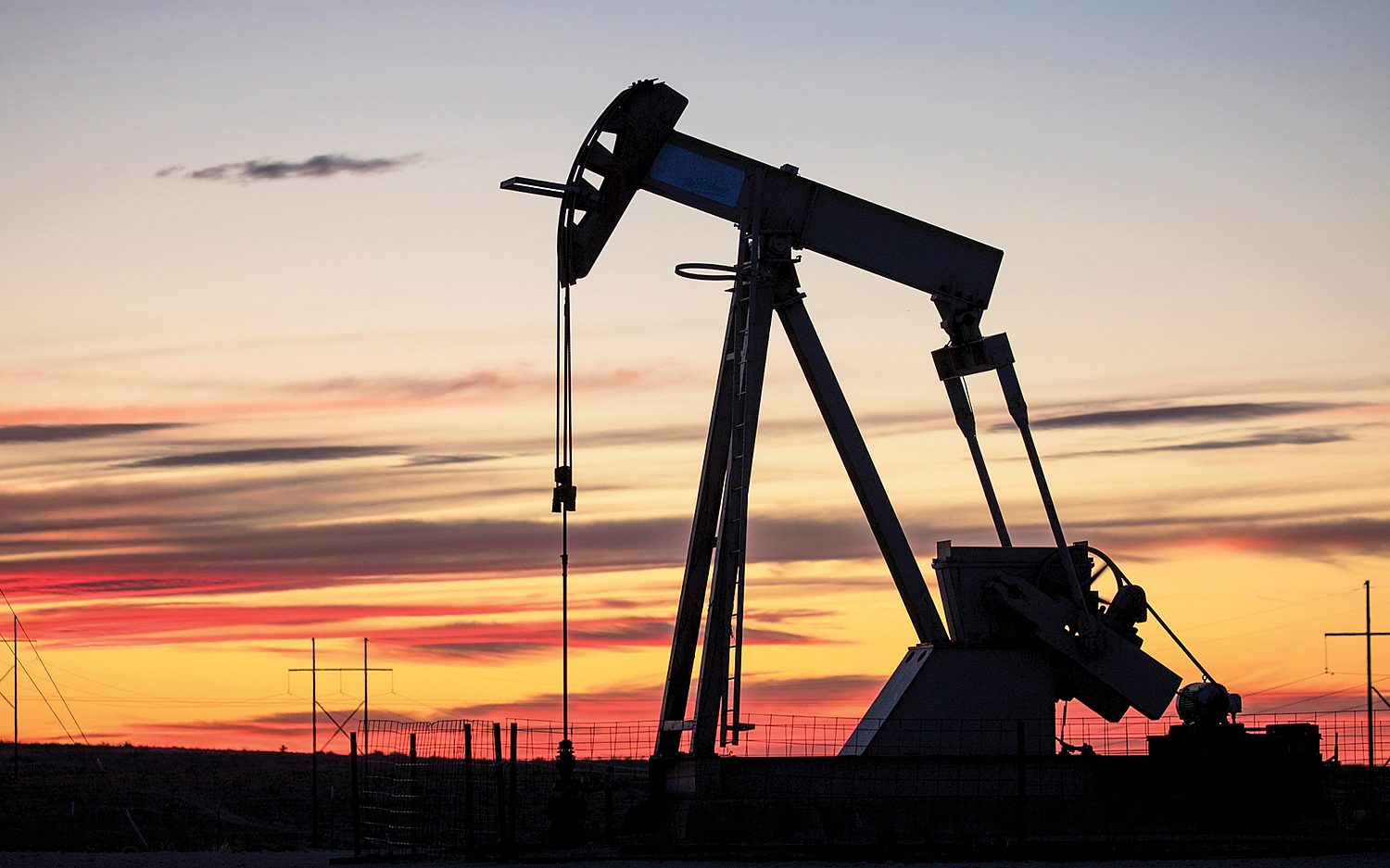
Daniel A. Leifheit / Getty Images
Full access isn’t far.
We can’t release more of our sound journalism without a subscription, but we can make it easy for you to come aboard.
Get started for as low as $3.99 per month.
Current WORLD subscribers can log in to access content. Just go to "SIGN IN" at the top right.
LET'S GOAlready a member? Sign in.
The Department of Interior proposed several changes to how it manages oil and gas leases for the federal government’s onshore mineral estate. Most significantly, the Bureau of Land Management wants to roll back to pre-2024 levels the minimum bond amounts companies must post before drilling ($10,000 for an individual lease and $25,000 for all operations in a state). The BLM said the current bond amounts of $150,000 and $500,000 thwart investment and exploration.
The BLM also wants to stop notifying landowners before it sells leases to drill for federally owned oil and gas beneath their land. The bureau manages approximately 58 million acres of federal mineral rights beneath privately owned land, in what’s known as “split estates.” BLM also proposed cutting the public-participation process for proposed oil and gas leases from 90 days to 10 days.
Nearly 100% of more than 15,000 comments submitted by Aug. 24 opposed the proposed reforms, with the majority saying that with lower bond amounts, taxpayers may end up having to pay for cleanup, according to analysis by the Center for Western Priorities.
About 22 million federal acres were leased to oil and gas developers as of 2024. Over half of that acreage has producing wells.
Drilling sideways
Well operators are pumping more oil and natural gas from western Texas and southeastern New Mexico’s Permian Basin with wells that run horizontally 3 miles or more. “Super laterals” were almost unheard of before 2020 but accounted for 15% of wells drilled last year, according to the Energy Information Administration.
A decade ago when horizontal drilling took off in the basin, almost half of the wells were less than 5,000 feet. By 2025, wells between 5,000 feet and 15,000 feet made up 81% of the total, peaking at 90% of wells completed in 2021.
Oil and gas output has increased significantly in the past decade even though the number of new wells drilled has remained relatively steady, about 6,000 annually. In 2025, Permian-region oil production reached 6.6 million barrels per day, an increase of 280,000, almost half of U.S. production. Natural gas production there has increased at 1.5 times the rate of oil production there in the last five years. —T.V.

Vovashevchuk / Getty Images
Natural gas inventories heating up
U.S. natural gas inventories are expected to reach their highest level since 2016, helping reduce previously expected price increases going into this year’s winter heating season. Forecasters at the Energy Information Administration project the nation’s supply to reach 3,985 billion cubic feet by October, 5% above the five-year average. Analysts attributed the growing supply to maintenance at liquefied natural gas terminals this summer that cut exports and diverted increased gas production into storage tanks. —T.V.

Please wait while we load the latest comments...
Comments
Please register, subscribe, or log in to comment on this article.