
Reading as ministry
BOOKS | Authors advocate for reading aloud good books to point children to the gospel
Full access isn’t far.
We can’t release more of our sound journalism without a subscription, but we can make it easy for you to come aboard.
Get started for as low as $3.99 per month.
Current WORLD subscribers can log in to access content. Just go to "SIGN IN" at the top right.
LET'S GOAlready a member? Sign in.
C.S. Lewis once told J.R.R. Tolkien that “myths are lies, even though lies breathed through silver.” Not so, countered Tolkien: “We have come from God, and inevitably the myths woven by us, though they contain error, will also reflect a splintered fragment of the true light, the eternal truth that is with God.”
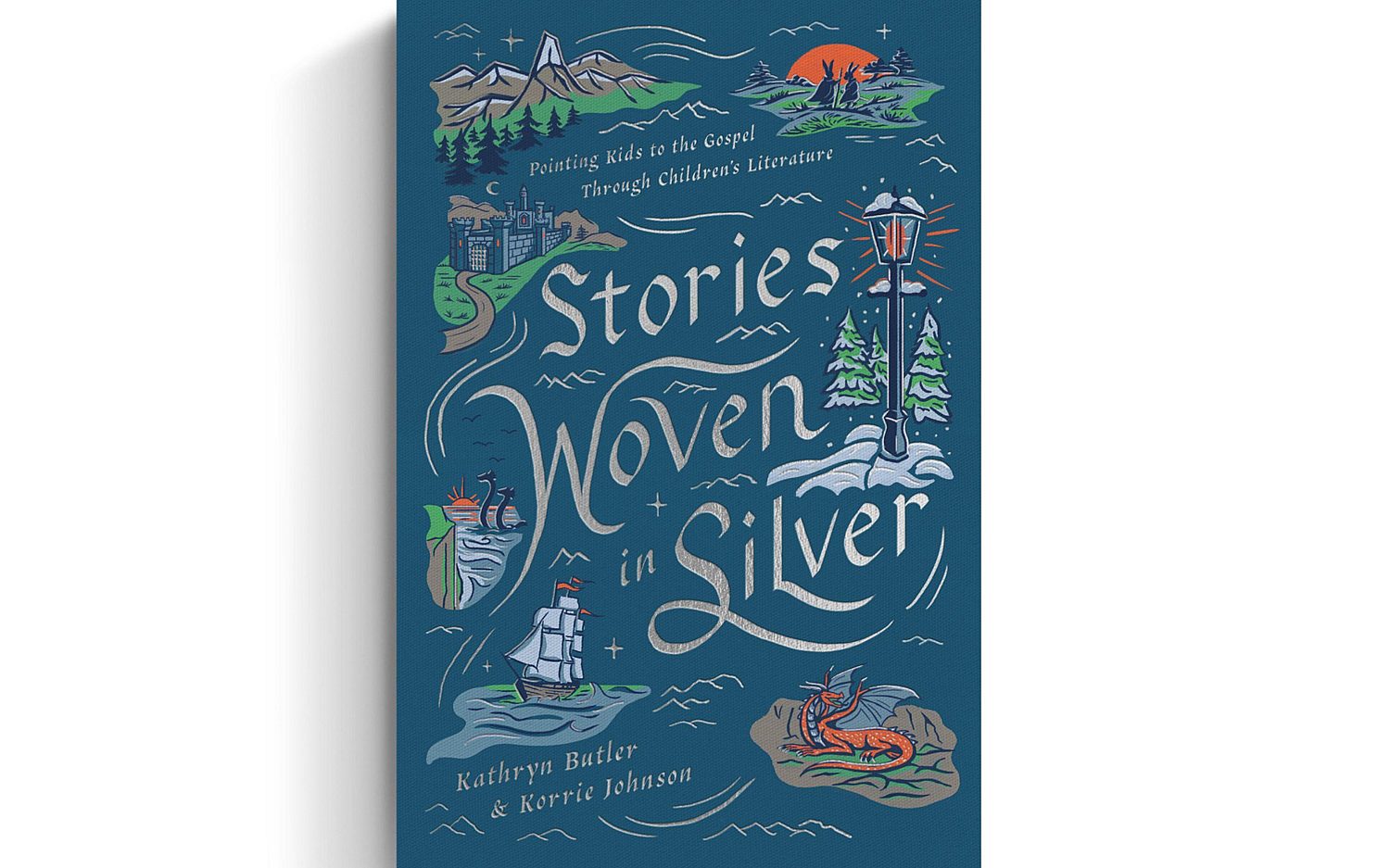
Kathryn Butler and Korrie Johnson want parents to use such fragments of light for evangelistic purposes. In Stories Woven in Silver: Pointing Kids to the Gospel Through Children’s Literature (Crossway, 320 pp.), they propose six Christian book series suited to their mission of “reading aloud as ministry.”
Butler, formerly a trauma surgeon and author of The Dream Keeper Saga, says the dragon scene in The Voyage of the Dawn Treader—a “stunning allegory of grace and redemption”—is what introduced her to the gospel: “I didn’t yet know Christ, but I yearned with every throb of my heart to join in the voyage to Aslan’s country.” She says “great books wield this power.”
Before diving into the books, Johnson, founder of Good Book Mom, urges parents to first give kids the Bible alongside family worship. She then calls for discernment, suggesting ways to identify objectionable books and what to do about hostile librarians, as well as magic, myths, and gods. She cautions parents to protect sensitive kids from themes and scenes that may be upsetting (even in Scripture). She tells parents to “consistently offer [kids] quality literature,” but her emphasis is more on ferreting out bad books than finding good ones.
In Part 2, Butler models how read-alouds can spur gospel conversations. Using The Chronicles of Narnia, The Hobbit and The Lord of the Rings, The Wingfeather Saga, The Wilderking Trilogy, The Mistmantle Chronicles, and The Green Ember series, she lists themes that guide children to the True Story. She sees evangelical themes throughout and provides lists of examples tied to the stories. (She does the same with Narnia and The Lord of the Rings, even though the authors were Anglican and Catholic, respectively.)
Though she tells parents not to “dessicate storytelling into didactics”—don’t dry it out with moralizing—her talking points may leave parents trying to help their children make every Bible connection she does. Interrupting stories to ask children questions—such as, “What does this passage remind you of from the Bible?”—may diminish children’s joy in the story and possibly even in the Word of God.
Stories Woven in Silver promises “literary riches,” but its selection of titles is slim, with little help for choosing quality books beyond the ones recommended. It shows parents how to read aloud and what to do when it’s hard, but would have benefitted from more inspiration for doing so.
Stories like those in the world of Narnia can prepare a child to recognize gospel themes, and reading aloud can be useful for discipleship. Any book that displays the good, beautiful, and true—whether Christian or not—has the potential to do that. But neither Lewis nor Tolkien set out to write an allegory. Parents should be careful not to ask too much of the “misguided myths” that Tolkien said “steer however shakily toward the true harbor” lest they lose the wonder of a well-crafted story.

Please wait while we load the latest comments...
Comments
Please register, subscribe, or log in to comment on this article.