
Moonshine revelers
BOOKS | Investigating belief in fairies
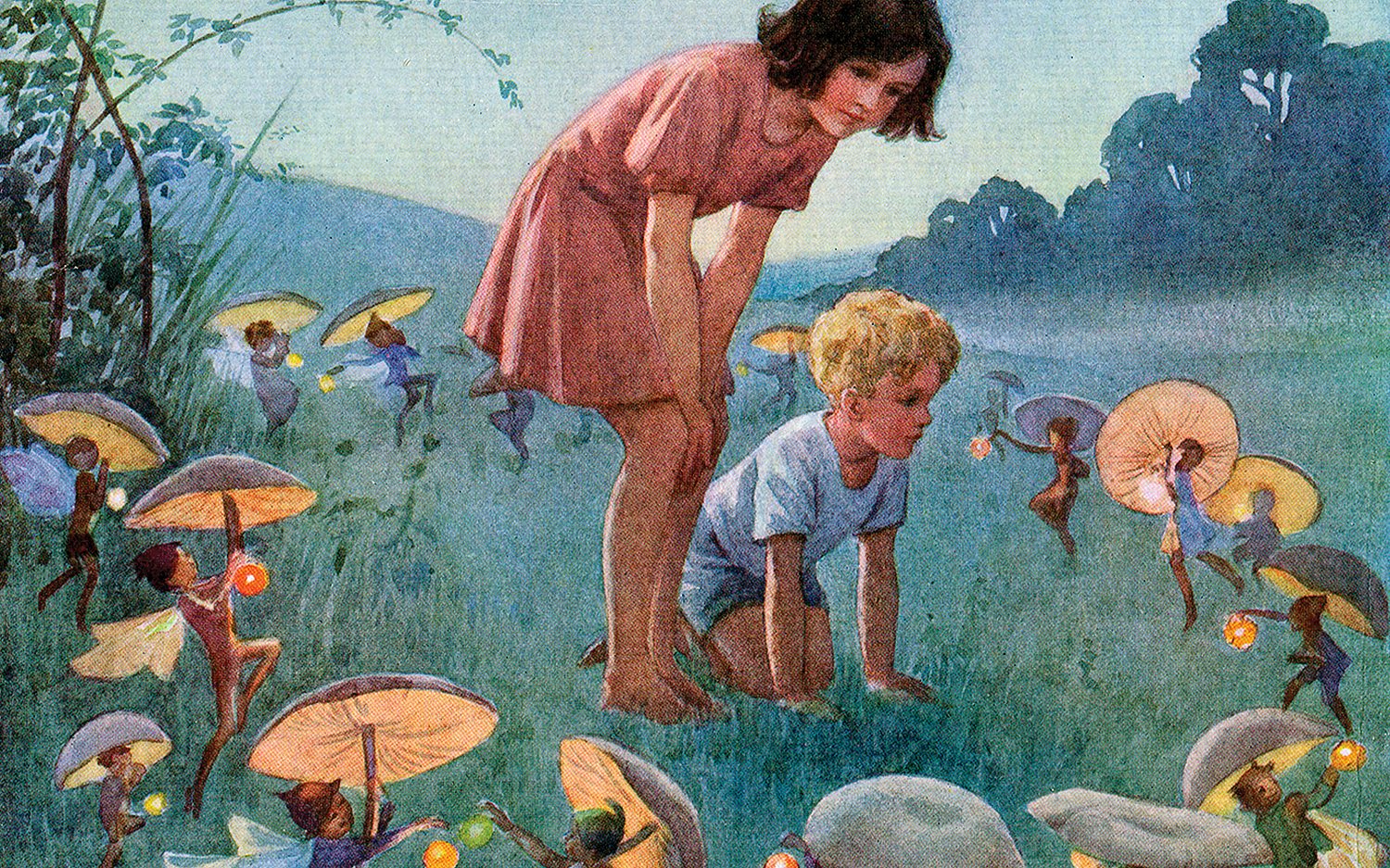
Margaret W. Tarrant / GraphicaArtis / Getty Images
Full access isn’t far.
We can’t release more of our sound journalism without a subscription, but we can make it easy for you to come aboard.
Get started for as low as $3.99 per month.
Current WORLD subscribers can log in to access content. Just go to "SIGN IN" at the top right.
LET'S GOAlready a member? Sign in.
The poet Geoffrey Chaucer bemoaned the fact that “elves can be seen by men no more,” because “saintly friars … have seen to it that there are now no fairies.”
Perhaps Chaucer should have looked more carefully. Even three centuries later, fairies were seen throughout Europe. Individual examples abound, like the geologist John Beamont, a member of the Royal Society, who claimed to have been visited by 3-foot-tall fairies. The Presbyterian minister Robert Kirk documented late 17th-century Scottish fairies in his book The Secret Commonwealth. Likewise, Edmund Jones and Antoin Augustin Calmet both published books detailing encounters with fairies in the 18th century.
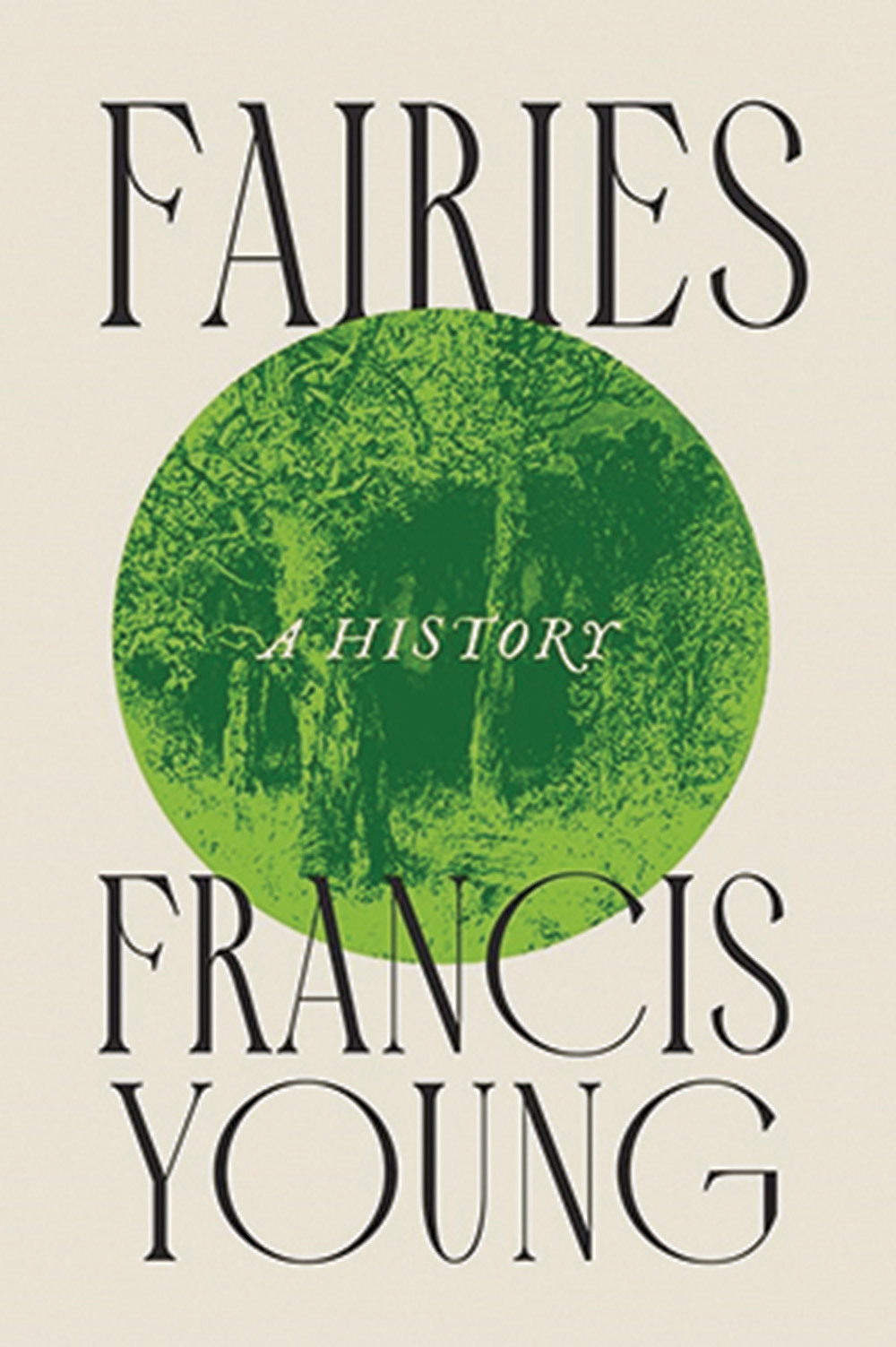
Fairies: A History Francis Young
In Fairies: A History (Polity, 352 pp.), Francis Young shows that fairies and fairy belief never disappeared. Bringing together folklore and ethnographies from across Europe and its colonies, he provides a thoughtful, comprehensive account. The book includes any and all “social, supernatural beings” who are “non-human” but “human-like.” Readers will recognize many of these fairies: trolls, dwarfs, elves, and satyrs. Others, like the New England pukwudgies, Australia’s kintji, Mexico’s chaneques, and Bulgarian víla are more obscure.
Young includes literary fairies, but they play second fiddle. He finds the reality of fairy beliefs is “always weirder than we can imagine.” Medieval French romances or William Shakespeare’s A Midsummer Night’s Dream pale in comparison to accounts like the Abbot of Louth, Caenchomrac, who described a water fairy rising from the nearby loch inviting him underwater to visit the fairy world below.
Beginning in the pre-Christian era, Fairies traces different threads of belief and experience through to the present. With a sweeping scope, Young constructs an elaborate bulwark of evidence to argue that fairies always have been an essential component of European culture. Individual accounts, like Isobel Gowdie dining with the king and queen of the fairies, are interspersed with broader analyses of different fairy groups and how periods of European culture treated belief in fairies.
Young is particularly interested in how people make sense of fairies. As C.S. Lewis pointed out in The Discarded Image, fairies challenge our efforts to rationalize the world because they introduce something into the world that does not follow the rules as we understand them. They are “intellectually untethered strangeness,” defying measurement and classification. Perhaps this is why while most fairy encounters are benign, the consistent, human emotion that fairies evoke is fear.
One of the most important aspects of the book is its discussion of the “coexistence of fairies alongside Christianity.” Unlike other religions, Christianity has no place for fairies in its theology. And yet, fairies persist. Centuries of clergy demonized fairies, but Christians refused to surrender their belief. Periods of Christian anxiety about fairies, like Chaucer’s age, are followed by a revival of belief. In the face of folklore, clergy often relented or capitulated. For example, when a fairy terrorized a grain mill in Karski, Estonia, around 1880, the priest did not attempt to exorcise it but instead reasoned with it until it left.
Fairies provides a challenging way of rethinking fairy beliefs and the broader immaterial world as something other than “lingering relics” of a distant past. Pushing against notions of disenchantment in our own day, Young highlights the resurgence of fairies in literature beginning with some of the best 20th-century writers, like C.S. Lewis and J.R.R. Tolkien. More recently, Christian thinkers like David Bentley Hart are open to the existence of fairies, and according to the online Fairy Census, hundreds of Europeans and North Americans believe they have encountered fairies in the past decade.
Some readers might roll their eyes at serious talk of fairies, but belief in fairies acknowledges that reality far exceeds our perceptions of it. What we see on a daily basis is only a tiny fraction of what exists. As carefully as we might look, we do so but through a glass, darkly.

Please wait while we load the latest comments...
Comments
Please register, subscribe, or log in to comment on this article.