
Grief, growth, and God
BOOKS | A heroine’s search for the longing of her soul
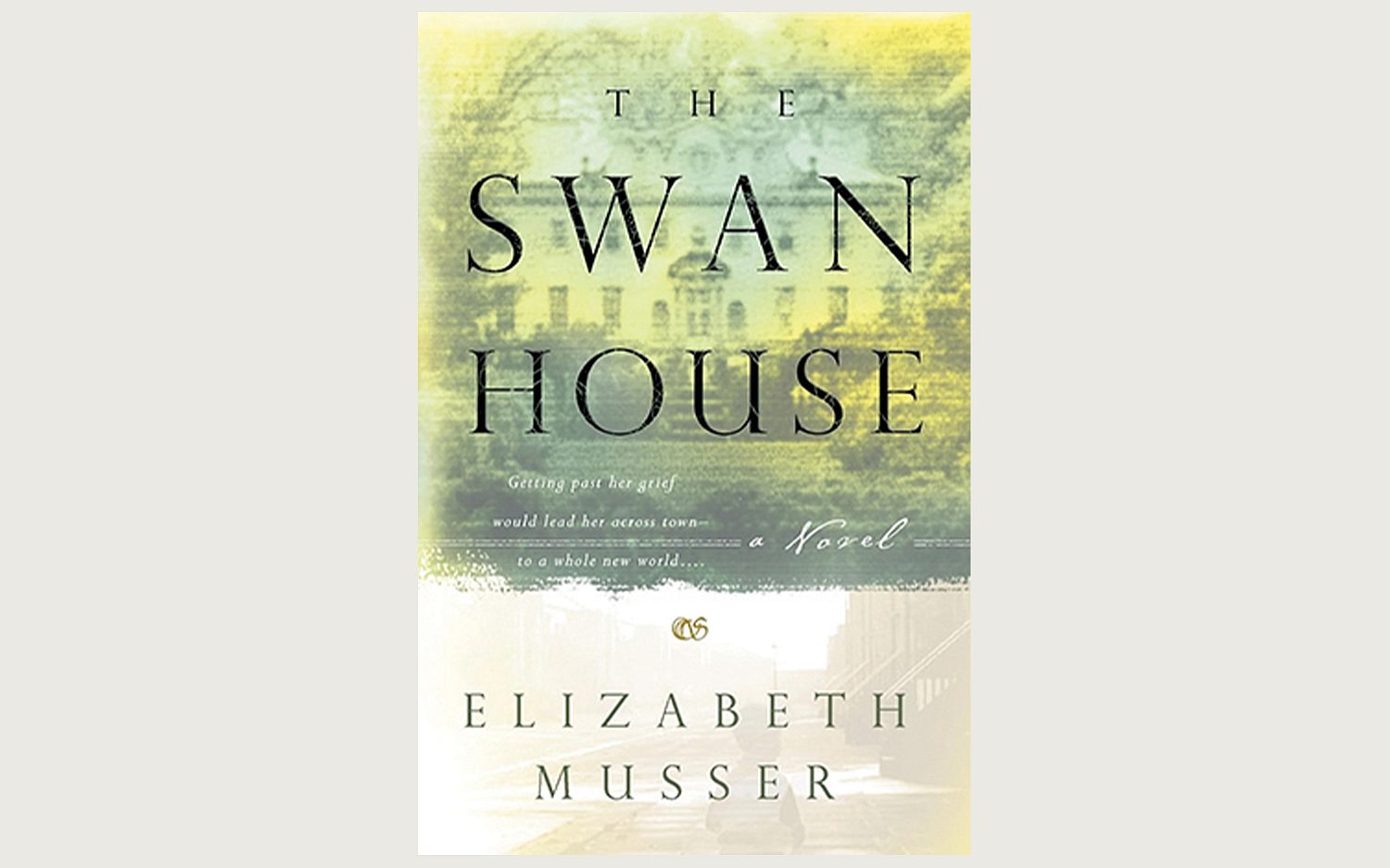
The Swan House Elizabeth Musser
Full access isn’t far.
We can’t release more of our sound journalism without a subscription, but we can make it easy for you to come aboard.
Get started for as low as $3.99 per month.
Current WORLD subscribers can log in to access content. Just go to "SIGN IN" at the top right.
LET'S GOAlready a member? Sign in.
Twenty-five years ago, Elizabeth Musser first published The Swan House, a Christian historical novel offering a coming-of-age story entwined with a hint of mystery. The release of the updated anniversary edition (Bethany House, 464 pp.) invites a new era of readers to travel back in time to 1960s Atlanta, Ga., as a painful event in the city’s history leads one young woman on a search for answers about her family and her faith.
At Wellington Preparatory School for Girls, 16-year-old Mary Swan Middleton hails from one of Atlanta’s more affluent families. With her stockbroker father, artist mother, and typical younger brother, her life is insulated and comfortable. Her summer begins on an exciting note after she learns she will be Wellington’s next Raven—an annual school ritual that tasks a rising junior at the school with solving a secret dare. Her mission: find three missing paintings that disappeared just before an anonymous donor was supposed to gift them to the Atlanta High Museum of Art.
But tragedy strikes: Mary Swan’s mother, along with more than 100 other Atlanta residents on a European art tour, dies in a fiery plane crash near Paris. To pull Mary Swan out of her grief-induced fog, family maid Ella Mae invites the teen girl to join her in serving at a church in the impoverished community of Grant Park. Mary Swan reluctantly agrees but quickly finds herself drawn to the people she meets, including Miss Abigail, whose life story challenges Mary Swan to ponder her own life and what it means to be a true follower of Christ.
As Mary Swan grapples with the racial tensions and deep-rooted prejudices of her broader community, she learns the truth about her mother’s complicated past while continuing to unravel the mystery of the missing three paintings. Eventually, she realizes that solving the mystery is not as important as finding and surrendering to the Truth that will finally set her free.
While the main characters in The Swan House are fictional, Musser, who grew up in Atlanta, wove into the plot plenty of historic details that are unique to her former hometown. Although at times the dialogue suffers from a bit of preachiness and the length is a bit hefty, Musser tackles a number of tough topics, from race relations to mental illness. The end result is an exploration of the contrasts in life and the way God can create a palette of beauty out of all of them.

Please wait while we load the latest comments...
Comments
Please register, subscribe, or log in to comment on this article.