
Global Briefs: Student protesters set France ablaze
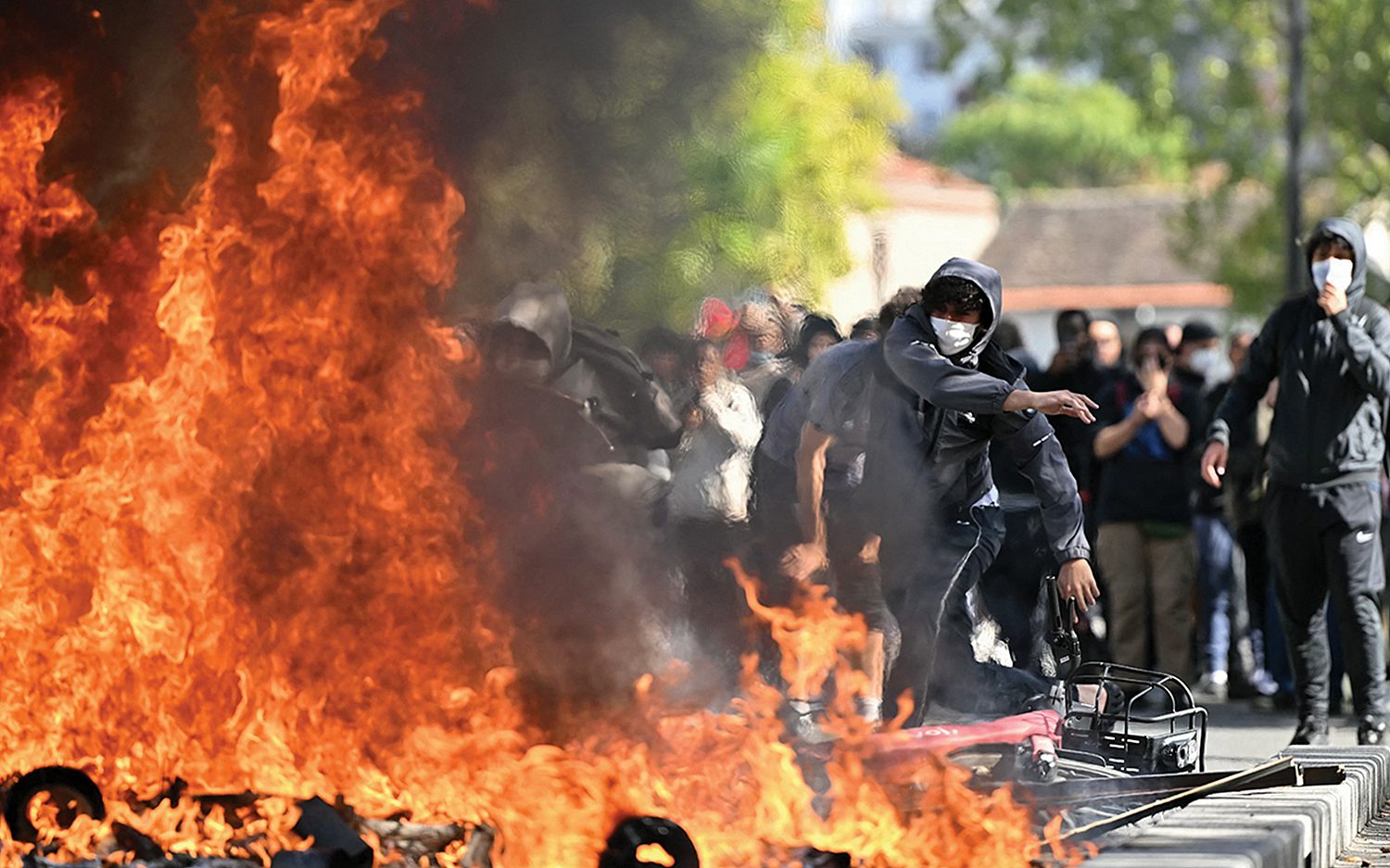
Nationwide school protests have turned violent
Lou Benoist / AFP via Getty Images
Full access isn’t far.
We can’t release more of our sound journalism without a subscription, but we can make it easy for you to come aboard.
Get started for as low as $3.99 per month.
Current WORLD subscribers can log in to access content. Just go to "SIGN IN" at the top right.
LET'S GOAlready a member? Sign in.
The World Bank
France
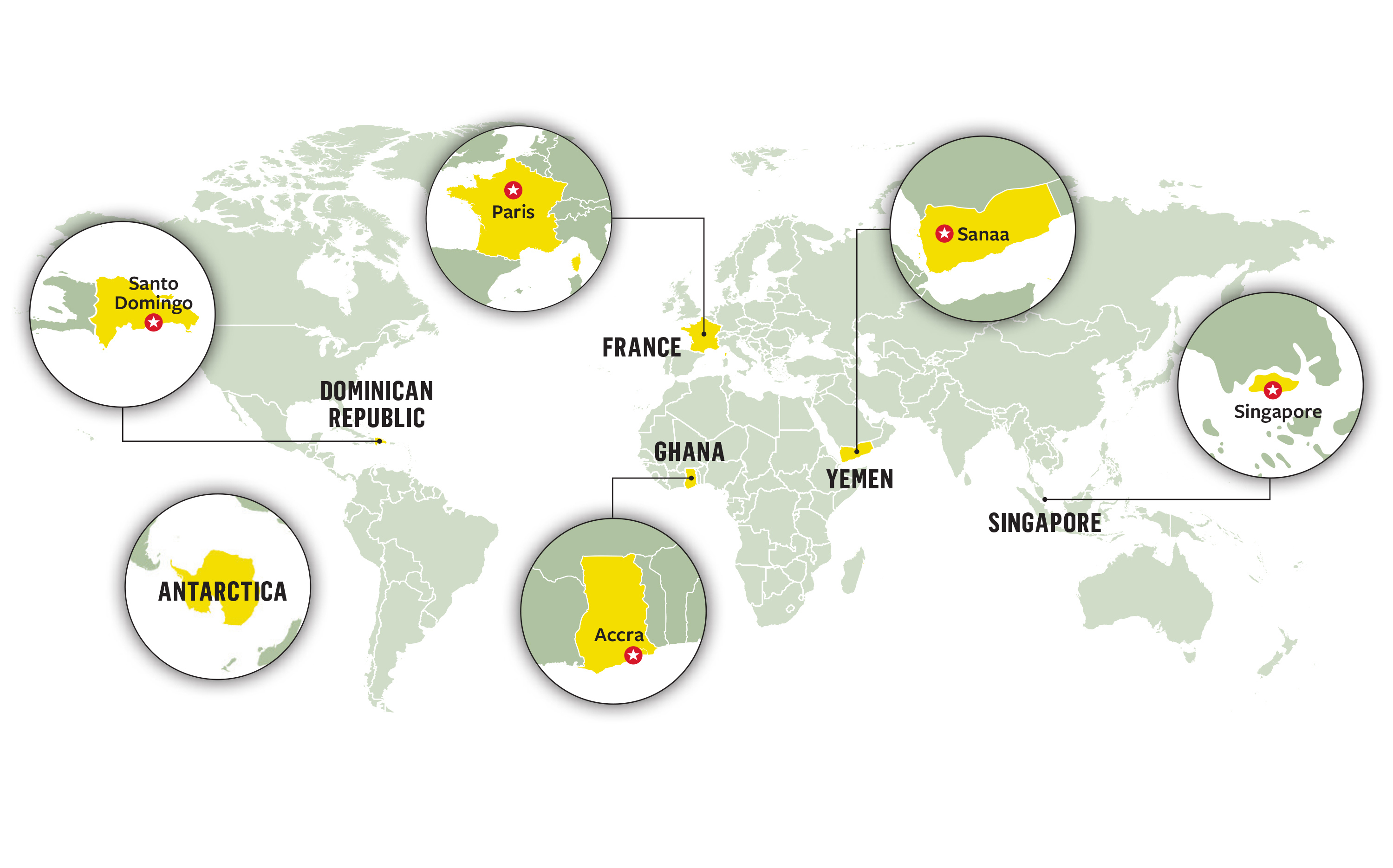
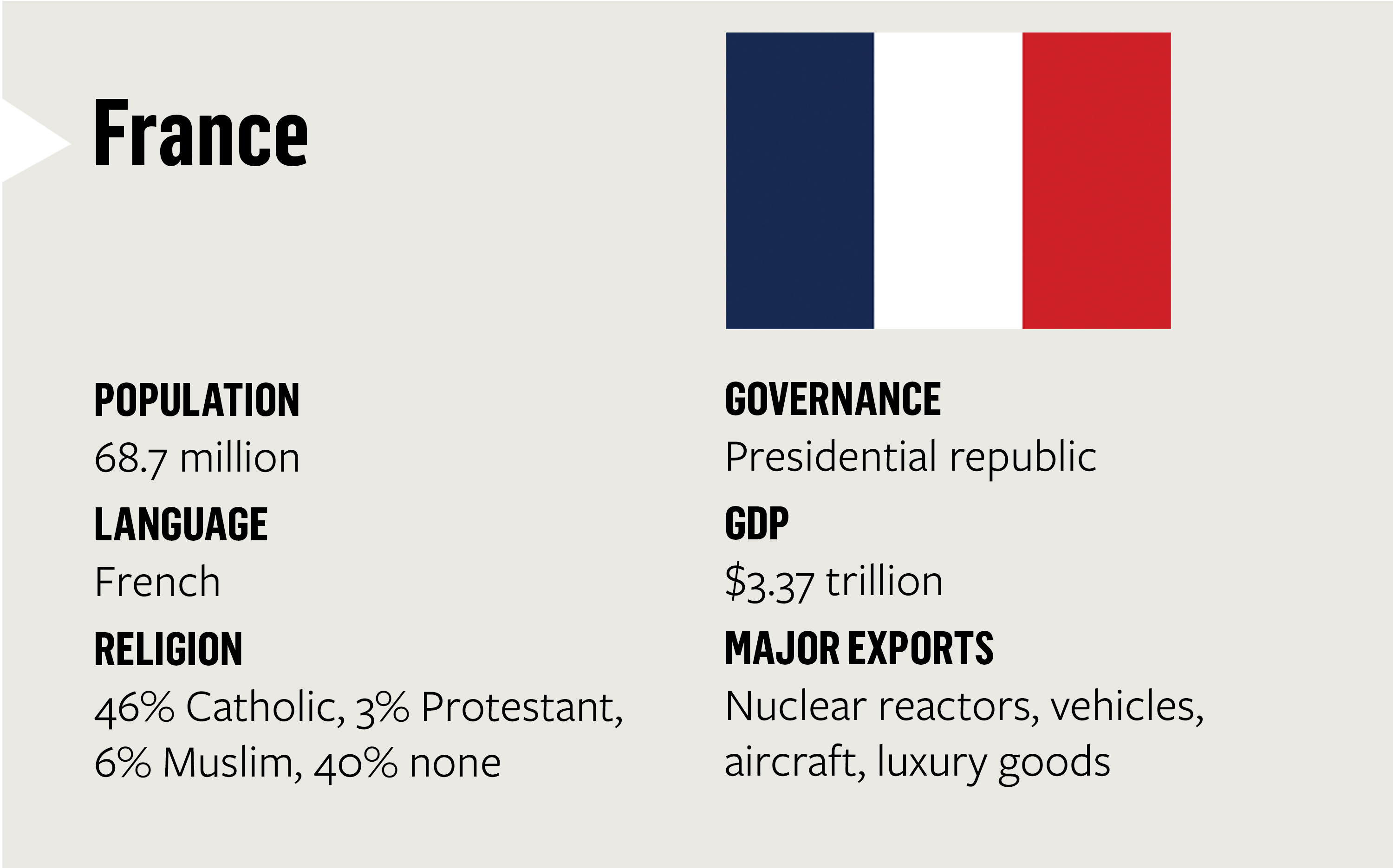
President Emmanuel Macron called a crisis cabinet meeting Oct. 1 to address nationwide school protests that have turned violent. Demonstrations began in the outskirts of Paris, where teachers went on strike Sept. 17 to protest staff shortages. Students joined them and barricaded the school entrance, adding complaints of dilapidated buildings, overcrowded conditions, and 10-hour-long school days. Protests spread, eventually closing over 500 schools across the nation. The government issued police directives to break up blockades, and the resulting clashes have injured hundreds. Police have arrested over 5,000 protesters, 85% of them minors. Far-left presidential candidate Jean-Luc Mélenchon has urged supporters to join the demonstrations and shield students from police. The French government accuses Mélenchon’s party of fomenting unrest to garner support before next year’s elections. —Evangeline Schmitt
Antarctica
The Royal Swedish Academy of Sciences awarded Belgian American physicist Francis Halzen the Nobel Prize on Oct. 6 for his decisive contributions to an observatory in Antarctica. Halzen, a University of Wisconsin-Madison professor, spearheaded the creation of the IceCube Neutrino Observatory, where he and colleagues inserted thousands of sensors in a cubic kilometer of ice to detect the elusive high-energy particles emitted from nearby black holes. Halzen calls their initial success in the 1990s his greatest excitement. “What came afterward, that IceCube would be big enough to detect cosmic neutrinos, that was up to the Lord,” he told a crowd at UW-Madison. Neutrinos provide clues to their astrophysical origins. Nobel committee members said his work paved the way for a new kind of astronomy. —Amy Lewis
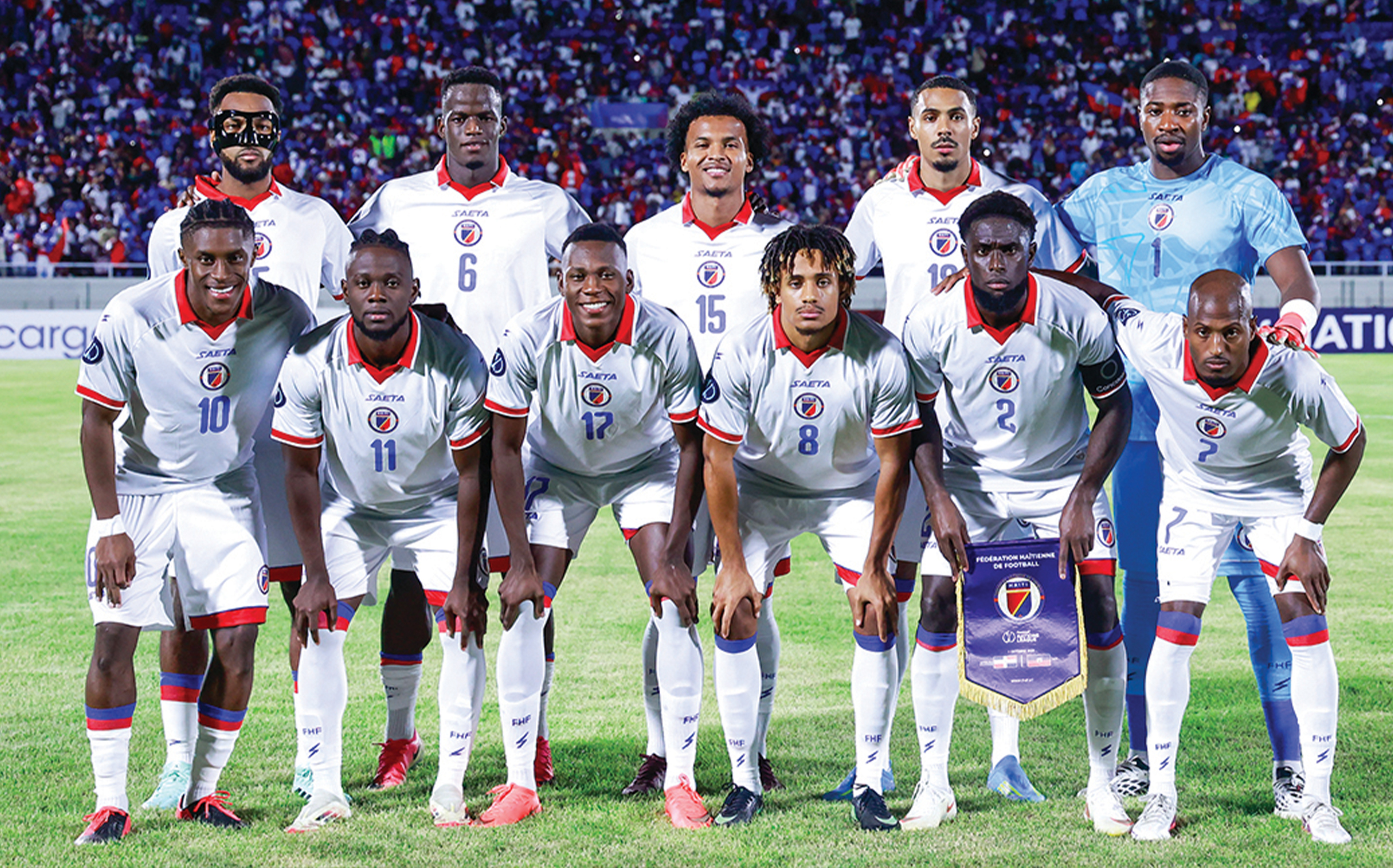
Haiti’s national soccer team Nelson Pulido / AFP via Getty Images
Dominican Republic
The country lifted its ban Oct. 3 on Haiti’s national soccer team, permitting them to play as visiting competitors while still prohibiting them from using Dominican facilities to host matches. Following a 4-1 loss to Haiti on Oct. 1, Dominican officials barred the neighboring team from playing in their country, pointing to provocative post-goal comments by Haitian forward Wilson Isidor and reports of stadium damage by Haitian supporters. The dispute rapidly escalated from a sports conflict into a diplomatic issue, underscoring the deep-seated, complex history shared by the two nations on the island of Hispaniola. Isidor has since emphasized soccer’s role as a space for bringing people together. —Olalekan Raji
The World Bank
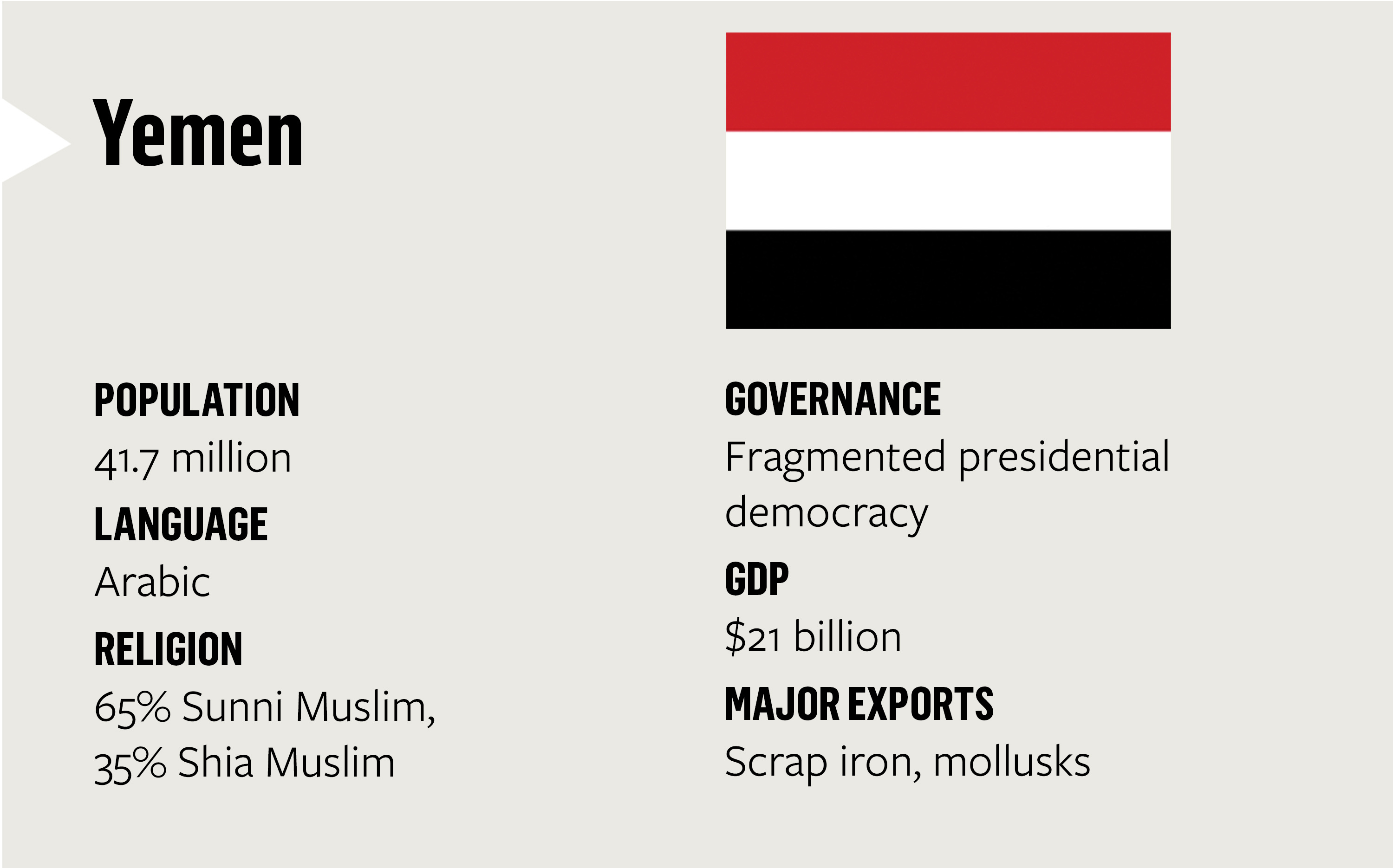
Yemen
Houthi rebels struck two airports in Saudi Arabia on Oct. 7 after civil war reignited this summer between the militant group and the government of Yemen, which is backed by Saudi Arabia. In August, Houthis began gaining ground along the Red Sea Coast, displacing more than 184,000 people and giving the rebel group significant control over the Bab al-Mandab Strait. A quarter of global container traffic passes through the waterway, which is south of the Suez Canal. Earlier this year it became an alternative route for Saudi oil exports after Iran shut down the Strait of Hormuz. Houthis have announced a blockade against only Saudi Arabia. Conflict Armament Research reported in May that Iran was sharing weapons and missile technology with Houthi rebels even while at war with the United States and Israel. —Evangeline Schmitt
The World Bank
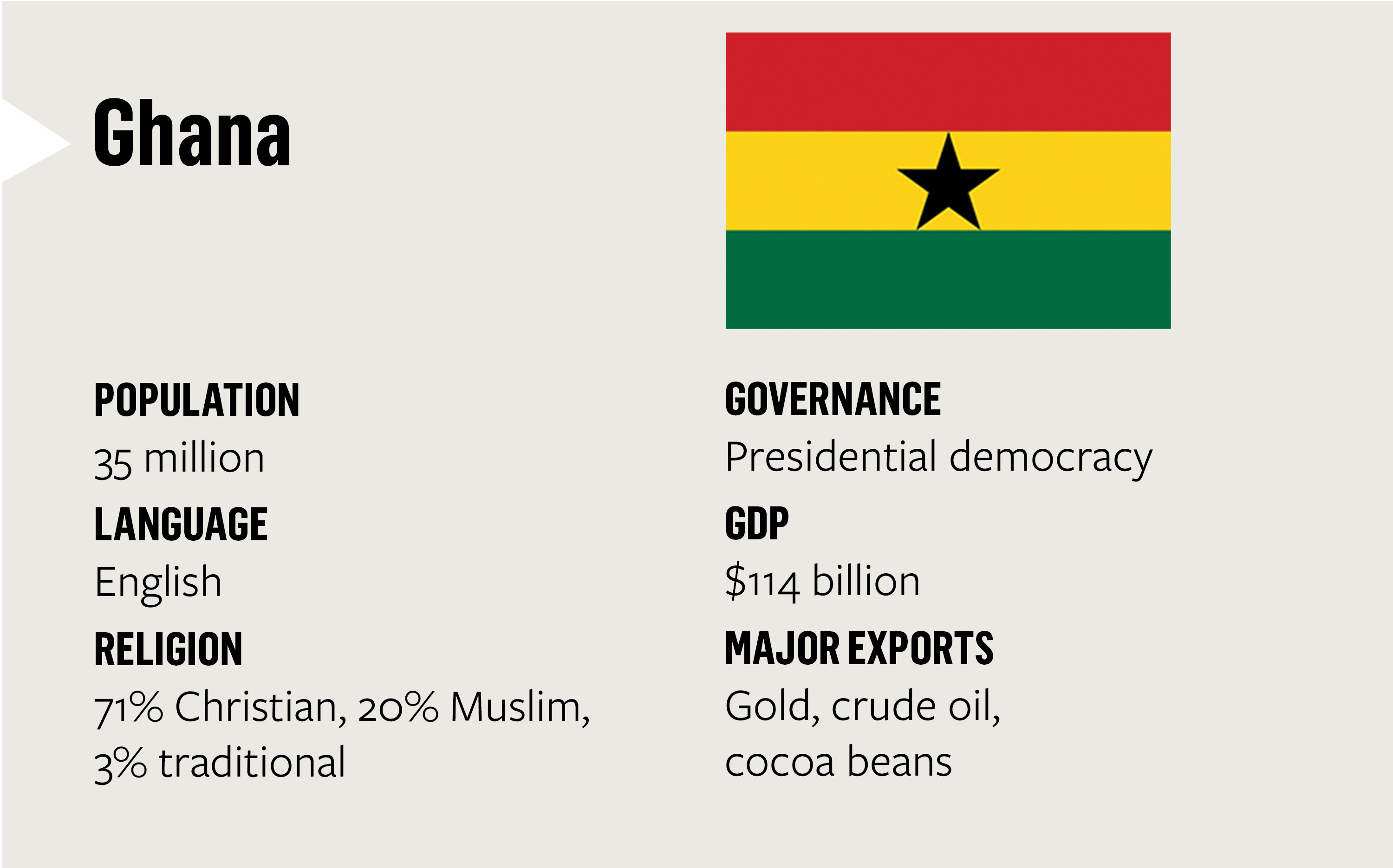
Ghana
Authorities in Ghana began a crackdown Oct. 5 on preaching and hawking in public buses, a widespread practice in the predominantly Christian country. Offenders face up to $52 in fines, eight months in prison, or both. Parliament passed the law in May. A ban on bus preaching was first implemented in 2012, but wasn’t enforced. Critics argue that preaching on moving vehicles is a nuisance and safety risk that could distract the driver, while supporters insist that evangelism is a Christian duty and a freedom protected by constitutional rights. Ghanaian authorities have framed the prohibition primarily as a transport and public-safety measure. Affected preachers are lobbying for the government to allow them to conduct brief prayers instead before buses leave major terminals. —Olalekan Raji
Associated Press / Photo by David Hu
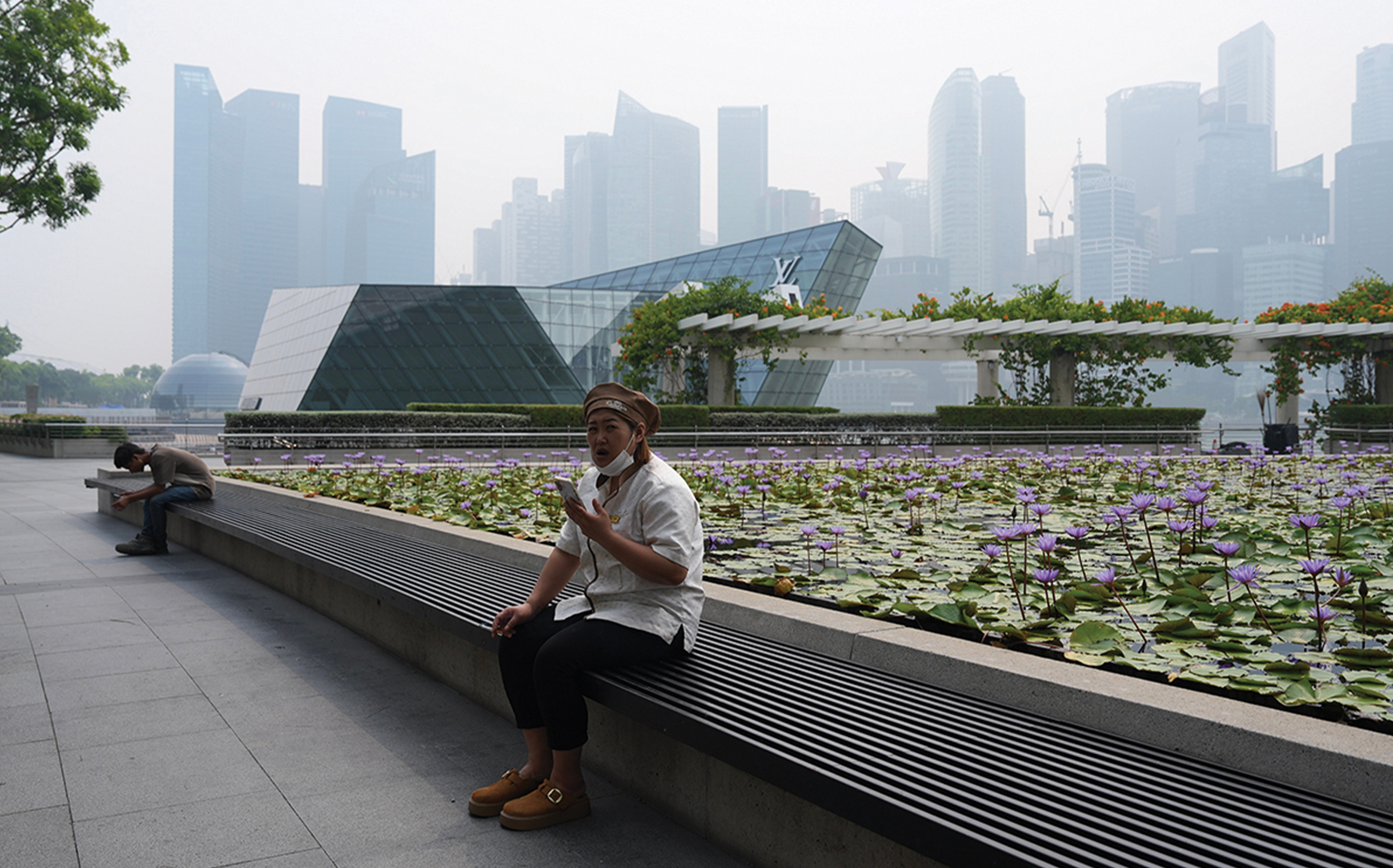
Singapore
Smoke haze from Indonesia’s wildfires has shrouded neighboring Singapore for weeks. On Oct. 7–8, Singapore’s air quality deteriorated to “unhealthy” levels, according to the Pollutant Standards Index, the city-state’s main measure for air pollution. Officials advised the elderly, pregnant women, children, and people with chronic heart or lung disease to minimize outdoor activities. Indonesia is grappling with one of its worst wildfire seasons in years. Indonesia’s slash-and-burn farming practices coupled with an El Niño climate pattern causing dry conditions have exacerbated the blazes. Haze has also wafted to nearby Malaysia, where authorities closed all schools in southern Johor state Oct. 8–9 due to poor air quality. —Joyce Wu
Please wait while we load the latest comments...
Comments
Please register, subscribe, or log in to comment on this article.