
Food stamp exit
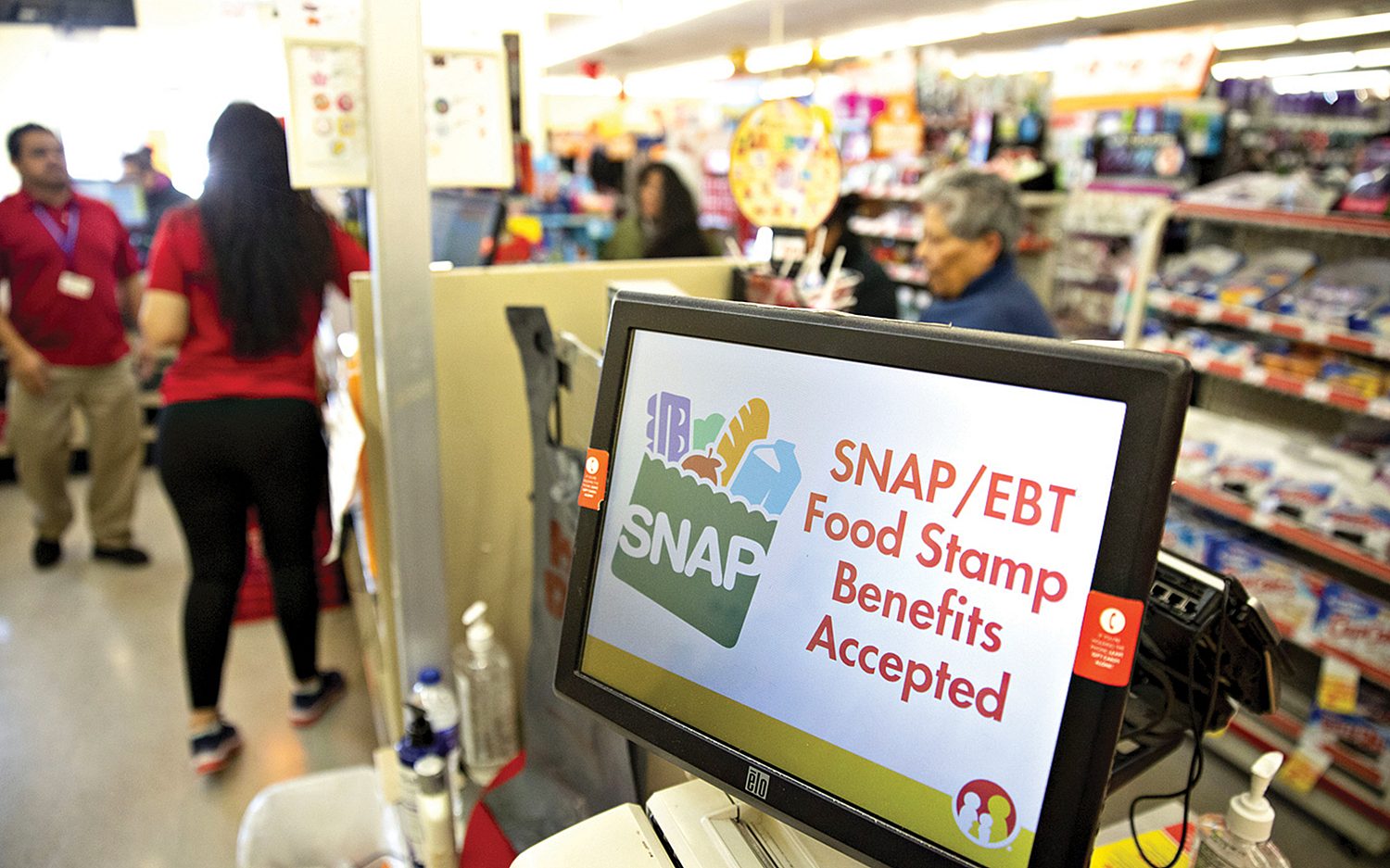
COMPASSION | SNAP participation’s steep decline
Daniel Acker / Bloomberg via Getty Images
Full access isn’t far.
We can’t release more of our sound journalism without a subscription, but we can make it easy for you to come aboard.
Get started for as low as $3.99 per month.
Current WORLD subscribers can log in to access content. Just go to "SIGN IN" at the top right.
LET'S GOAlready a member? Sign in.
Americans nationwide are leaving the Supplemental Nutrition Assistance Program in unexpected numbers. Participation fell 13% between May 2025 and May 2026, from about 42.2 million to 36.6 million. Arizona, Louisiana, Alabama, Nevada, and Florida had even larger enrollment drops over that 12-month span.
The decline stems partly from changes under the One Big Beautiful Bill mandating able-bodied adults aged 55 to 64 and those with children between ages of 14 and 17 must work, volunteer, or go to school. Both categories were previously exempt. The law also requires states with an error rate—a measure of overpayments or underpayments—greater than 6% to contribute toward the cost of the program.
Rachel Sheffield, a welfare and family policy research fellow at the Heritage Foundation, says strengthened work requirements ensure the program remains focused on “upward mobility instead of a one-way transfer.” SNAP serves about 10% of the population and is one of the easiest welfare programs to access. Declining enrollment isn’t “necessarily a bad thing,” Sheffield added, especially if those people shouldn’t have received benefits in the first place or are leaving the program to work a better job. “That’s how the program is supposed to function,” she added.
Sugar crash
SNAP recipients are spending less of their benefit money on sugary drinks, a working paper from the National Bureau of Economic Research shows. For the first time, the federal government allows states to restrict participants from purchasing sugary drinks—soft drinks, energy drinks, sweetened tea, and fruit drinks that aren’t 100% juice—with their benefit money.
Researchers tracked SNAP households over an 18-month period, focusing on the rollout of restrictions in 10 states during the first half of 2026 and comparing them to states that did not implement bans. Recipients reduced sugary drink purchases by about 12%, or roughly 34 12-ounce cans. “A 12.4% decrease is larger than most researchers had predicted, and indeed larger than I had predicted,” said Hunt Allcott, a Stanford University economist and co-author of the study.
The study estimates a nationwide ban on sugary drinks could save $1.1 billion per year, mostly through reduced healthcare costs related to sugary drink consumption. —A.O.
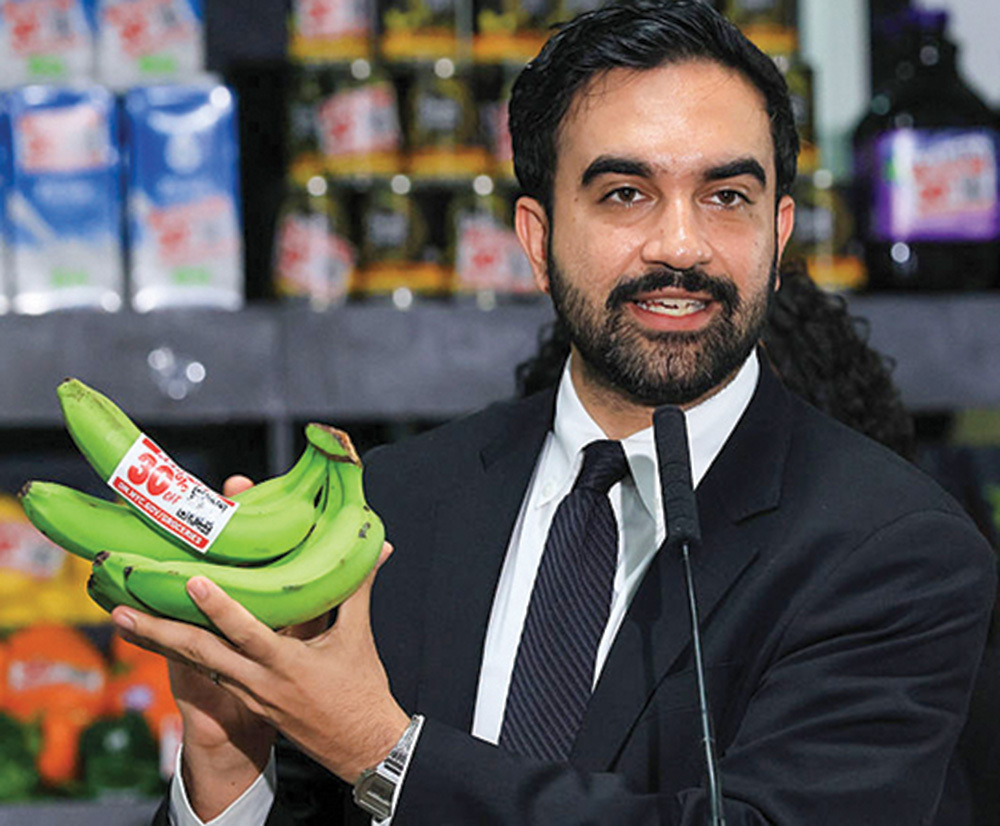
Zohran Mamdani Spencer Platt / Getty Images
The price is not right
A group of NYC grocery businesses filed two lawsuits challenging Mayor Zohran Mamdani’s plan to establish five city-run grocery stores. The Multicultural Business Association claims Mamdani’s stores will unfairly compete against local, minority-owned businesses already struggling to make a profit. The mayor proposed the stores with the stated goal of lowering prices and combating food deserts. Cities in Florida, Kansas, Illinois, Wisconsin, and Georgia have experimented with the concept of government-run stores with dubious results. —A.O.

Please wait while we load the latest comments...
Comments
Please register, subscribe, or log in to comment on this article.