
Debt disaster
MONEY | IMF chief chides economic powers for excessive borrowing
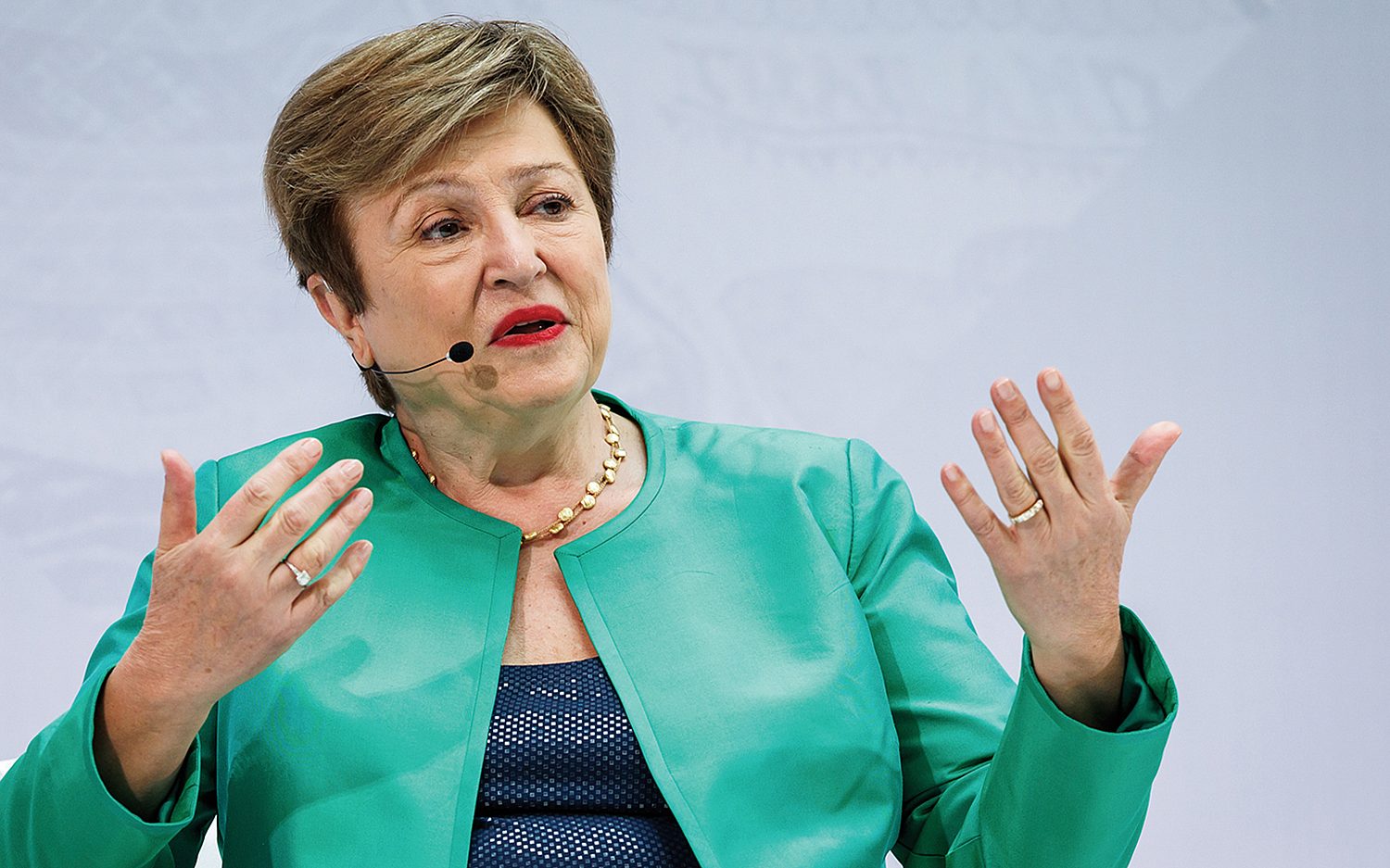
Kristalina Georgieva Samuel Corum / Bloomberg via Getty Images
Full access isn’t far.
We can’t release more of our sound journalism without a subscription, but we can make it easy for you to come aboard.
Get started for as low as $3.99 per month.
Current WORLD subscribers can log in to access content. Just go to "SIGN IN" at the top right.
LET'S GOAlready a member? Sign in.
The International Monetary Fund is warning governments to pay down their debts or face rising service costs that choke off funds for other government programs. The United States is the largest shareholder in the IMF, which acts as an emergency lender for its 191 member countries in times of economic crisis. IMF director Kristalina Georgieva told the BBC that economic pressures like the war in Iran have been “pushing debt levels up like a staircase not to heaven.” The cost of borrowing is also on the rise, with bond yields in the U.S. rising to multidecade highs as companies invest heavily in new AI infrastructure and compete with governments for loanable funds.
In the U.S., debt service payments make up about 15% of the federal budget, adding up to roughly $1 trillion annually or about 3% of the total U.S. economy. In August, the debt crossed $40 trillion for the first time in history, approaching the congressionally mandated debt ceiling of $41.1 trillion. The U.S. government has not recorded a fiscal surplus, where tax revenue exceeded expenditure, since 2001.
Some economists warn that the U.S. may be approaching the threshold for an irreversible debt spiral, where interest rates and borrowing costs rise so fast that the government must continually borrow more and more money to service its own debt. Others argue that a government that prints its own currency never risks bankruptcy. In a 2025 Raymond James report, chief economist Eugenio J. Alemán said the problem with the U.S. debt is not ability but rather willingness to pay. Politicians are incentivized to offer expensive but favorable policies to their constituents, such as tax cuts and subsidies, rather than pay down the debt.
Without tighter fiscal programs, the IMF warns that global public debt will reach World War II levels by 2027. Although governments cannot control external economic shocks, such as the rising price of oil, they can tighten the purse at home. In the U.S., the largest government expenditures besides debt service are Medicare and Medicaid, Social Security, and defense, which alone make up more than 60% of the national budget.
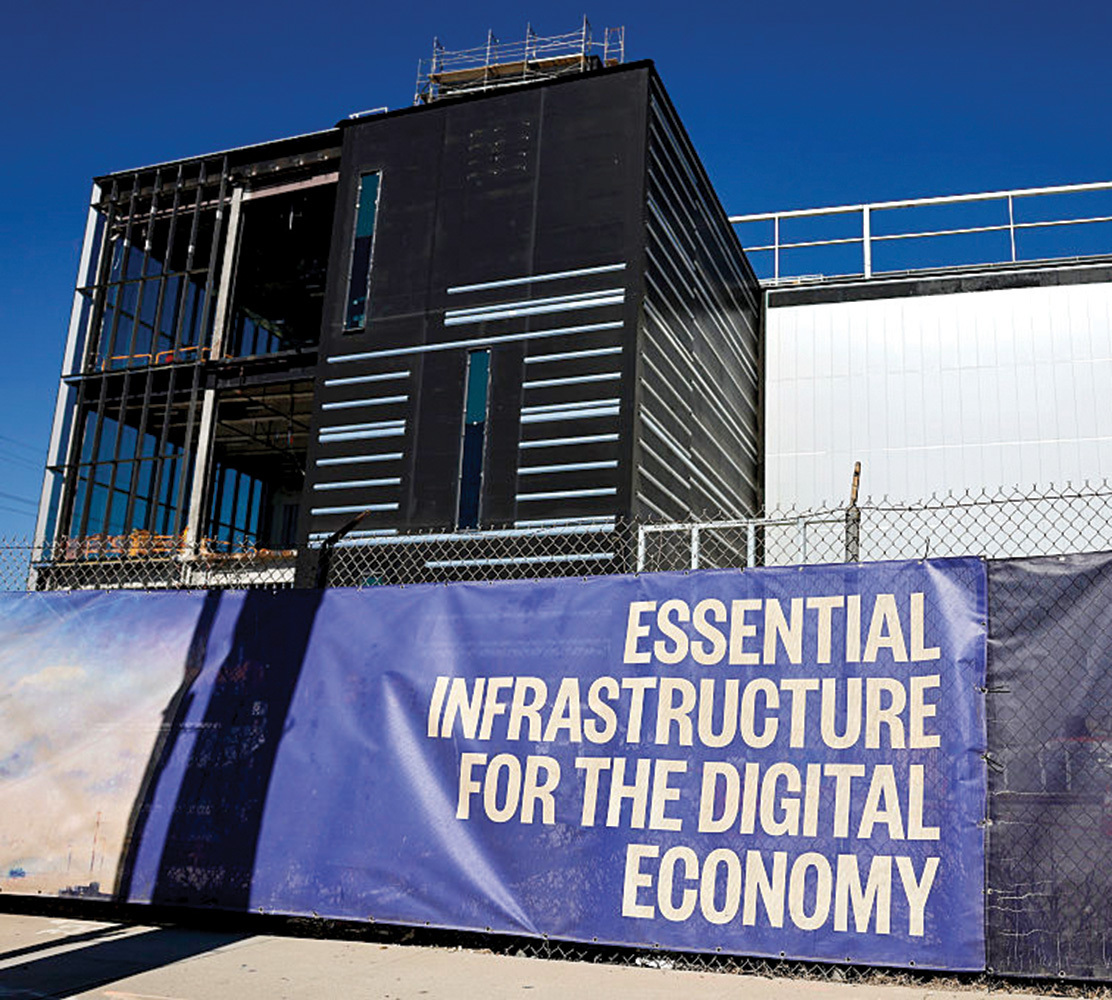
Mario Tama / Getty Images
Ballooning build-out
The cost of building out new AI infrastructure could top $10 trillion by 2032, according to a new report from Brookings and Columbia economists. That would account for nearly 4% of U.S. GDP per year, a larger share of the economy than major canal, railroad, electrification, highway, and telecommunications booms in the past.
Often, companies using AI computing do not own the infrastructure required to support it, spreading investment risks across layers of real estate developers, private creditors, fund managers, and other market participants. That can require designing complicated contracts and cloud the risk landscape, according to the report. The authors warn that credit booms and periods of large capital growth have historically posed serious financial risk when underlying investor expectations shift. —L.S.

Please wait while we load the latest comments...
Comments
Please register, subscribe, or log in to comment on this article.