
Commenting on crime
BOOKS | A notable conservative reads Agatha Christie
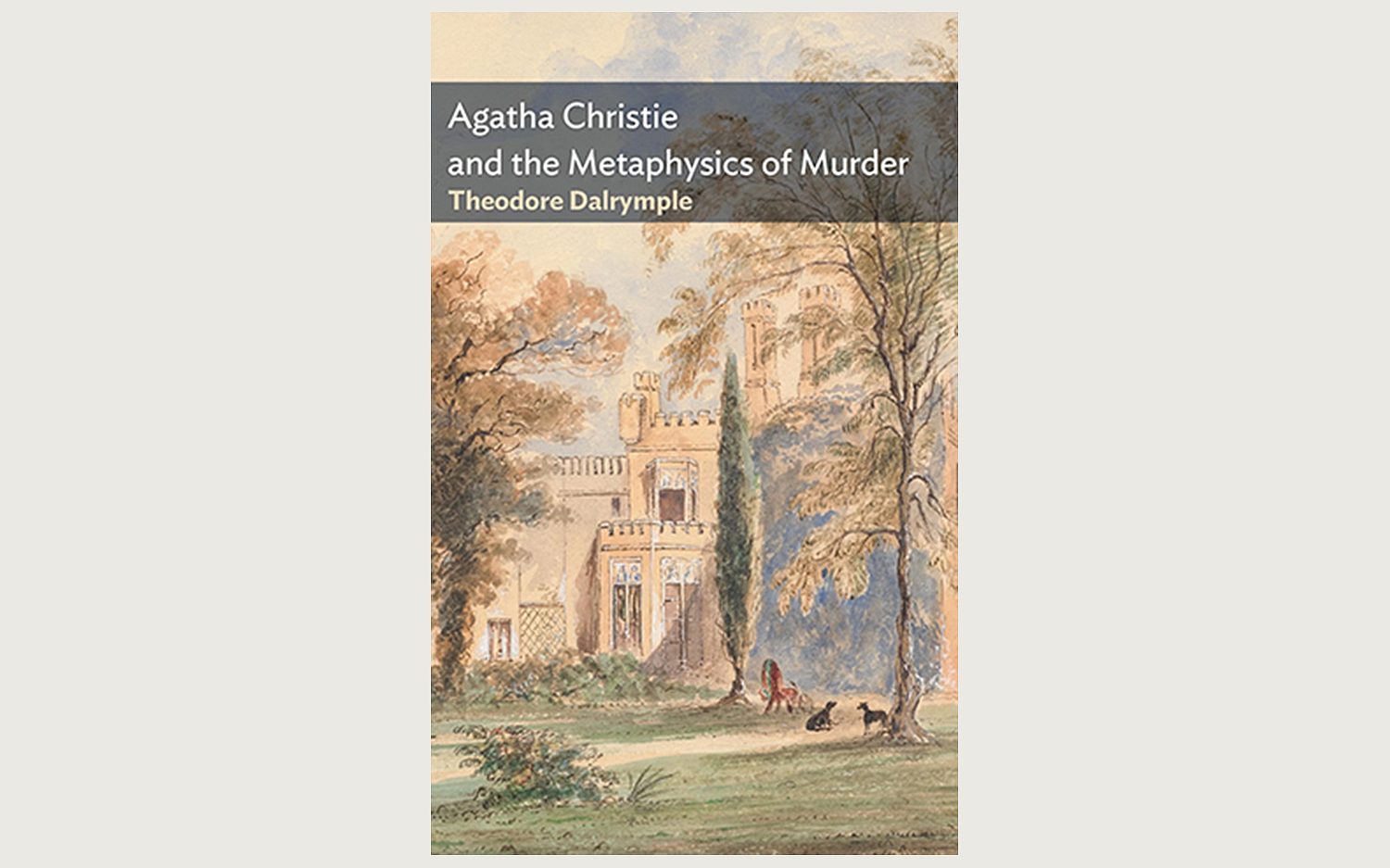
Agatha Christie and the Metaphysics of Murder Theodore Dalrymple
Full access isn’t far.
We can’t release more of our sound journalism without a subscription, but we can make it easy for you to come aboard.
Get started for as low as $3.99 per month.
Current WORLD subscribers can log in to access content. Just go to "SIGN IN" at the top right.
LET'S GOAlready a member? Sign in.
Agatha Christie has always had her critics. Some have found her style too plain and her plots too convoluted, while others have complained that her stories don’t have much to say about the human condition. Even so, she’s sold billions of copies of her mystery novels—the bestselling author of all time, with the possible exception of William Shakespeare. In light of that track record, does the Queen of Crime really need anyone to come to her defense? Probably not, but that’s exactly what Theodore Dalrymple does in Agatha Christie and the Metaphysics of Murder (Criterion Books, 168 pp.)
Theodore Dalrymple is the pen name of English cultural critic and retired doctor Anthony Malcolm Daniels—not to be confused with Anthony Daniels, the English actor who played C-3PO in Star Wars. Dalrymple has been writing essays and books with a conservative bent for more than four decades.
At the beginning of Agatha Christie and the Metaphysics of Murder, Dalrymple mentions that a publisher had asked him to write a study of Christie’s social, political, and psychological ideas. He says he found the idea appealing but was overwhelmed by the amount of necessary research. After all, Christie wrote 66 detective novels and 14 collections of short stories. Instead of trying to comment on all her work, Dalrymple says he chose one novel at random, They Do It With Mirrors, first published in 1952. If indeed the choice really was random, it was a happy coincidence, because Dalrymple’s background makes him well suited to commenting on it.
They Do It With Mirrors is a Miss Marple mystery set at a country estate that has been turned into an institution for rehabilitating young criminals. For much of his medical career, Dalrymple worked as a physician and psychiatrist in British prisons, so he offers unique insight into the book’s central premise. The plot becomes a starting point to muse about the various schools of thought surrounding crime, punishment, and prison reform. Along the way, he shows that through Miss Marple, Christie offers shrewd and wry commentary on society’s naive ideas.
Though the subject matter is idiosyncratic, Dalrymple’s erudite and witty prose is always worth reading. However, readers will definitely want to read They Do It With Mirrors before reading Dalrymple’s commentary. Also, don’t pick up Agatha Christie and the Metaphysics of Murder expecting any spiritual insights. Dalrymple himself remains an old-fashioned conservative British atheist.

Please wait while we load the latest comments...
Comments
Please register, subscribe, or log in to comment on this article.