
100 years and counting
CHILDREN’S BOOKS | A milestone for a silly old bear
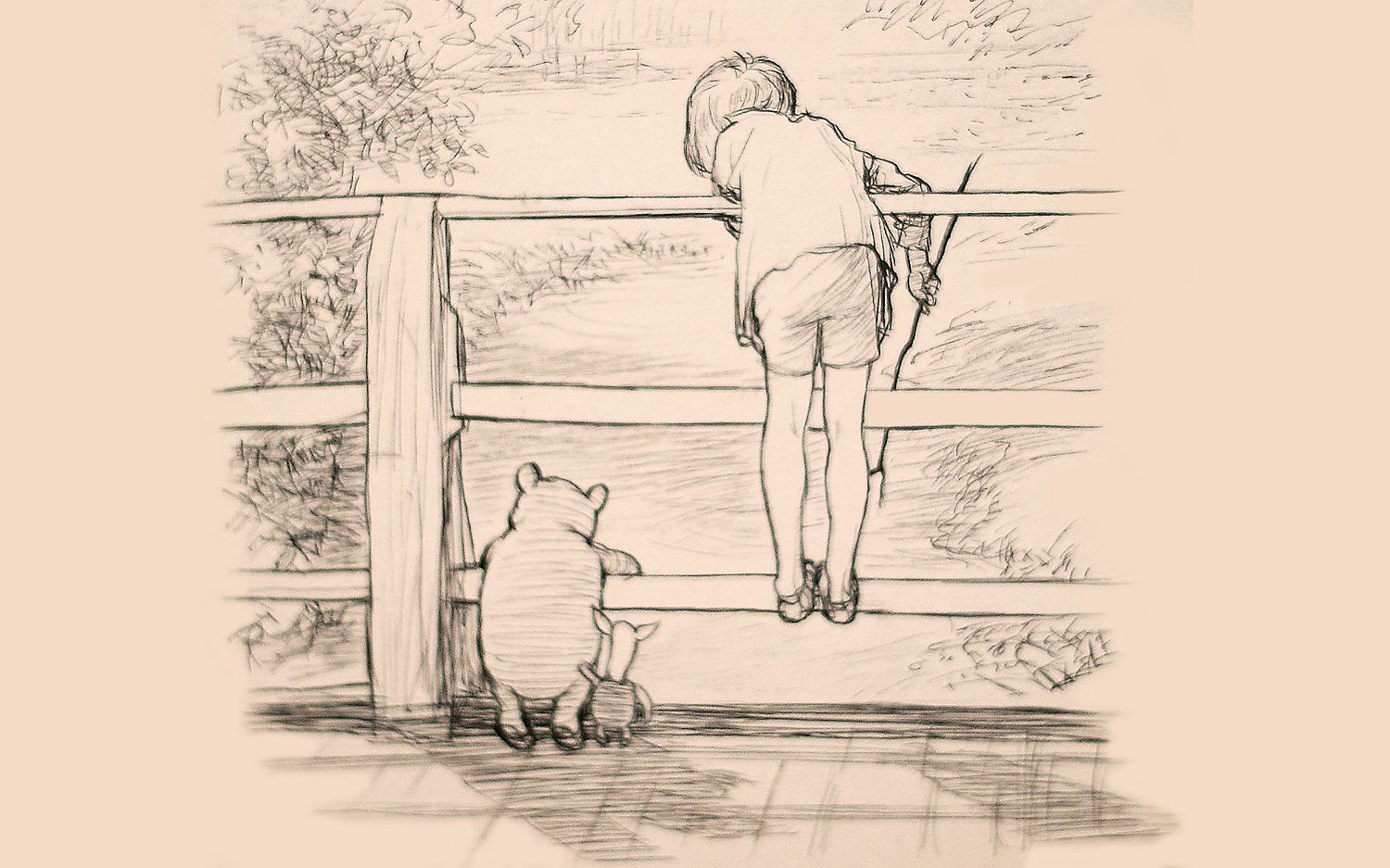
Drawing by E.H. Shepard (Philip Toscano / Press Association via AP)
Full access isn’t far.
We can’t release more of our sound journalism without a subscription, but we can make it easy for you to come aboard.
Get started for as low as $3.99 per month.
Current WORLD subscribers can log in to access content. Just go to "SIGN IN" at the top right.
LET'S GOAlready a member? Sign in.
I remember the first time I read Winnie-the-Pooh aloud to my three children. We were just a few years into our homeschooling journey, and I had thoroughly taken to heart the exhortation to read good books daily to my offspring. I don’t remember my family having a copy of A.A. Milne’s original story during my own childhood, and, to be perfectly honest, I was more familiar with Disney’s version of Winnie-the-Pooh than anything else. Thus, as a young mom reading each chapter, I recall being especially enchanted by Milne’s prose and subtle humor as we encountered heffalumps, woozles, and, of course, Pooh’s insatiable desire for honey.
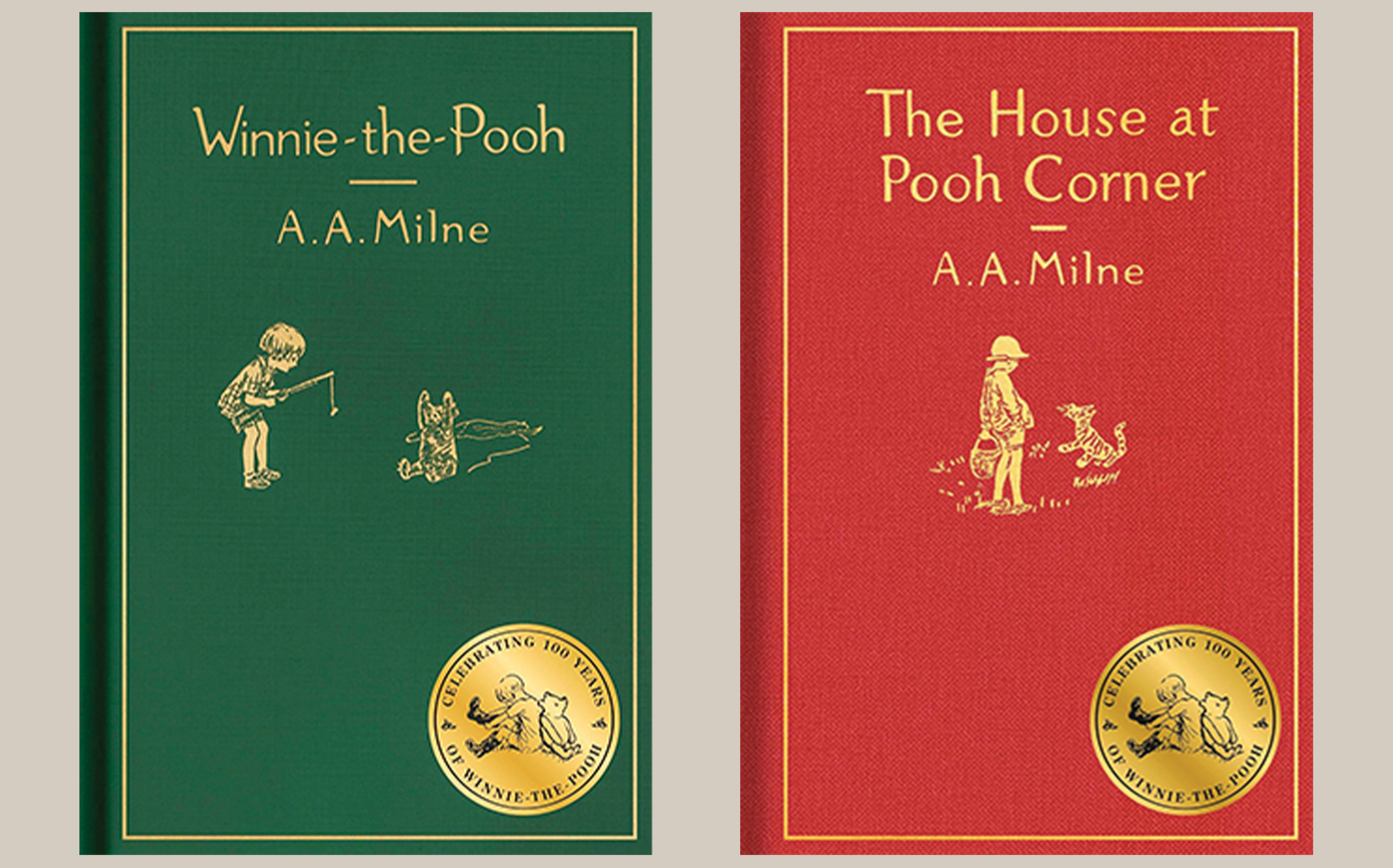
This month marks the 100th anniversary of Milne’s release of Winnie-the-Pooh, which was followed two years later by The House at Pooh Corner. In the years since, the books—including Milne’s two poetry volumes When We Were Very Young (1924) and Now We Are Six (1927)—have sold millions of copies and been translated into more than 50 languages. Thus, it is a fitting time to revisit these classic children’s books and experience anew the delightful characters found among their pages.
From the first chapter of Winnie-the-Pooh, readers quickly observe that despite the scrapes and misadventures that Pooh and his friends continually find themselves in, they can always count on Christopher Robin to be there for them. Milne cast each of his characters with a different personality: Pooh is lovable and optimistic, while Piglet is timid and anxious. Rabbit tends toward bossiness, while Owl pretends to be wise. Morose and pessimistic Eeyore contrasts with the energetic and happy-go-lucky Tigger, and Kanga and Roo reflect the bond between mother and child. But despite their differences and their foibles, Christopher Robin loves them all unconditionally and models how to bear with one another in love—especially in situations caused by foolishness or folly.
The timelessness of Milne’s stories is rooted in how they reflect childlike wonder and innocence. Unlike many books published today for children, Milne’s writing is wonderfully devoid of messages and agendas. Instead, he offers rambling—albeit at times endearingly absurd—stories about getting stuck in a tight spot, undertaking “expotitions,” and floating through a flood in an umbrella. Milne, it would appear, set out to simply craft a story for story’s sake, and the result was a collection of adventures in the Hundred Acre Wood that continue to delight the imaginations of young and old readers alike.
At the end of The House at Pooh Corner, Pooh and his friends are coming to terms with the news that Christopher Robin will no longer be able “to do Nothing any more” because he has begun attending school. A pensive Christopher Robin asks Pooh to promise to never forget him, not even when he is 100. Pooh, of course, obliges—and so can we for him. Happy birthday, silly old bear!

Please wait while we load the latest comments...
Comments
Please register, subscribe, or log in to comment on this article.