
Ross Fire spreads across 85K acres in north Texas
Flames from the Ross fire burn brush, Tuesday, Aug. 25, 2026, near Palo Pinto, Texas. Elías Valverde II/The Dallas Morning News via AP
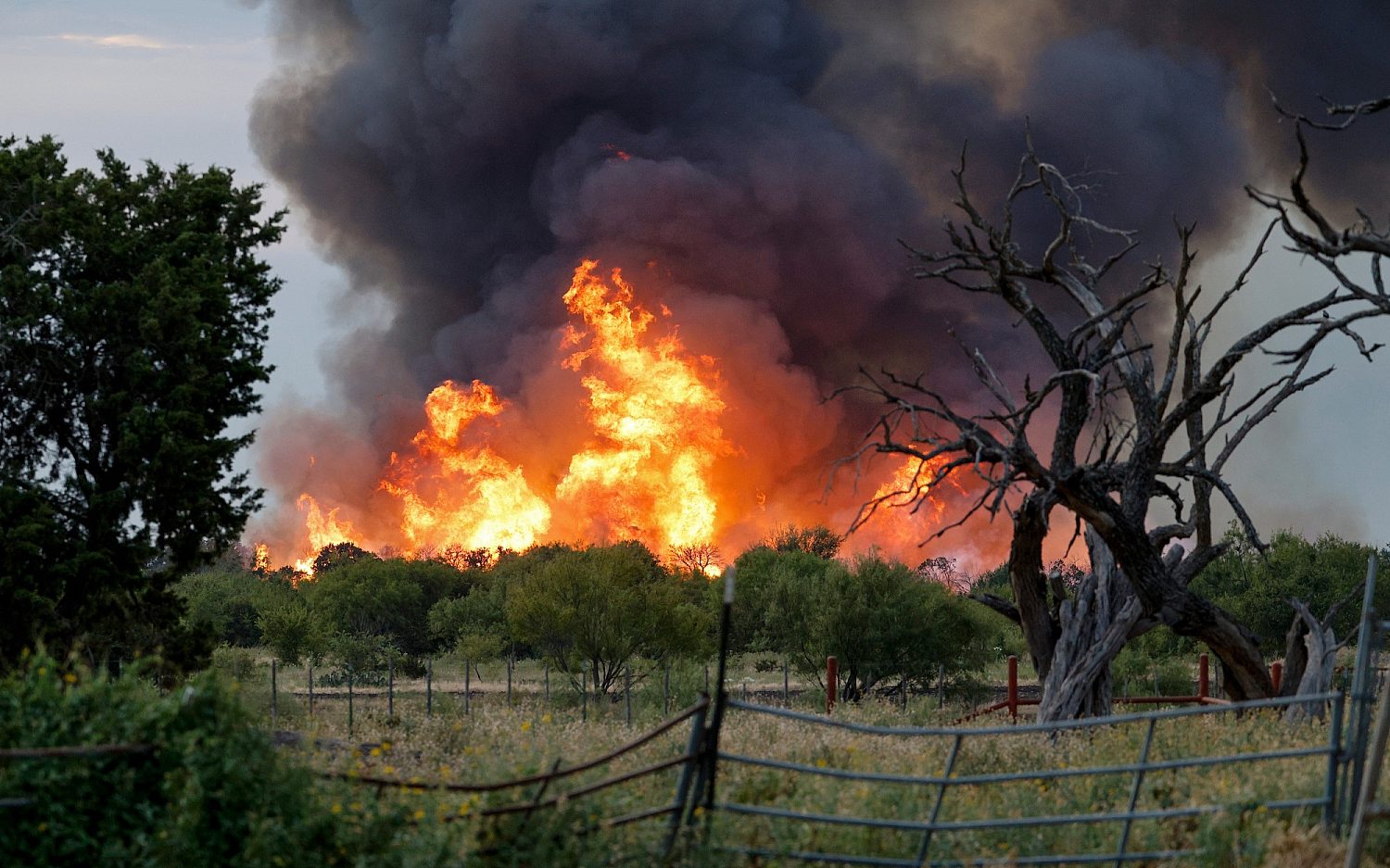
The National Weather Service identified the Ross wildfire in northern Texas as the second-largest wildfire in the state’s history, after it spread over 85,000 acres by Thursday.
The fire grew rapidly since it began on Monday, covering acreage just west of Fort Worth in northern Texas. Crews contained roughly 26% of the fire’s 85,003-acre spread, the Texas A&M Forest Service told WORLD Friday morning. Fire containment crews worked to create dozer lines to block the fire from spreading, alongside air support, Texas A&M Forest Service Operation Section Chief Boe Adler reported Friday. Teams worked to keep the fire from spreading to the town of Palo Pinto, west of Fort Worth, he added. Residents from roughly 630 homes in the area evacuated on Monday and Tuesday, while local officials encouraged ranchers to relocate their livestock.
Palo Pinto County Judge Shane Long declared a state of local disaster on Tuesday, and Gov. Greg Abbott announced that a federal Fire Management Assistance Grant had been approved for the affected counties. Long told reporters five county structures were lost in the fire, local news organization The Fort Worth Report said on Thursday. Livestock and wildlife deaths had also been reported, although estimates were still uncertain, Long said.
Historic Worth Ranch Scout Camp, north of Palo Pinto, shared images of what it characterized as catastrophic damage after the fire ravaged over 50,000 acres in under 24 hours. Texas officials placed the Dallas-Fort Worth area under an air quality alert, warning citizens that the air was unhealthy for groups including asthmatics, the elderly, and children. Officials expected the smoke to spread south and warned citizens to drive cautiously due to reduced visibility.
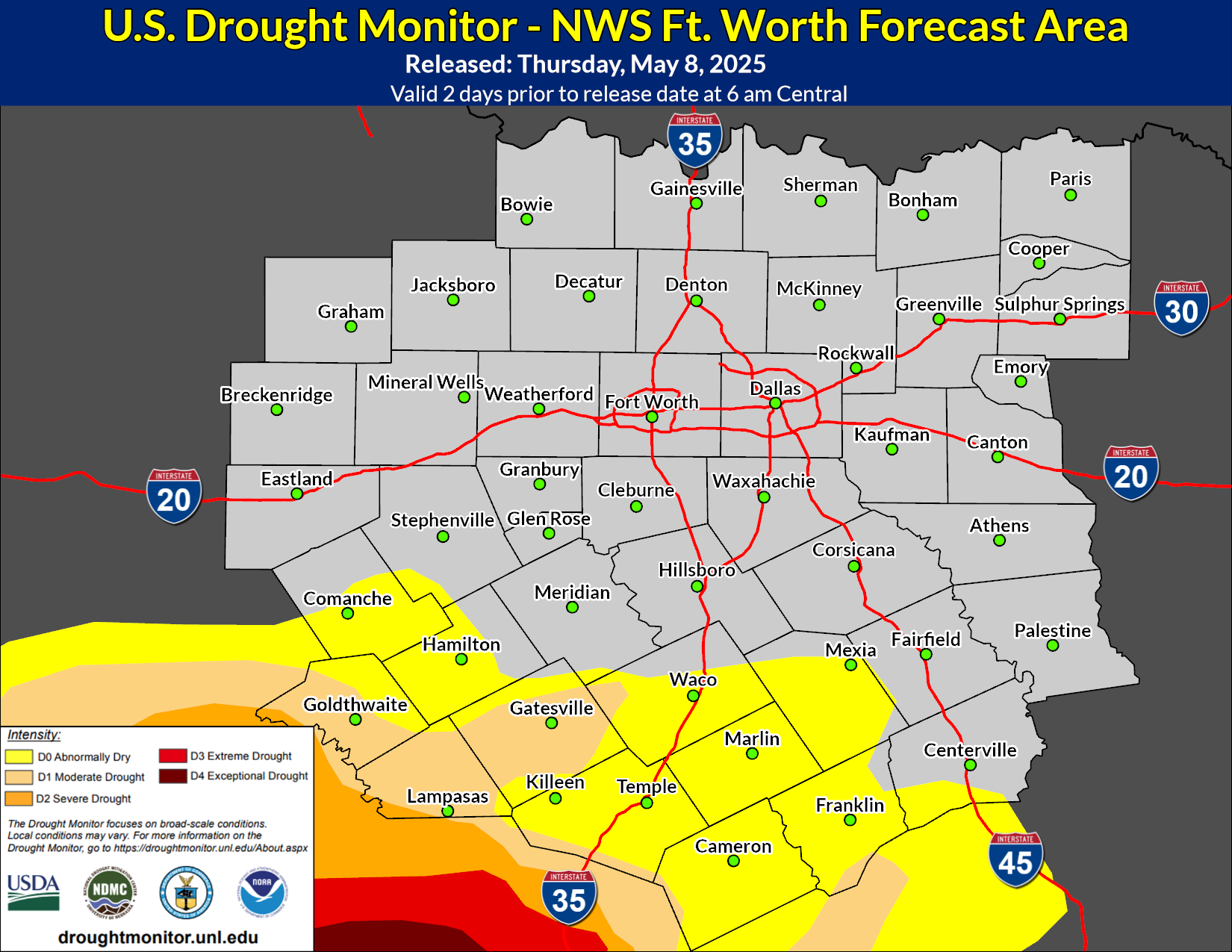
Why is the fire spreading so quickly? The NWS said the state’s worsening drought conditions contributed to the fire. The Fort Worth area received less than 0.6 inches of rain in the past 30 days, with temperatures consistently above 104ºF, according to weather reports. The high temperatures peaked at 110ºF, with a highest “feels-like” temperature of 120ºF, according to the weather service. A NWS drought map placed areas near the fire in severe and moderate drought conditions, with areas north of the fire site in extreme or exceptional drought conditions. Between the low precipitation and the high-pressure system remaining over the state, the grass and trees had reached critically dry levels, the Texas A&M Forest Service shared with WORLD. Drier fuels allow the fire to be more active while requiring less wind to move, and though increased humidity was expected soon, it wouldn’t be enough to change the dryness or put out the fire, they added.


An actual newsletter worth subscribing to instead of just a collection of links. —Adam
Sign up to receive The Sift email newsletter each weekday morning for the latest headlines from WORLD’s breaking news team.


Please wait while we load the latest comments...
Comments
Please register, subscribe, or log in to comment on this article.