
What still counts
A VA clinic closure puts budget math up against one veteran’s continuity of care. Vietnam vet Bill Frank, suffering stage 4 prostate cancer, is losing a trusted doctor and starting over as the agency looks to save money. WORLD’s Theresa Houghton reports.
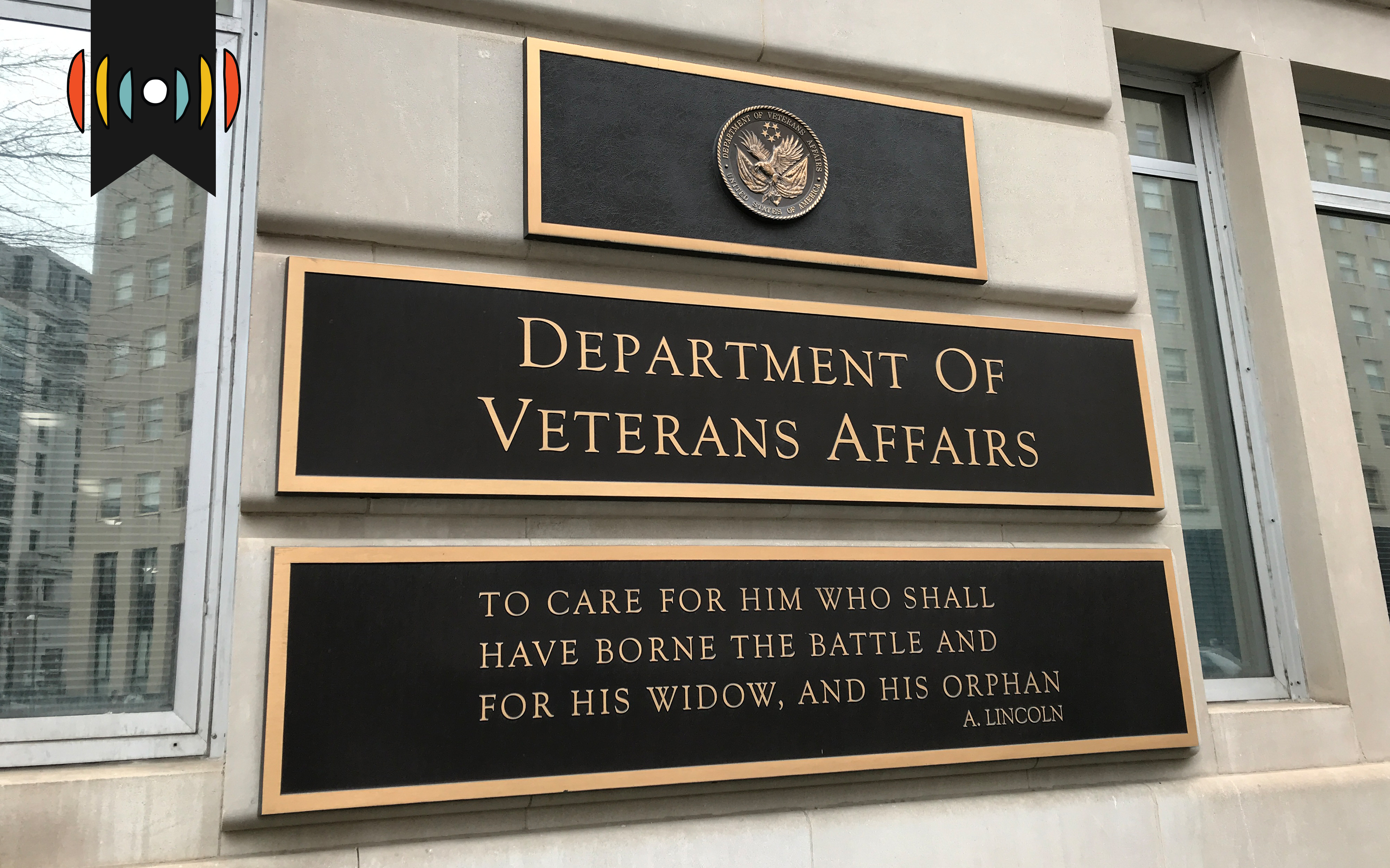
United States Department of Veterans Affairs Westy72 / iStock / Getty Images Plus via Getty Images
Editor's note: The following text is a transcript of a podcast story. To listen to the story, click on the arrow beneath the headline above.
MYRNA BROWN, HOST: Today is Thursday, August 27th.
Thank you for turning to WORLD Radio to help start your day.
Good morning. I’m Myrna Brown.
MARY REICHARD, HOST: And I’m Mary Reichard.
Coming next on The World and Everything in It: The cost of federal belt-tightening.
Across the country, the Department of Veterans Affairs has been consolidating healthcare services and closing smaller outpatient clinics to trim budgets. But for the veterans relying on those neighborhood clinics, the math doesn’t always add up.
BROWN: WORLD’s Theresa Houghton brings us the story of one veteran caught in the middle of a national shift.
THERESA HOUGHTON: Bill Frank spent 1971 in Vietnam, serving as a finance officer for the United States Army. His mission? Making sure new recruits and soldiers got paid.
FRANK: I was a disbursing officer at Cam Ranh Bay, and I had a vault of $6 million in currency…
He spent his time counting, transporting, and distributing money.
FRANK: A brick of 20s is about 200,000. So all you have to do is count, you know, okay, you still have those five bricks, that’s a million bucks, you know what that was equal to today? About $45 million.
He saw currency rather than combat, but Frank’s time in the military exposed him to one of the war’s most insidious dangers.
FRANK: That’s another thing with veterans who were over in Vietnam, because they sprayed that so much all over the place, that we were all exposed to Agent Orange.
Agent Orange is a blend of tactical herbicides the U.S. military sprayed around bases to remove dense foliage enemy troops might use for cover. Exposure has been linked to several health problems, including various cancers. Frank got screenings as part of his annual physicals.
FRANK: I had always gotten a PSA test once a year. When I came in after I had turned 75, they tested me, and the reading was 23, which was like through the roof. …
The VA diagnosed him with stage 4 prostate cancer and awarded him 100% disability. That meant access to a full range of services, mostly delivered by a small, dependable clinic right up the street from his home in Schenectady, New York.
FRANK: I take blood pressure medication, so they check that. I guess you could say I’m being treated for it.
At the clinic, Frank sees his primary care physician for annual checkups and regular pressure monitoring. He also gets bloodwork done before seeing his oncologist at the main VA hospital in Albany. But in March, Frank and approximately 1,500 other local veterans got a letter announcing the clinic is closing its doors at the end of this month.
The closing is part of a wider national trend prompted by recent federal reviews and cuts. The VA claims they’re closing clinics due to factors like poor performance, declining veteran populations, and high costs. Closing Frank’s clinic, for example, will save the VA $1.5 million per year.
The Schenectady location is known as a community-based outpatient clinic and costs around $174,000 per month to run — double what it cost five years ago. Putting a new contract in place to keep it running could cost up to $13 million. Projections show a nearly 50% decline in the city’s veteran population over the next 20 years. So for the VA, the numbers just don’t add up.
But for veterans like Frank, the closing feels personal.
FRANK: It’s like anybody in civilian life, if they were going to a doctor that they really cared for and had, you know, success and everything, and all of a sudden the government says, “Sorry, but you can’t use that doctor anymore,” that would bother them. And it bothers me a lot. I’m gonna have to start all over with a new primary care.
The VA says it will be hiring new care teams at one nearby clinic, but Frank knows other veterans who are worried about transportation, long wait times, and overwhelmed staff.
FRANK: It’s my understanding that they’re not hiring new doctors, new nurses at the VA hospital, and that’s one of the choices that the veterans have. So if they do choose to go to the VA hospital, those doctors and nurses are gonna have a workload increase, and they’re gonna be impacted, but they can’t get any relief.
Despite his misgivings, Frank plans to switch his care to the Albany VA. But for now…
FRANK: I’m holding out. I just wanna see if there’s any success in attempts to back off their position. But I don’t see any of that happening, honestly.
A half-century after he served his country by counting money, Frank is waiting to see if budget cuts will mean he can still count on the VA to keep serving him.
Reporting for WORLD, I’m Theresa Houghton in Schenectady, New York.
WORLD Radio transcripts are created on a rush deadline. This text may not be in its final form and may be updated or revised in the future. Accuracy and availability may vary. The authoritative record of WORLD Radio programming is the audio record.
Please wait while we load the latest comments...
Comments
Please register, subscribe, or log in to comment on this article.