
Lubo Ivanko / iStock / Getty Images Plus via Getty Images
Editor's note: The following text is a transcript of a podcast story. To listen to the story, click on the arrow beneath the headline above.
LINDSAY MAST, HOST: Coming up next on The World and Everything in It: Ready for refunds.
Last year, President Trump imposed sweeping tariffs on imports—ranging from 10 percent to more than 100 per cent on some Chinese goods.
MARY REICHARD, HOST: In February, the Supreme Court struck down many of those tariffs and mandated refunds for businesses that paid them. But some businesses say getting that money back won’t cover the full cost of the disruption.
WORLD’s Lauren Smyth has the story.
LAUREN SMYTH: Lisa McDonald knows tea. One taste and she can tell you where the leaves were grown, the weather during the growing season, and the method of preparation.
MCDONALD: You smell that? It's a smoky tea. So it tastes like, without having to smoke things or barbecue or anything, it's good.
McDonald opened TeaHaus in Ann Arbor, Michigan, nearly twenty years ago. She offers more than 200 varieties, sourced primarily from India, China, and Japan.
Business has been booming since the start. But things changed after Trump imposed sweeping tariffs under the International Emergency Economic Powers Act, or IEEPA.
Last year, she ordered a typical $30,000 shipment. A month later, she got a surprise tariff bill, for $20,000.
MCDONALD: And it says, “You must pay this within 48 hours.”
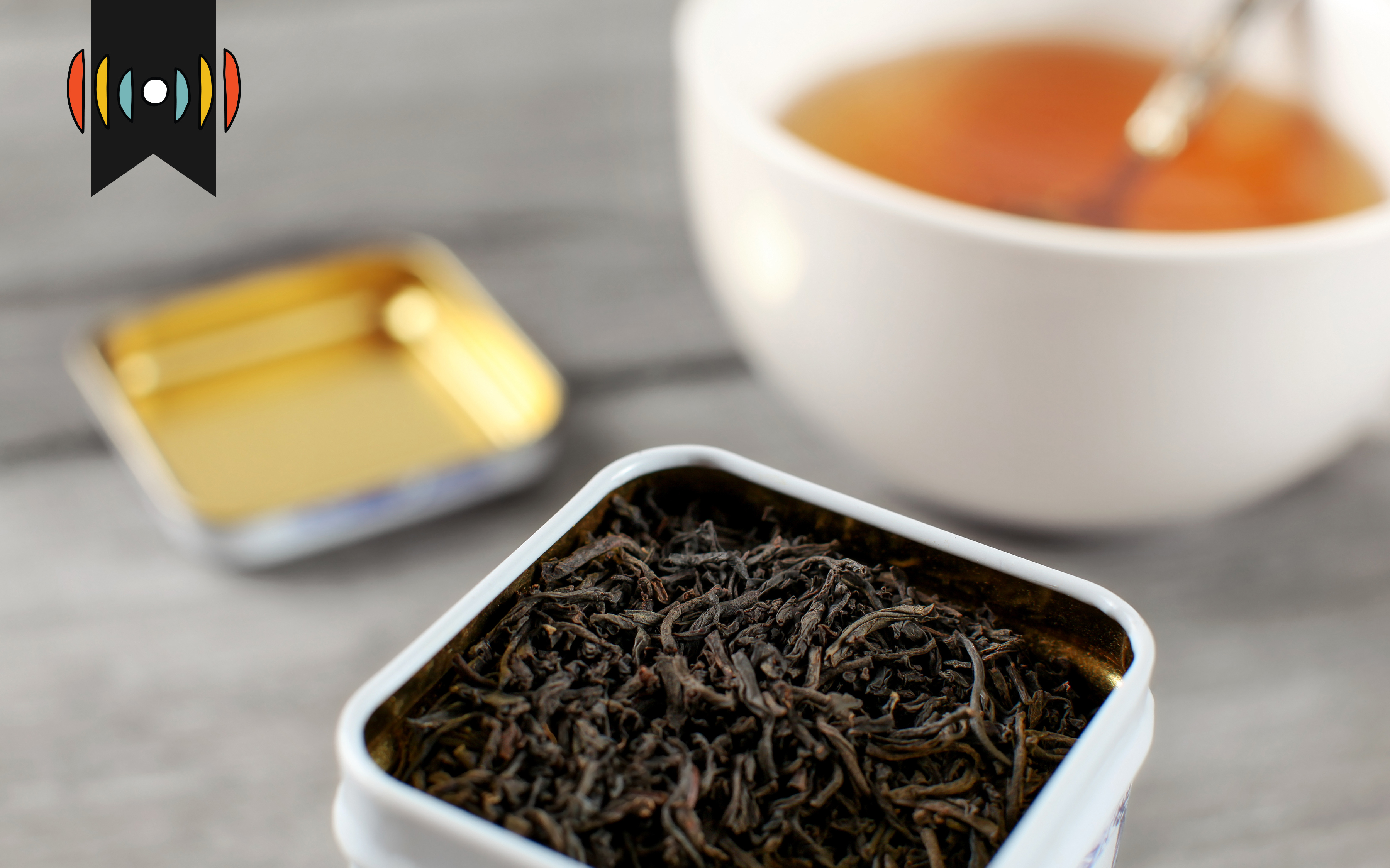
The goal of IEEPA was to protect U.S. jobs. But McDonald points out most tea isn’t grown in America anyway–so there are few American workers to protect. And the tariff policies can be confusing. For example, loose-leaf tea that arrives in tins incurs tariffs for both tea and tin.
MCDONALD: If they wanted to, they could have done the tins at 70, because if it had been Russian source metal, that's being—well, no, actually, they changed that. Two weeks ago, if it had been Russian-sourced metal, it would have been tariffed at 70%. I'm not sure what it would have been tariffed today.
The Supreme Court struck down the IEEPA tariffs in February. McDonald applied for a refund several months ago, but hasn’t heard back.
MCDONALD: I know eventually I'll get it because we're legally due that money, but it will just be filtered back in to help offset the costs of the new tariffs and the increase in shipping.
The Court decision lowered the average U.S. tariff rate by more than 70%. But other tariffs remain in place, and business owners like McDonald find the policies can be unclear and enforcement irregular.
New shipment problems have also emerged. She ordered a shipment of matcha in May that just arrived last Friday.
MCDONALD: It left Japan. In that time, the customs code changed for green tea and also the tin that the tea was in. So the tea hit the U.S. soil, and it took three months for me to actually get it released because it was sent to three different customs locations because no one knew what customs code to use.
Even with lowered tariffs, McDonald’s costs are still higher than before. But raising prices has its challenges.
MCDONALD: It’s not as simple as just raising the prices 10%. We custom make our labels, we custom make our stickers, we custom make—so the time and effort it takes to raise those prices 10% probably costs me more than the 10% I would make up in raising my prices.
Studies estimate that about 20% of the tariff burden gets passed along to consumers through higher costs and smaller supply. Coupled with inflation, many people have cut spending on luxury goods, like loose-leaf tea.
MCDONALD: I'm just very lucky that my customer base has supported me, and I do believe that moving forward, I will probably have to raise my prices.
A survey from the Atlanta Fed found that most businesses plan to hold onto the tariff refunds as cash. McDonald plans to use hers for future tariff bills, though she won’t know how much she’ll owe until it comes in the mail.
MCDONALD: You just assume at least a 15% blanket, and then hope that they don't open every single bag.
For McDonald, TeaHaus is about community, not costs. Her son’s proprietary brew is still on the menu from when he was a child. She offers free meals to those in need, and she takes pride in brewing a delicious cup.
MCDONALD: I’m going to have you put a little more water because you want that water to go. See how the tea is touching, but the water's not?
Still, the cost calculations of operating a small import business have changed.
MCDONALD: Tariffs were more—it's that pit-in-your stomach kind of feeling, and I hadn't had that since COVID.
The final round of tariff refunds will be processed in early October. Revenue from the illegal tariffs totaled about $168 billion, spread across more than 330,000 importers. McDonald is waiting for her $50,000.
For WORLD, I’m Lauren Smyth in Ann Arbor, Michigan.
WORLD Radio transcripts are created on a rush deadline. This text may not be in its final form and may be updated or revised in the future. Accuracy and availability may vary. The authoritative record of WORLD Radio programming is the audio record.
Please wait while we load the latest comments...
Comments
Please register, subscribe, or log in to comment on this article.