
Why I will quietly decline
Cancer brings clarity, and I will not take up New York’s offer to hasten death
SeventyFour / iStock / Getty Images Plus via Getty Images
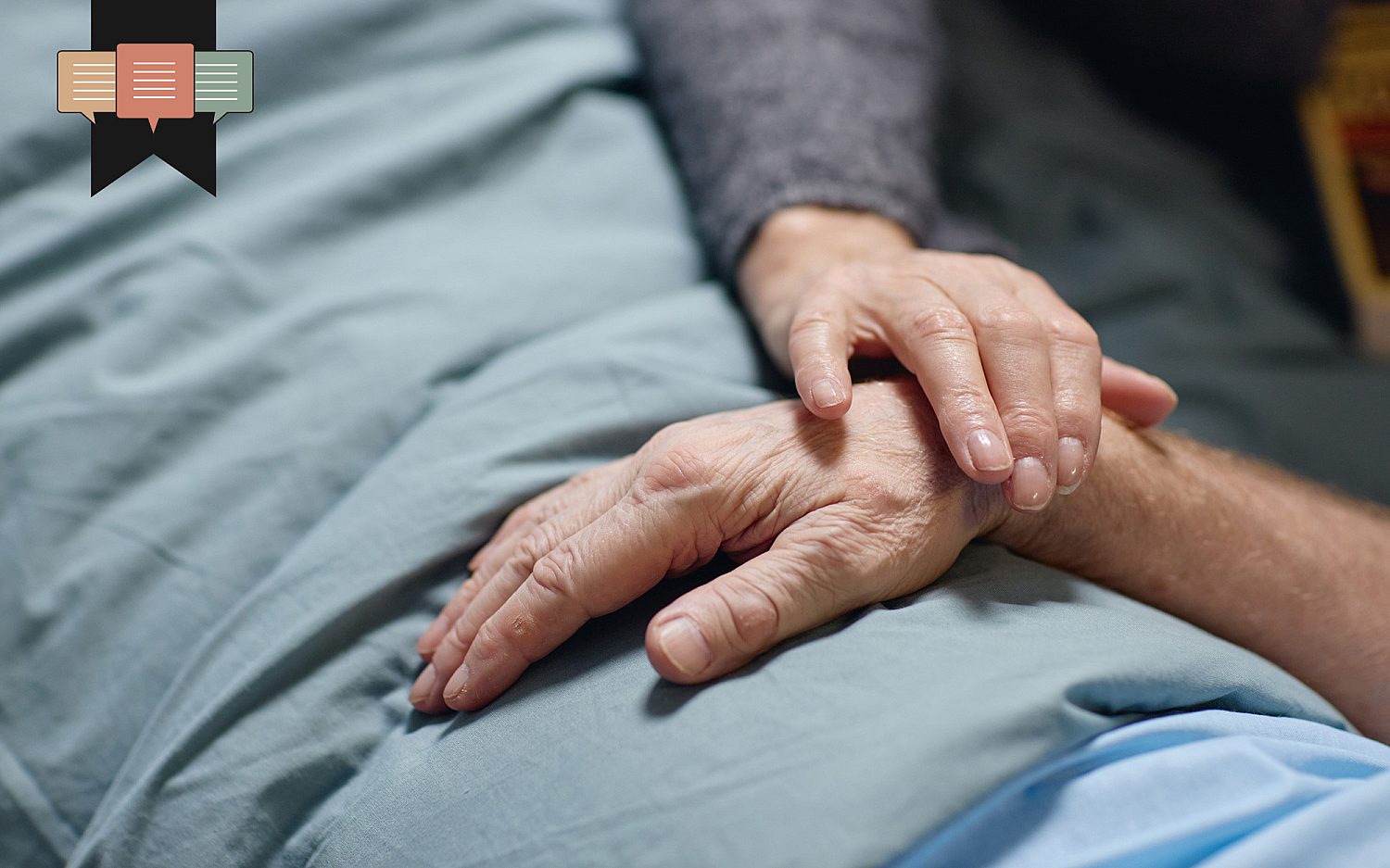
On Aug. 5, New York’s Medical Aid in Dying Act took effect, allowing certain terminally ill patients to obtain medication intended to end their lives.
We are now beginning to see what that means in practice. The New York Sun reports that up to 20 terminally ill New Yorkers may have already died under the law in its first month, according to a physician involved in the program.
I am one of the New Yorkers for whom that law is no abstraction.
In January, I was diagnosed with Stage IV colorectal cancer that had spread throughout my abdomen and, later, to my liver. Without treatment, my prognosis was measured in months, not years. I underwent surgery and began chemotherapy.
The months since have not gone as I hoped.
My cancer has progressed. I have been hospitalized twice since June for bowel obstructions, and my treatment options have become increasingly limited. Last month, I reached a point I never expected to reach so soon: I was preparing to enter hospice.
Then one doctor offered another option: surgery.
It was not a promise. It was not a cure. It was another chance.
And another chance meant a great deal to me.
My prognosis places me among those eligible under New York’s assisted-suicide law. After spending more than a decade opposing the law in Albany, I now understand this debate in a way I never wanted to.
Strangely, as death has drawn nearer, I find myself thinking less about dying and more about life.
Cancer brings clarity.
Given the choice, I would rather spend a quiet morning on my deck, with the sun warming my face and a cup of hot coffee in hand, than spend another day in a hospital. I would rather hear my wife’s voice than the alarms in another hospital room. I would rather talk with my children about their lives than talk with another doctor about mine.
Things that once seemed ordinary have grown precious. A normal day is no small gift.
Cancer has also taught me about suffering.
I do not romanticize it. There is nothing beautiful about pain, exhaustion, bowel obstructions, hospital stays, or frightening conversations with physicians. I have earnestly prayed for healing and asked God for more years—many more, if He is willing.
But my Christian faith has never promised me a life free from suffering. It has given me something better: the assurance that suffering need not be meaningless.
It is one thing to speak of trusting God when the future seems secure. It is another when you are preparing for hospice one day and considering risky surgery the next.
Faith is not certainty about what will happen next. It is confidence in the One who will be there when it does.
Cancer has also confronted me with the limits of autonomy.
Our culture prizes control—over our bodies, our circumstances, and, increasingly, the timing and manner of our deaths. I understand the appeal better than I once did.
There is very little about advanced cancer that feels within my control. I cannot command my cancer to stop growing. I cannot guarantee that treatment will succeed. I cannot guarantee tomorrow.
But losing control has not meant losing dignity.
Dependence is not indignity. Weakness does not erase purpose.
My worth does not rise when I am strong or diminish when I am sick. It is not measured by what I produce, how independently I live, or by how many healthy days remain.
My life has value because God gave it to me. And a gift does not cease to be a gift merely because it becomes difficult to carry.
I don't know where this road will lead. Perhaps treatment will give me more time. Perhaps my earthly life is much closer to its end than I want it to be.
I have learned not to pretend I know.
Eventually, death will come for me, as it does for everyone. My Christian faith helps me face that truth without believing I must control when it comes. Death will not have the final word.
New York now offers people in circumstances like mine the ability to hasten that day. According to the Sun’s reporting, some New Yorkers have already made that choice.
I understand why control can feel like compassion when so much else has been taken from you. But I have discovered something I value more than control: trust, hope, and purpose.
Not long ago, I thought I was headed for hospice. Then another possibility emerged.
Tomorrow belongs to God.
So, when New York offers me the opportunity to hasten death, I will quietly decline.
And if tomorrow comes, I will receive it as the gift it is.


These daily articles have become part of my steady diet. —Barbara
Sign up to receive the WORLD Opinions email newsletter each weekday for sound commentary from trusted voices.Read the Latest from WORLD Opinions
Thaddeus Williams | America’s “existential crisis of meaning” is similar to the Babylonian king’s crisis, and the solution is the same, too

A.S. Ibrahim | In pointing to the attitudes of Muslim immigrants, Trump says what Europe’s leaders still won’t

Colin J. Smothers | The liberal religion of Senate candidate Adam Hamilton

Denny Burk | A recent article on Elisabeth Elliot is way over that line

Please wait while we load the latest comments...
Comments
Please register, subscribe, or log in to comment on this article.