
What hath Rome to do with Washington?
The clash between the pope and the president is truly important
Full access isn’t far.
We can’t release more of our sound journalism without a subscription, but we can make it easy for you to come aboard.
Get started for as low as $3.99 per month.
Current WORLD subscribers can log in to access content. Just go to "SIGN IN" at the top right.
LET'S GOAlready a member? Sign in.
The president and the pope are fighting—or at least lobbing statements. Recently, Pope Leo XIV has declared clear criticisms of America’s military actions in Iran. President Trump responded online in characteristic fashion, giving a scathing assessment of the pope’s views not only on Iran but on prior statements related to issues such as immigration.
Any response to the Trump/Leo verbal fracas requires some perspective on the relationship between the institution that is the political state and the institution that is the church. The West has had this conversation in some form since New Testament times. This particular manifestation—head of state versus pope, certainly has a throwback flavor to the Middle Ages, though its limitation to rhetorical criticism falls short of that period’s combinations of militaristic coercion and excommunication.
Still, the broader question remains—not just what hath Rome to do with Washington, D.C., but what has church to do with state? Some have pointed toward a view that keeps the two essentially isolated, criticizing the pope for his attacks on the Trump administration or objecting to President Trump making accusations against Pope Leo. Yet this strictly compartmentalized view proves inconsistent with Scripture and incoherent for human life.
A better perspective should begin from what they hold in common. Both share the same originator: God. Paul famously states in Romans 13 that God institutes political authorities. The church, too, has a divine founding, both in the Old Testament calling and ordering of God’s people as well as the New Testament command of Jesus Christ to His Apostles. From this common origin, both state and church serve as God’s ministers. In Romans 13, Paul uses the same word—ministers—for political rulers as he sometimes does for those called to lead in the church. Thus, both pope and president ultimately serve God in their respective offices.
These common origins and roles then require some common purpose. As God’s servants, both President Trump and Pope Leo have a moral requirement to fulfill the ends of their institutions that God ordained for them. We may summarize those ends in a common manner as well. Both institutions seek the glory of God and the good of human beings.
At the same time, real and important differences exist between state and church. First, they have distinct emphases in the standards for their actions. For the state, the standard of conduct on which it most focuses is the moral or the natural law—those precepts imprinted on human beings by nature. The church is more directly focused on Scripture as its standard. However, that is more a point of emphasis than air-tight distinction. The moral Law and the teachings of Scripture have a legitimate role in both realms. Scripture, for example, includes the restatement, reinforcement, and clarification of the moral law.
Second, the church and the state do have distinguishable aims in fulfilling their purpose. The state primarily focuses on glorifying God and the good of men in outward actions. In seeking God’s glory and man’s good, the visible church primarily focuses on spreading and nurturing the invisible church—on being God’s principal means of bringing people to faith in Christ. This distinction is not air-tight, either. The state, in pursuing outward obedience, should seek to persuade and habituate persons not just to do the good but to love the good. The visible church calls out against sinful actions, directed toward the sanctification of the body of Christ.
Third, state and church wield different weapons in pursuing their God-given purposes. God gives the State the physical sword, meaning the legitimate capacity to threaten and use coercive force to enlist obedience to its laws. The church has the tools of Word, sacrament, and discipline. It seeks its ends through the gospel read and preached, baptizing and administering the Lord’s Supper, and disciplining believers. The state may not use the spiritual tools of the church; nor may the church wield the physical sword of the state.
These principles help us assess the recent interaction between presidency and papacy. Given the distinctions in the institutions, one should not control the other. Still, due to the commonality of content, state and church not only can but should speak to each other. The church can praise the state or call it to reform. The prophet Nathan confronted King David about his sin. John the Baptist lost his liberty, then his life by criticizing King Herod. Likewise, the state can and has responded to churchly criticism by making its own defense as well as calling out the church where it errs, as it sometimes does.
Thus, this back-and-forth between Rome and Washington is familiar from church history. If conducted thoughtfully, it even can be beneficial. We should seek better communication rather than none. Getting this right can direct both toward their proper goals: God’s glory and man’s good.


These daily articles have become part of my steady diet. —Barbara
Sign up to receive the WORLD Opinions email newsletter each weekday for sound commentary from trusted voices.Read the Latest from WORLD Opinions
Ericka Andersen | Writer turns linguistic and ideological cartwheels to make the case that a woman can be “a little bit pregnant”

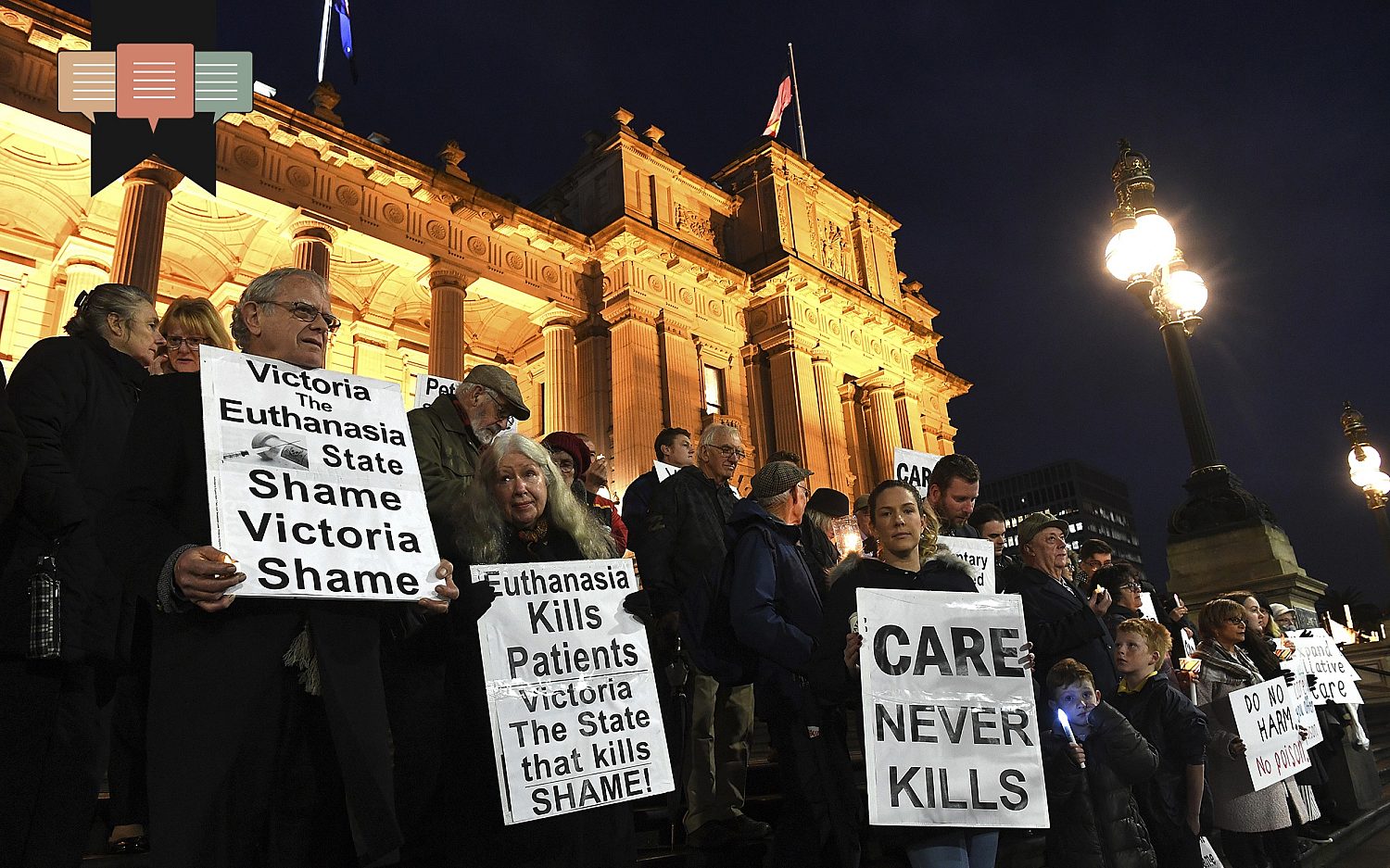
David Closson | Safeguards fall away as assisted suicide expands in Australia and Canada
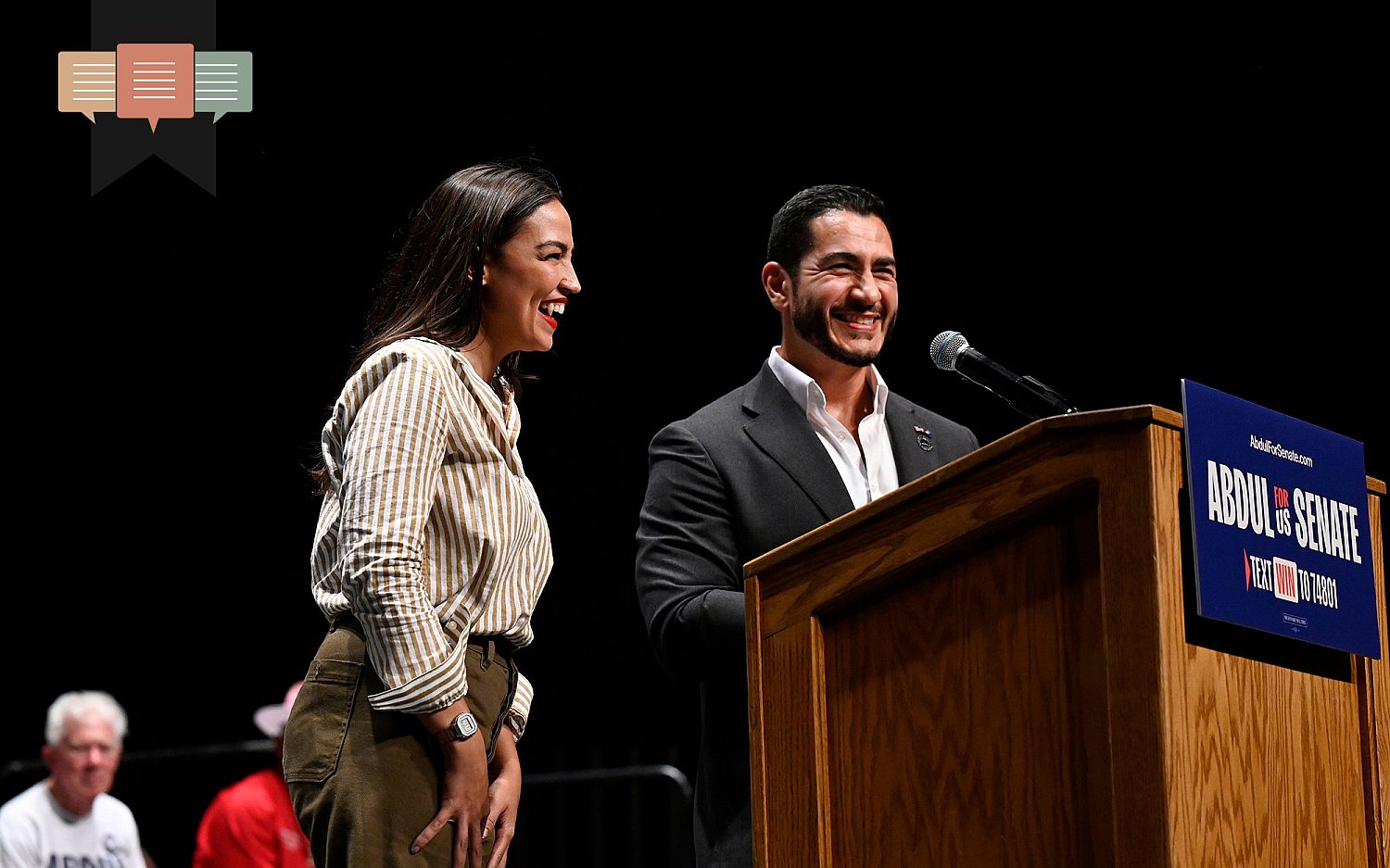
Eric Patterson | Marx-inspired candidates say some radical things about faith, but they don’t say much about protecting fundamental liberties
Ray Hacke | A male cross country runner, his female teammates, and the need for truth and justice on Nov. 3

Please wait while we load the latest comments...
Comments
Please register, subscribe, or log in to comment on this article.