
The battle for life continues
An Ohio legislator’s fight for a counter-culture of life
Full access isn’t far.
We can’t release more of our sound journalism without a subscription, but we can make it easy for you to come aboard.
Get started for as low as $3.99 per month.
Current WORLD subscribers can log in to access content. Just go to "SIGN IN" at the top right.
LET'S GOAlready a member? Sign in.
We inhabit a culture of death. Just to our North, assisted suicide in Canada, known as MAID or medical assistance in dying, euthanizes more and more vulnerable human beings. Across the pond, Great Britain is on the verge of passing a law permitting abortion essentially up to birth. Within our own borders, the pushback to overturning Roe v. Wade has greatly strengthened pro-abortion advocates. Deaths of despair also continue annually at an alarming pace.
We desperately need an entirely different culture—one that values life. One green shoot has sprung up in the state of Ohio. There, Republican state legislator Jean Schmidt recently introduced House Bill 754. If passed into law, this legislation would require medical professionals to put on file a “certificate of life” within ten days of detecting a fetus’s heartbeat (Ohio already mandates certificates of life for those children at or above twenty weeks’ gestation). It also would mandate registration of an unborn child’s death at the local office where deaths are recorded, regardless of how early in the pregnancy the child passed away. These registration requirements for death also would include those lives ended through abortion.
If passed, this law would do much good. We do not live in isolation, either as individuals or even as families. Nor were we meant to live in that fashion. Instead, God created us to live in community—families building into neighborhoods and eventually into political communities. Our membership and participation in our communities does much to form, sustain, and grow us as human beings. Important to our membership and participation is the recognition of our existence and of our belonging.
This bill, if made law, would give public recognition to the unborn. It would affirm in legal fashion who they by nature are: living human beings. The certificates of life could be an act of celebration with the parents for the new human being brought into the world, the new citizen of our country, the new neighbor in our local community.
This bill, if made law, would also recognize what happens when a pregnancy ends. This point is no small matter. Around one in four recognized pregnancies result in pregnancy loss. I can speak from experience about the suffering families face when a miscarriage occurs. The suffering can be too quiet and thus intensely lonely. Moreover, the condolences expressed too often can unintentionally pour salt on the wounds. Others can express how the parents can try for more children and thus not all hope is lost. Yet more children in the future does not cancel out the loss of a child now. For that child still will be lost, always will be lost, always will be missed.
The registration requirement would publicly declare what had happened, that a human life had ended. Thus, the registration would publicly say that the mothers and fathers had lost a precious child. It would be a way for the community coming around them to affirm the parents’ grief. It would be a way, among others, for the child to be remembered.
Moreover, as noted before, these death registrations would include those pregnancies ended through abortion. No wonder abortion advocates are twisting the bill’s meaning to attack it. A deputy director for the group Abortion Forward characterized this bill as forcing “individuals facing miscarriages and stillbirths to handle bureaucratic paperwork while dealing with their pregnancy loss.” How cold (and predictable) that an abortion advocate would try to redefine recognition and respect for life as “bureaucratic paperwork.” The real problem in this bill for abortion advocates and such organizations is the public recognition of unborn human life. The problem lay in telling parents and the rest of society that a human being lived and died before being born. For such a fact has clear and damning implications for abortion itself. It forces us all to look at the truth, however uncomfortable.
Of course, we need so much more to combat the spiral of death enveloping our society. Still, bills like this one propose practical steps toward establishing a broader and deeper counter-culture of life. They give practical concrete ways to recognize humanity where others would deny it and to come alongside parents who mourn. May God bless such efforts.


These daily articles have become part of my steady diet. —Barbara
Sign up to receive the WORLD Opinions email newsletter each weekday for sound commentary from trusted voices.Read the Latest from WORLD Opinions
Ericka Andersen | Writer turns linguistic and ideological cartwheels to make the case that a woman can be “a little bit pregnant”

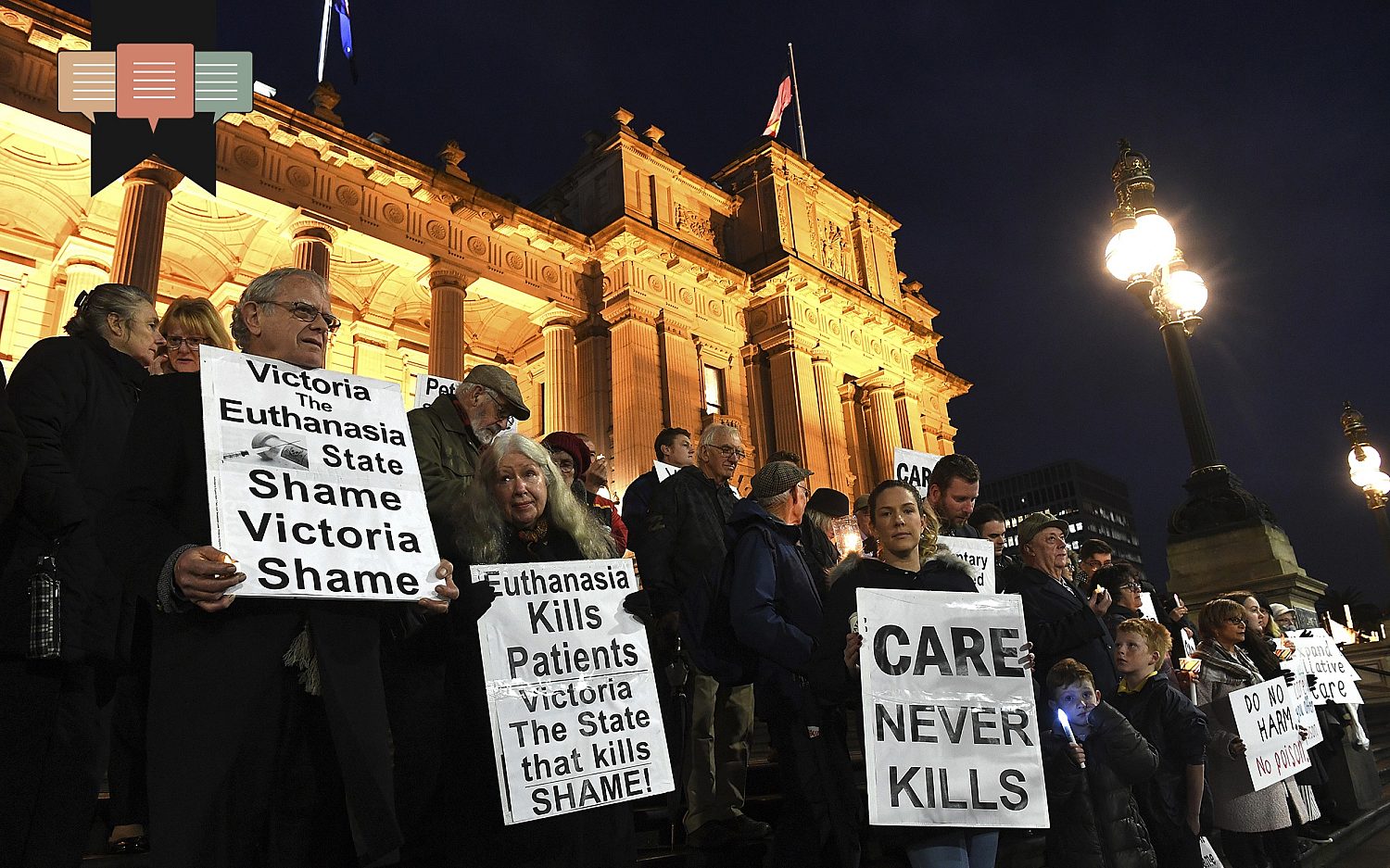
David Closson | Safeguards fall away as assisted suicide expands in Australia and Canada
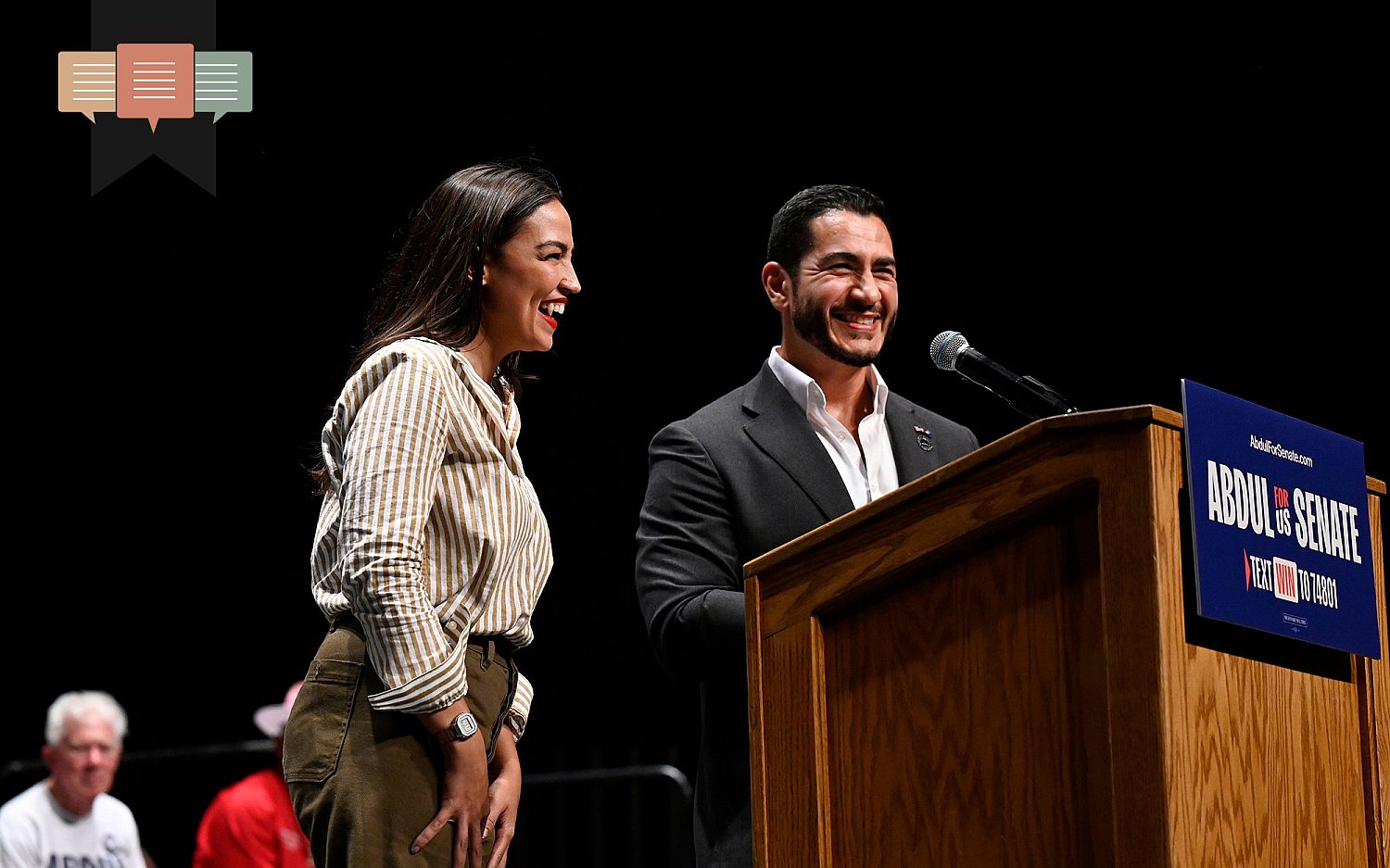
Eric Patterson | Marx-inspired candidates say some radical things about faith, but they don’t say much about protecting fundamental liberties
Ray Hacke | A male cross country runner, his female teammates, and the need for truth and justice on Nov. 3

Please wait while we load the latest comments...
Comments
Please register, subscribe, or log in to comment on this article.