
Disability, dignity, and organ transplants
A person with Down Syndrome is no less deserving of a scarce and live-saving transplant
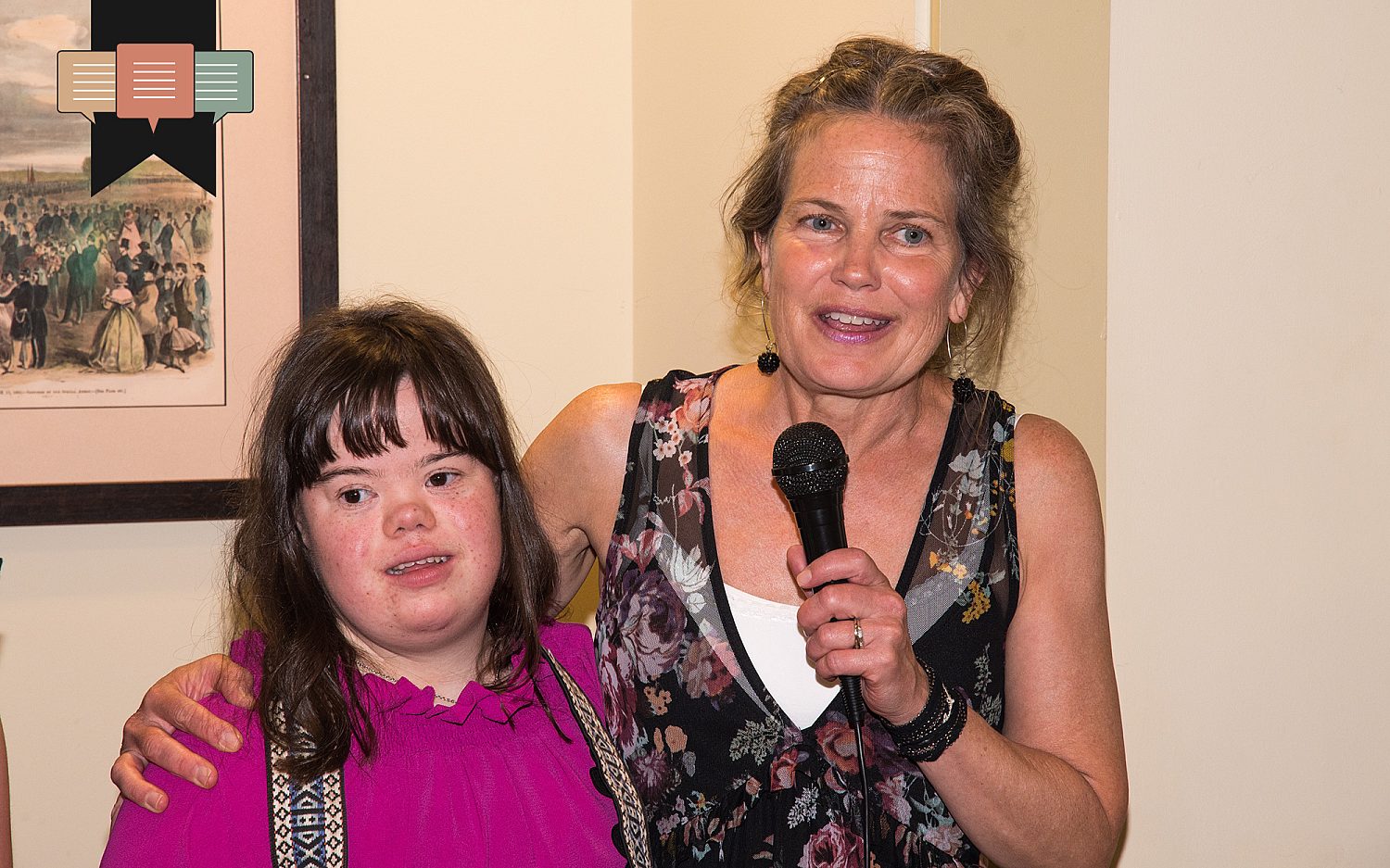
Charlotte Woodward with her mother, Darcy Ello Woodward, in June of 2018 Wikimedia Commons / Photo by Conrad222
Full access isn’t far.
We can’t release more of our sound journalism without a subscription, but we can make it easy for you to come aboard.
Get started for as low as $3.99 per month.
Current WORLD subscribers can log in to access content. Just go to "SIGN IN" at the top right.
LET'S GOAlready a member? Sign in.
The lives of people with disabilities are on the line, and the U.S. Senate currently holds the power and responsibility to protect them.
The Charlotte Woodward Organ Transplant Discrimination Prevention Act has already passed the House and cleared a Senate committee unanimously. This act has the power to save valuable and vulnerable lives, and it now awaits action by the full Senate.
When thinking of protecting the lives of people with disabilities, our minds may jump immediately to abortion. And rightly so, as the proliferation of genetic testing has ended the lives of far too many babies with genetic conditions such as Down syndrome.
Yet the duty to protect the lives of people with disabilities extends far beyond birth. What happens when the life of an individual with disabilities is threatened due to a failing organ? Will that person with Down syndrome or cerebral palsy have the same shot at receiving a life-saving kidney or heart as someone without a developmental disability?
Tragically, the answer is no. Individuals with intellectual and developmental disabilities are significantly less likely to receive a life-saving transplant, or to even be considered for a transplant. Alarmingly, adults with intellectual and developmental disabilities are 62 percent less likely to receive a kidney transplant, despite comparable outcomes after transplantation.
A majority of transplant surgeons believe that moderate to profound intellectual disability is a contraindication to an organ transplant, as do many transplant programs. Put plainly: Those with the power to deny access to a transplant consider that intellectual and developmental disabilities will cause the transplant to be unsafe, unwise, or unlikely to succeed.
This disparity cannot be dismissed as merely accidental. While some may point to concerns about nonadherence to post-op requirements or lower quality of life, these concerns quickly become discriminatory when assumptions about disability replace individualized assessment. In reality, this disparity reflects a devaluing of the lives of people with disabilities. Somehow, the medical establishment has deemed them less worthy of life than people without disabilities.
The painful reality is that there are a limited number of organs available to those in desperate need. People may spend years on a wait list for a much-needed organ, while some die without ever receiving one.
With limited resources comes a crucial question: What makes a human life worth saving? Is it intellect? Productivity? The ability to communicate? Or is it simply being? The fact that one is means that they are inherently valuable, made in the image of their Creator, and therefore worthy of life.
Intellectual ability should not be a factor in determining who is eligible or even considered for these precious lifelines.
The issue is not merely theoretical. Baby Zion Sarmiento died in October 2021 after three pediatric heart transplant centers denied him a heart transplant. Though he met the medical criteria of eligibility, it seems his diagnosis of Down Syndrome may have led to his denial of a transplant, ultimately ending his life.
Not all people with Down Syndrome have been denied organ transplants. Charlotte Woodward received a life-saving heart transplant in 2012 and went on to spearhead a bill to ensure more people like her can have equal access to life-saving care.
The Charlotte Woodward Organ Transplant Discrimination Prevention Act seeks to stop this discrimination by “expressly (prohibiting) health care providers and other entities involved in matching donated organs with recipients from denying or restricting an individual’s access to organ transplants solely on the basis of the individual's disability.”
While the Act does not guarantee an individual with a disability will receive a transplant, it insists that disability cannot be a reason to deny someone a transplant.
Medical assessments must drive transplant decisions, not assumptions about disability. Policies must protect the rights of people with disabilities.
No longer should a child with Down Syndrome be denied a life-saving transplant simply because of a diagnosis.
People with disabilities should be evaluated according to the same legitimate medical criteria as everyone else—not according to assumptions about whether their lives are less valuable.
America is at a crucial juncture with a clear path forward to protect the lives of individuals with disabilities. Congress has an opportunity to affirm, in federal law, what Christians already have the theological grounds to declare: A person’s disability does not diminish the value of his or her life.
Their lives are worth saving, too.


These daily articles have become part of my steady diet. —Barbara
Sign up to receive the WORLD Opinions email newsletter each weekday for sound commentary from trusted voices.Read the Latest from WORLD Opinions
Ericka Andersen | Writer turns linguistic and ideological cartwheels to make the case that a woman can be “a little bit pregnant”

David Closson | Safeguards fall away as assisted suicide expands in Australia and Canada
Eric Patterson | Marx-inspired candidates say some radical things about faith, but they don’t say much about protecting fundamental liberties
Ray Hacke | A male cross country runner, his female teammates, and the need for truth and justice on Nov. 3

Please wait while we load the latest comments...
Comments
Please register, subscribe, or log in to comment on this article.