
Busting the ABA cartel
The Trump administration looks to take progressive ideology out of the accreditation of law schools
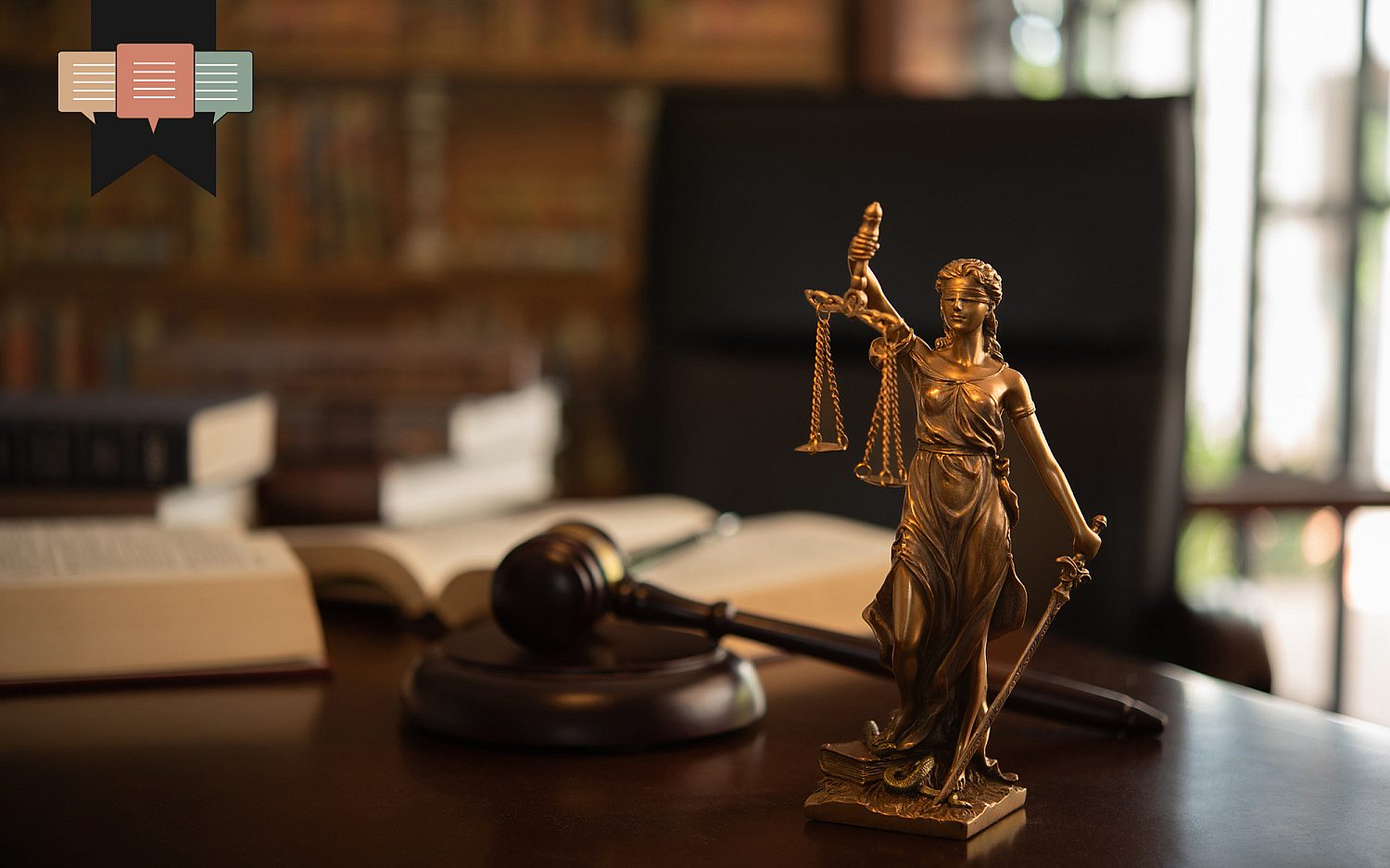
utah778 / iStock / Getty Images Plus via Getty Images
Full access isn’t far.
We can’t release more of our sound journalism without a subscription, but we can make it easy for you to come aboard.
Get started for as low as $3.99 per month.
Current WORLD subscribers can log in to access content. Just go to "SIGN IN" at the top right.
LET'S GOAlready a member? Sign in.
Since 1952, the American Bar Association has held a government-granted national monopoly on accreditation in legal education. The U.S. Department of Education recognizes the ABA, and only the ABA, as the one nonprofit organization that can accredit law schools. For standalone schools unaffiliated with a broader university, ABA accreditation is a must-have to access federal student loans.
Yet the ABA is also a terrifically liberal advocacy organization that has taken controversial positions on every issue under the sun: abortion, gay marriage, gun rights, international law. Unsurprisingly, this woke ideology seeps into all aspects of the organization, including its Council on Legal Education. For instance, the ABA required every law school to “demonstrate by concrete action a commitment to diversity and inclusion,” a mandate which was repealed several weeks ago under pressure.
The end of the ABA’s DEI demand is one more victory for the Trump Department of Education, which held a recent meeting to consider revoking the ABA’s special status as a government-authorized accreditor. Doing so will build on recent moves by the Texas and Florida Supreme Courts to end the ABA’s gatekeeping on the pathway to bar admission in those states.
At the same time, the University of Austin—an immensely innovative school founded by tech entrepreneur Joe Lonsdale—announced that it is partnering with the conservative stalwarts at The Federalist Society to launch a program of legal education as it should be. “Law school is expensive, slow, and ideologically unbalanced,” UATX explained in its announcement. “Too many students learn to criticize the founding before they learn it. Tuition rises every year. Faculties think alike. And one organization, the American Bar Association, decides who may open a law school at all. Not for long.”
I share UATX’s hope for transformation of the legal education landscape.
Law schools face many of the same challenges that pervade higher education writ large. Enrollment will likely decline alongside overall demographics—fewer children today inevitably lead to fewer college and graduate students tomorrow. Eleven ABA-accredited law schools out of the 200-or-so nationwide have shuttered in the past few years, places like Hamline, Valparaiso, and Indiana Tech. Those forces are exacerbated by the high cost of higher education in general and legal education in particular—new law grads are stacking hundreds of thousands of dollars of law school debt atop their already crushing undergrad debt load. Over the past four decades, average private law school tuition increases have outpaced inflation by 250%. In other words, inflation-adjusted average private legal tuition today should be $23,510, but, in reality, it is $59,759.
Meanwhile, legal education is woke basically across the board. The valiant efforts of the Federalist Society to seed a new generation of legal academics are bearing real fruit, but the ill-starred saga of Ilya Shapiro at Georgetown shows the real resistance any conservative or libertarian voices have joining a faculty.
I hope that ending the ABA’s monopoly on legal education is just the start of a broader rethinking of K-12 and university accreditation. Florida has been at the forefront of challenging university accreditation practices, and for good reason. Accreditors are often stuck in a status-quo mindset about what education must look like, including its ideological bent. When Florida started challenging that status quo with nontraditional teachers and practices, it reasonably feared that accreditors would reject change. Florida responded by helping launch a new accreditation commission with other southern public universities, which will give it and its neighbors greater flexibility to operate in line with their taxpayers’ values.
As President Trump has explained, accreditors “are the gatekeepers that decide which colleges and universities American students can spend the more than $100 billion in federal student loans and Pell Grants dispersed each year.” It’s important for the nation, then, that we get accreditation right. That means busting monopolies and cartels that drive up costs and reinforce woke ideology on campus.


These daily articles have become part of my steady diet. —Barbara
Sign up to receive the WORLD Opinions email newsletter each weekday for sound commentary from trusted voices.Read the Latest from WORLD Opinions
Thaddeus Williams | America’s “existential crisis of meaning” is similar to the Babylonian king’s crisis, and the solution is the same, too

A.S. Ibrahim | In pointing to the attitudes of Muslim immigrants, Trump says what Europe’s leaders still won’t

Colin J. Smothers | The liberal religion of Senate candidate Adam Hamilton

Denny Burk | A recent article on Elisabeth Elliot is way over that line

Please wait while we load the latest comments...
Comments
Please register, subscribe, or log in to comment on this article.